Key Findings
LG Sciencepark has announced that five components from its affiliates—LG Electronics, LG Innotek, and LG Energy Solution—will be launched as a secondary payload aboard a CubeSat on the fifth flight of South Korea’s Nuri rocket for in-space demonstration. This innovative approach seeks to substantially reduce development costs and timelines by re-purposing products already proven for performance and reliability on Earth, rather than developing space-grade components from scratch. The CubeSat will be deployed into a 570km Low Earth Orbit (LEO), where the operational performance and durability of each component will be tested over approximately 60 days.
Technical / Product Details
- Components: A total of five distinct components selected from LG Electronics, LG Innotek, and LG Energy Solution will be subjected to testing in the space environment. While specific component names are undisclosed, they are presumed to include electronic parts, sensors, and batteries.
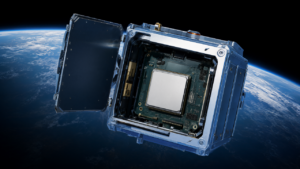
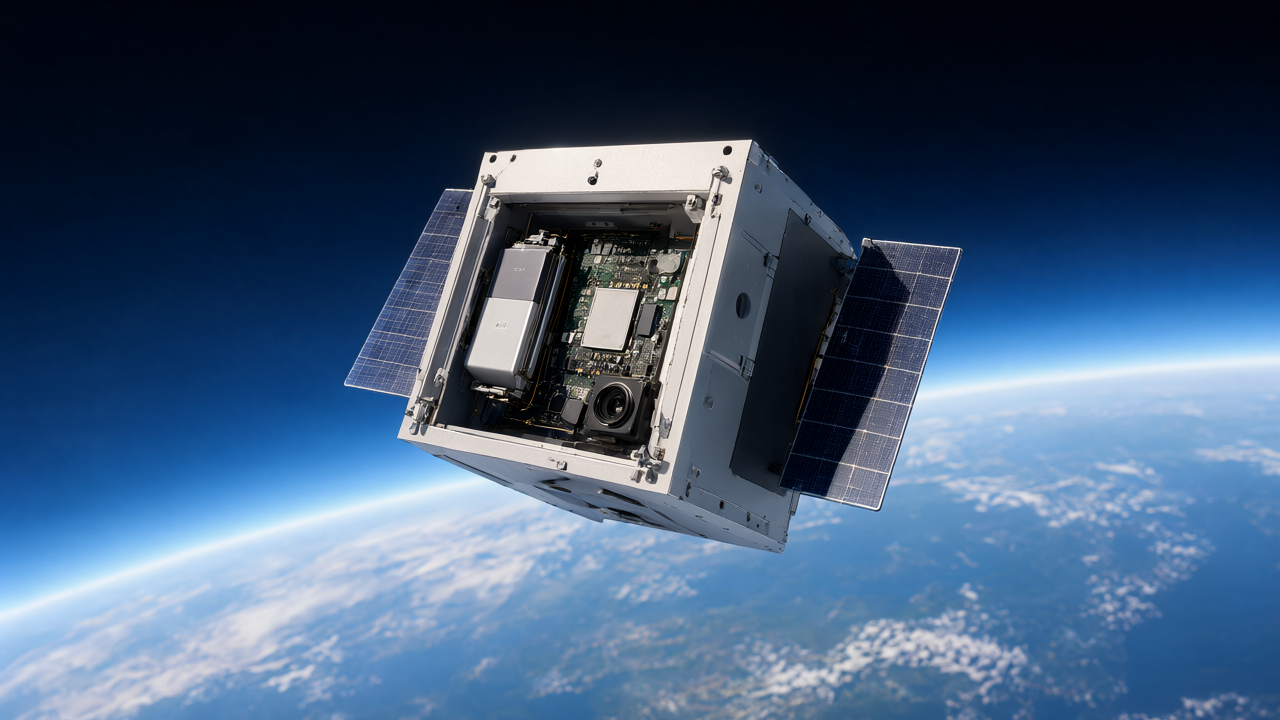
- Deployment Method: These components will be housed within a CubeSat, a small satellite launched as a secondary payload alongside the Nuri rocket’s primary mission. CubeSats are widely utilized for cost-effective and rapid in-space demonstration missions due to their standardized size and interfaces.
- Orbit and Test Duration: Following a successful Nuri rocket launch, the CubeSat will be placed into a 570km LEO. Over approximately 60 days, each component’s functionality, reliability, and durability will be meticulously tested under harsh space-specific conditions, including vacuum, radiation, and extreme temperature fluctuations.
- Development Cost and Time Reduction: The core focus of this project is the “New Space” approach of adapting commercially proven terrestrial products for space applications. This strategy has the potential to drastically shorten the multi-year development cycles and enormous R&D expenditures typically required for designing space-grade components from the ground up.
Background & Context
The space industry is currently undergoing a transformative period, often referred to as “New Space,” characterized by increased private sector involvement, reduced launch costs, and advancements in small satellite technology. Consequently, minimizing the cost and time of space system development has become a critical factor for corporate competitiveness. While securing highly reliable space-grade components remains a high-cost endeavor, there is a growing global trend towards utilizing commercially off-the-shelf (COTS) components that have a proven track record on Earth for space applications. LG affiliates’ initiative is poised to accelerate this COTS adoption trend, presenting a new component development strategy for South Korea’s space industry.
Strategic Significance & Outlook
This in-space demonstration mission by LG affiliates holds profound significance for South Korea’s space industry. Should these terrestrial-proven components exhibit sufficient performance and reliability in the space environment, it would pave the way for procuring components at significantly lower costs and faster timelines for future Korean space development projects. This would accelerate the development of various space systems, including satellites, rockets, and lunar landers, thereby bolstering South Korea’s competitiveness in space technology. Moreover, this success story could incentivize other nations and companies to explore COTS component utilization in space, contributing to overall cost efficiency in the global space industry. The results from the 60-day testing period will heavily influence future component selection and development strategies.
Source: https://finance.biggo.com/news/47f93f90-91a4-4f6f-8d5d-a2b98fb9b6b8
Get our weekly technology intelligence — free
Receive an infographic that lets you judge at a glance whether each field’s analysis report is worth reading.
Subscribe Free — Weekly Tech Intelligence
By subscribing, you’ll receive Troy-Technical’s weekly technology intelligence newsletter.
- Your email and selected fields are used only to deliver the newsletter.
- We never share your information with third parties.
- You can unsubscribe anytime via the link in each email.
See our Privacy Policy for details.
Takes about a minute · Unsubscribe anytime