Key Findings
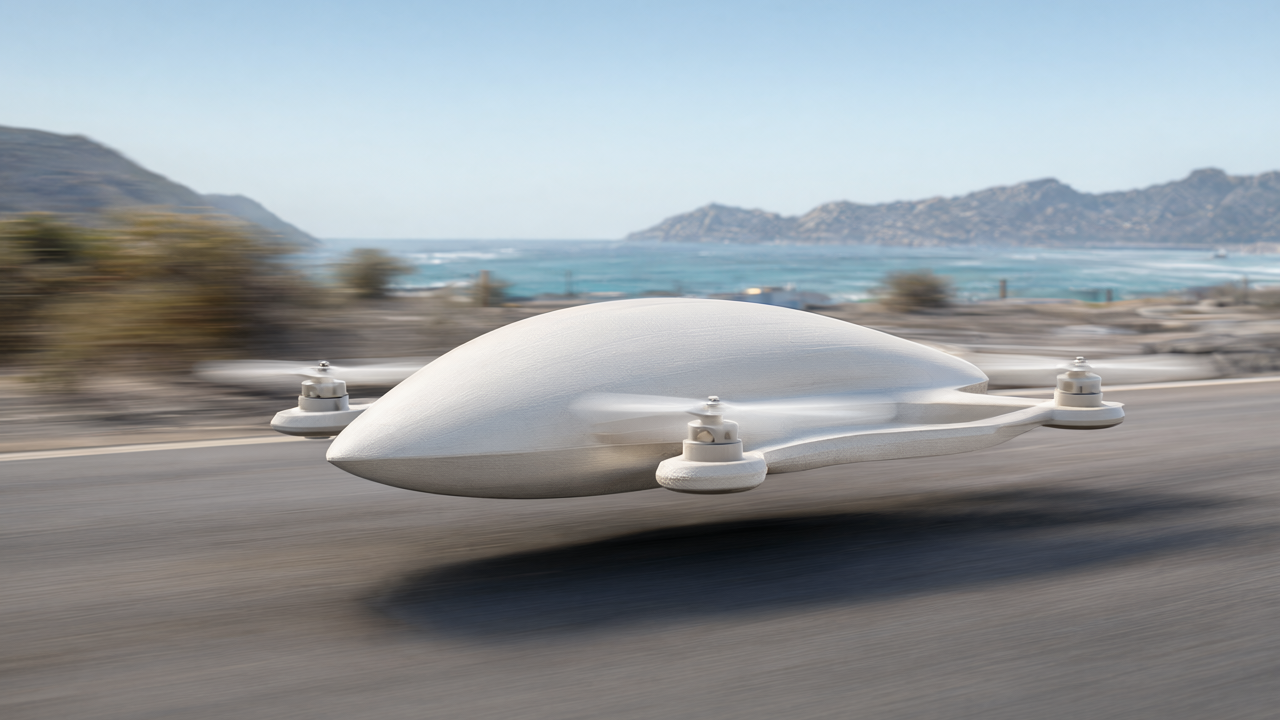
The Guinness World Record for the fastest drone, as of October 2026, is held by the Peregreen V4, a 3D-printed quadcopter developed by Mike and Luke Bell from South Africa, achieving a speed of 408.60 mph (657.59 km/h). This record was officially set in Cape Town on December 11, 2025. Furthermore, unofficial reports from earlier in 2026 suggest even higher speeds have been attained, underscoring the rapid progression in drone technology.
Technical / Clinical Details
- Official Guinness World Record: The Peregreen V4’s record-breaking speed of 408.60 mph (657.59 km/h) was achieved through a sophisticated 3D-printed airframe, optimized for lightweight construction and high rigidity, coupled with powerful motors and advanced propeller designs.
- Unofficial Speed Advancements: In May 2026, Benjamin Biggs’ ‘Blackbird’ from Australia reportedly reached an average speed of 425 mph (685 km/h). Following this, in June 2026, Quantum Systems’ ‘Apex Recordhunter’ demonstrated an internal test speed of 434 mph (699 km/h). These unofficial benchmarks indicate a vibrant competitive landscape where both individual enthusiasts and specialized firms are pushing the boundaries of drone speed.
Background & Context
The pursuit of higher drone speeds extends beyond competitive racing and entertainment, holding significant implications for applications requiring rapid deployment, such as urgent logistics, reconnaissance, and emergency response. The widespread adoption of 3D printing in drone manufacturing enables rapid prototyping and custom designs, allowing for the creation of aerodynamically superior and lighter airframes in shorter development cycles. This technological synergy is a key driver for accelerating high-performance drone development.
Strategic Significance & Outlook
The continuous breaking of drone speed records is anticipated to persist, fueled by ongoing advancements in materials science, battery energy density, and motor efficiency. This trajectory suggests a future where drones could routinely operate at speeds previously unimaginable, transforming sectors like express delivery, defense, and infrastructure inspection. The ability to deploy and retrieve assets with unprecedented speed will not only enhance operational capabilities but also open new market opportunities for drone integration across diverse industries.
Source: https://aerocorner.com/blog/fastest-drones/
Get our weekly technology intelligence — free
Receive an infographic that lets you judge at a glance whether each field’s analysis report is worth reading.
Subscribe Free — Weekly Tech Intelligence
By subscribing, you’ll receive Troy-Technical’s weekly technology intelligence newsletter.
- Your email and selected fields are used only to deliver the newsletter.
- We never share your information with third parties.
- You can unsubscribe anytime via the link in each email.
See our Privacy Policy for details.
Takes about a minute · Unsubscribe anytime