

Key Findings
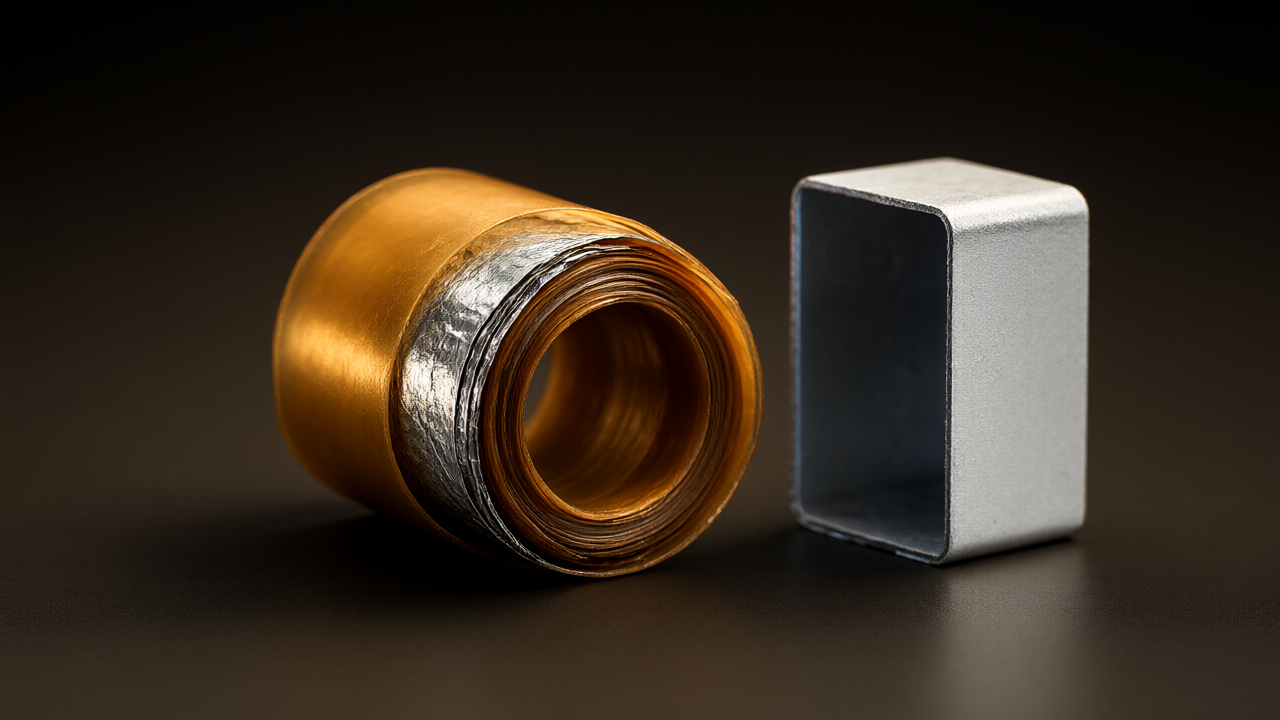
Toray Industries, Inc. has demonstrated the stable operation of a prototype inverter at 150°C. This was achieved by utilizing a prototype film capacitor featuring a proprietary heat-resistant film as the dielectric. According to thermal simulations conducted by the company, the implementation of these high-temperature capacitors could potentially halve the size of the heat-dissipation structure within a power control unit for electric mobility.
Technical Details
The development involved joint research with Professor Masayoshi Yamamoto of Nagoya University’s Institute of Materials and Systems for Sustainability. The research focused on the stability of the capacitor under high-temperature conditions within the inverter. The project was supported by the New Energy and Industrial Technology Development Organization (NEDO), which funded the development of dielectric film for 150°C capacitors starting in fiscal 2023. The goal is to enable air-cooled power control units, which are smaller, lighter, and more efficient than current alternatives.
Background and Context
Inverters, which convert direct current into alternating current to control motors, are critical components in electric vehicles and industrial equipment. Film capacitors are used within these systems to stabilize power due to their durability and reliability. However, the heat resistance of these capacitors often limits the overall design of high-output drive systems. This constraint is particularly acute for next-generation mobility, such as aircraft and flying cars, where reducing the weight and volume of heat-dissipation hardware is essential for extending flight range.
Significance and Outlook
Toray and Nagoya University are continuing to develop and evaluate the film to move toward commercialization. The technology is intended to support the electrification of transportation and the decarbonization of the mobility sector. Toray plans to exhibit this technology at the CEATEC 2026 digital innovation exhibition at Makuhari Messe from October 13 to 16, 2026, within the NEDO booth.
Get our weekly technology intelligence — free
Receive an infographic that lets you judge at a glance whether each field’s analysis report is worth reading.
Subscribe Free — Weekly Tech Intelligence
By subscribing, you’ll receive Troy-Technical’s weekly technology intelligence newsletter.
- Your email and selected fields are used only to deliver the newsletter.
- We never share your information with third parties.
- You can unsubscribe anytime via the link in each email.
See our Privacy Policy for details.
Takes about a minute · Unsubscribe anytime