

Key Findings
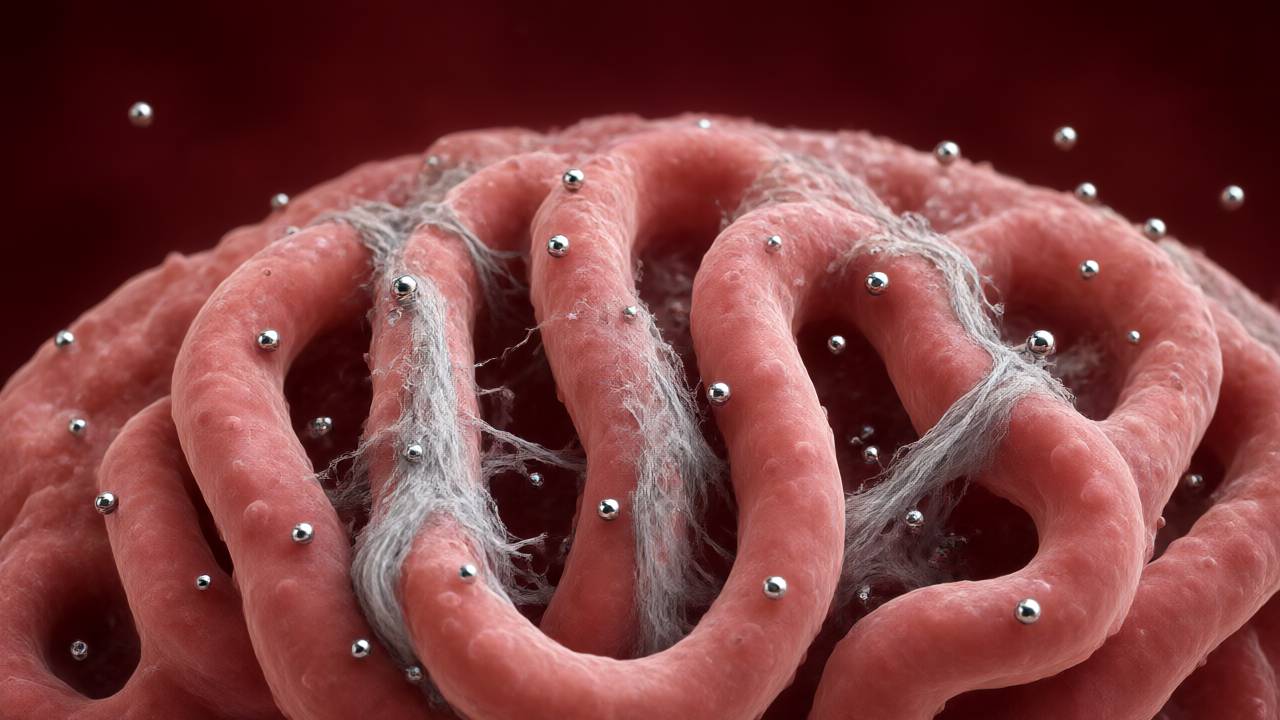
AMSC-derived exosomes significantly suppress renal fibrosis by targeting the metabolic reprogramming of tubular epithelial cells. In a mouse model of unilateral ureteral obstruction (UUO), intravenous injection of these exosomes reduced levels of the hypoxia marker HIF-1α and the fibrosis marker α-SMA. Histological analysis confirmed that the treatment lessened tubular dilation and epithelial cell damage while suppressing myofibroblast activation and collagen deposition.
Technical Details
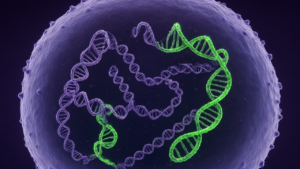
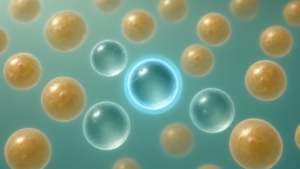
The research team isolated exosomes via ultracentrifugation, confirming a size of 50–200 nanometers and a bilayer membrane structure. The vesicles were validated using markers CD9, CD81, and Tsg101, with the absence of Calnexin. miRNA sequencing identified five dominant microRNAs—miR-26a-5p, miR-150-5p, miR-1301-3p, miR-193a-3p, and miR-33a-3p—which together comprise nearly 48 percent of the total miRNA population.
The study identified miR-26a-5p as the primary functional mediator. Using a dual-luciferase reporter assay, researchers confirmed that miR-26a-5p binds to the 3′UTR of Pfkfb3, an enzyme encoding 6-phosphofructo-2-kinase/fructose-2,6-bisphosphatase 3. When exosomes were depleted of miR-26a-5p using an inhibitor, the protective effects against kidney damage were markedly weakened and Pfkfb3 was upregulated.
Background & Context
Chronic kidney disease involves renal fibrosis, where functional nephron tissue is replaced by scar tissue. Tubular epithelial cells normally rely on fatty acid oxidation for energy; however, under hypoxic conditions, this process is suppressed. The cells then switch to glycolysis, a less efficient sugar-burning pathway, which serves as a hallmark of disease progression. While whole stem cell injections pose risks of immune reactions and uncontrolled growth, exosomes offer a low-immunogenicity alternative for delivering nucleic acids and proteins directly to tissues.
Significance & Outlook
By rewiring the metabolism of the kidney’s most energy-hungry cells, AMSC-derived exosomes provide a specific mechanism to interrupt the progression of fibrosis. The findings suggest that targeting the Pfkfb3-mediated glycolytic pathway via exosomal delivery may offer a viable strategy for treating chronic kidney disease where no currently approved anti-fibrotic drugs can reliably reverse scarring.
Source: https://bioengineer.org/stem-cell-exosomes-carry-a-microrna-that-halts-kidney-scarring/
Get our weekly technology intelligence — free
Receive an infographic that lets you judge at a glance whether each field’s analysis report is worth reading.
Subscribe Free — Weekly Tech Intelligence
By subscribing, you’ll receive Troy-Technical’s weekly technology intelligence newsletter.
- Your email and selected fields are used only to deliver the newsletter.
- We never share your information with third parties.
- You can unsubscribe anytime via the link in each email.
See our Privacy Policy for details.
Takes about a minute · Unsubscribe anytime