Key Findings
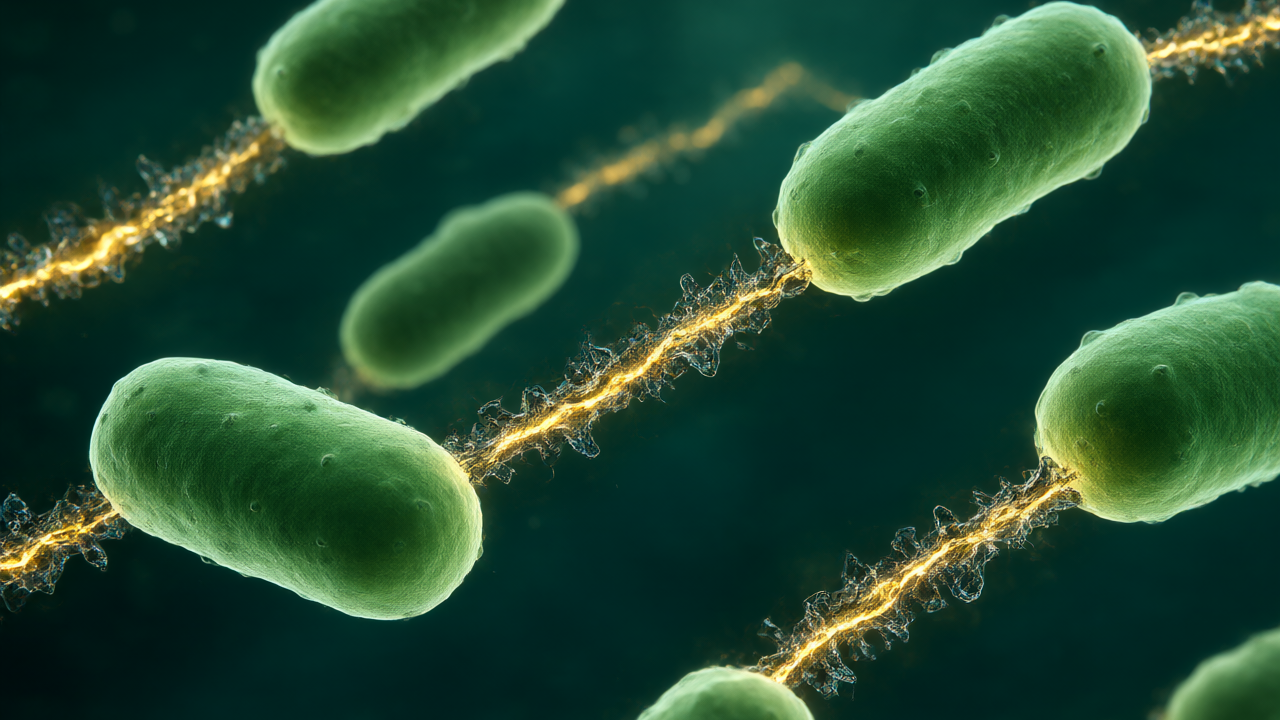
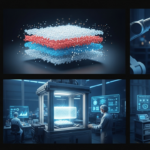
For the first time, researchers have identified a microorganism capable of synthesizing metal-organic frameworks (MOFs). The bacterium Candidatus Electrothrix gigas produces conductive filaments made of a nickel-based MOF that allows for electron transport over distances spanning several centimeters. This biological MOF exhibits “extraordinary” conductivity that exceeds most synthetic MOFs and approaches the conductivity of metals, performing similarly to the highest-quality synthetic polymers.
Technical Details
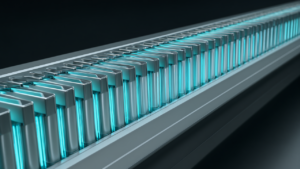
The MOF is composed of a nickel core linked by organic dithiolene ligands. While the basic building blocks are similar to those used in synthetic chemistry, the resulting supramolecular architecture is unique: bundles of intertwined MOF nanoribbons. This specific structure facilitates conjugation and delocalization, creating an electronic environment that enables long-distance electron transport. These conductive cables can reach lengths approximately 10,000 times the length of a single bacterium.
Background and Context
These “cable bacteria” evolved these structures approximately 600 million years ago to survive in harsh seafloor environments. The cables penetrate deep into sediment to access sulfides, which are oxidized to release electrons for metabolic reactions. This allows the bacteria to perform redox reactions with electron donors and acceptors separated by centimeters—resources that would otherwise be unreachable. Researchers have identified 90 different bacterial species utilizing conductive structures, and spectroscopic signatures suggest this supramolecular structure is shared across many microorganisms in the same family.
Significance and Outlook
The discovery reveals a new set of biological tools for creating conductive structures and serves as inspiration for the development of novel hybrid biomaterials. Lead author Filip Meysman from the University of Antwerp is currently investigating methods to produce these wires and is preparing a start-up to commercialize the materials. The findings suggest a path toward the design of more sustainable and efficient electronic materials based on these biological supramolecular structures.
Get our weekly technology intelligence — free
Receive an infographic that lets you judge at a glance whether each field’s analysis report is worth reading.
Subscribe Free — Weekly Tech Intelligence
By subscribing, you’ll receive Troy-Technical’s weekly technology intelligence newsletter.
- Your email and selected fields are used only to deliver the newsletter.
- We never share your information with third parties.
- You can unsubscribe anytime via the link in each email.
See our Privacy Policy for details.
Takes about a minute · Unsubscribe anytime