

Key Findings
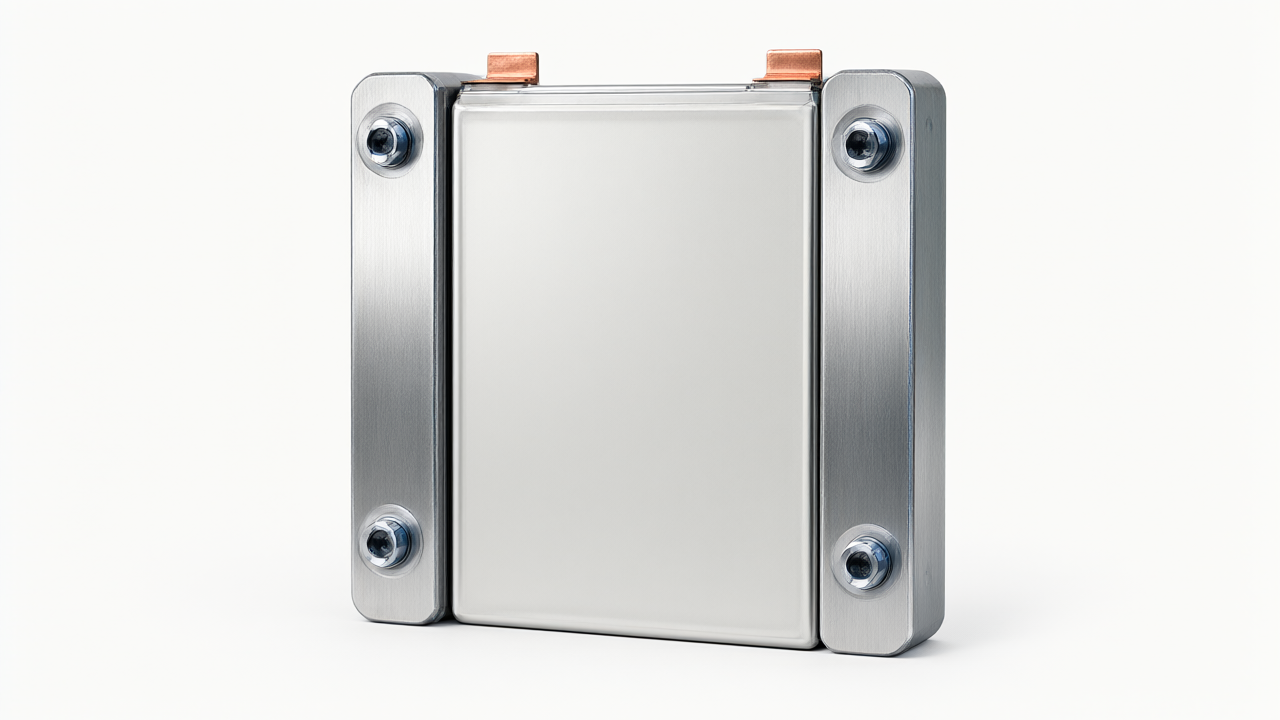
As part of the ‘StrOboBatt’ project, the Fraunhofer Institute for Solar Energy Systems (ISE) successfully operated a self-manufactured 25-Ah pouch cell with silicon-rich anodes for over 1,000 full cycles. The cell maintained more than 83 per cent of its capacity, surpassing the 80 per cent threshold generally considered the minimum requirement for commercial viability.
Technical Details
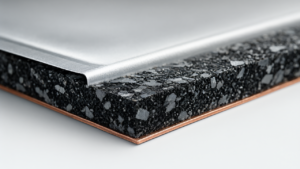
The cell utilizes a silicon-carbon composite, which constitutes 51 per cent of the anode’s active material, paired with a nickel-rich cathode. This configuration was produced on an industry-scale pilot line to achieve higher energy density than conventional graphite anodes.
Testing revealed that external mechanical pressure is a critical factor for stability. The prototypes were subjected to an axial pressure of 1,000 kilopascals (approx. 10 bar), which kept electrode contact stable despite material movement. In contrast, a lower pressure of 300 kilopascals (approx. 3 bar) resulted in a significantly faster decrease in usable capacity. Additionally, data showed that usable capacity declines more rapidly at high power levels than during gentle test cycles.
Background and Context
Silicon is desirable for its high energy density but suffers from extreme volume expansion—up to 300 per cent—during lithium-ion absorption during charging. This expansion and subsequent shrinkage during discharging typically lead to electrical contact loss and electrolyte decomposition. For comparison, graphite expands by only 10 to 12 per cent.
Significance and Outlook
The tested cells achieved a gravimetric energy density of 280 Wh/kg, with Fraunhofer ISE stating that industrially optimised mass production could reach approximately 330 Wh/kg. This represents a 20 to 35 per cent increase over current NMC and NCA cells, and nearly double the density of LFP cells.
- EV Impact: A vehicle could carry nearly 100 kWh of storage instead of 75 kWh at the same weight, increasing range from 450 km to over 600 km.
- Strategic Sourcing: Increasing silicon composite use allows for a partial shift in raw material value creation to Europe, reducing reliance on imported graphite.
Get our weekly technology intelligence — free
Receive an infographic that lets you judge at a glance whether each field’s analysis report is worth reading.
Subscribe Free — Weekly Tech Intelligence
By subscribing, you’ll receive Troy-Technical’s weekly technology intelligence newsletter.
- Your email and selected fields are used only to deliver the newsletter.
- We never share your information with third parties.
- You can unsubscribe anytime via the link in each email.
See our Privacy Policy for details.
Takes about a minute · Unsubscribe anytime