

Key Findings
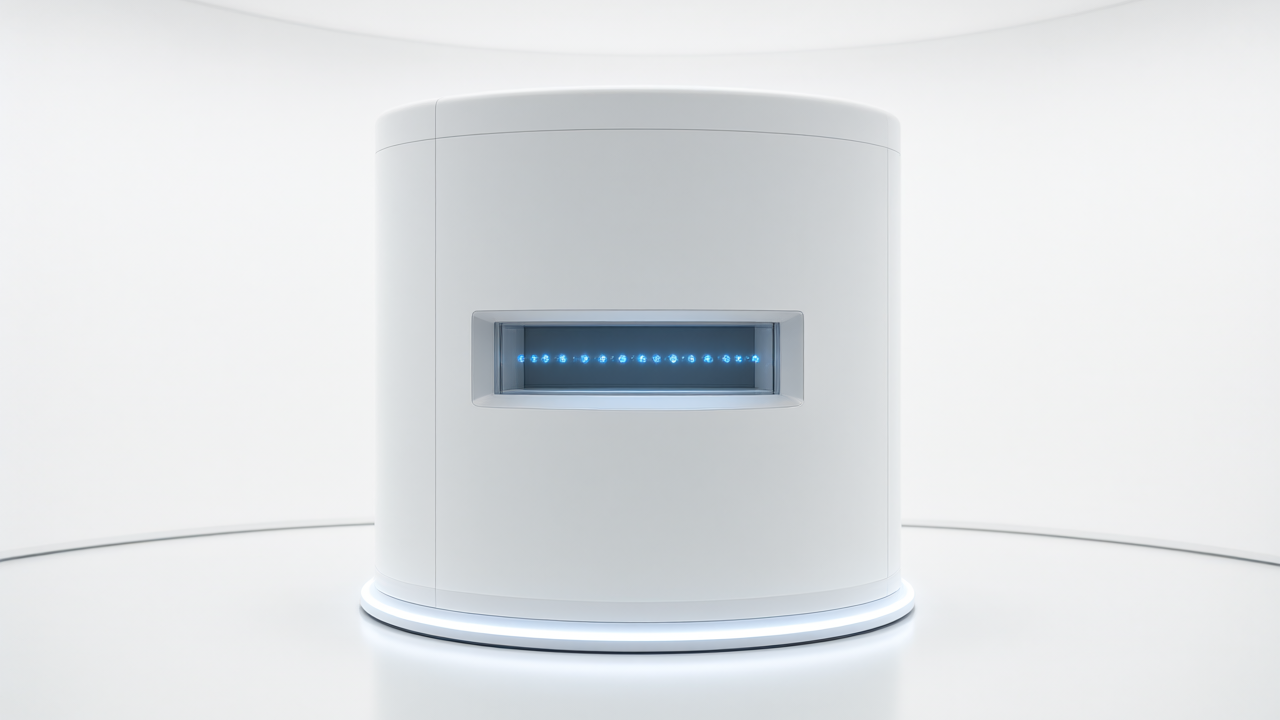
On October 19, 2026, Quantinuum reported that its Helios commercial quantum computer reached a logical fidelity of 99.9995%, equating to roughly five mistakes per million operations. This error rate is 10x lower than the company’s own September 2026 record and 100x lower than the best published result from superconducting systems, specifically those reported by Google Quantum AI.
Technical Details
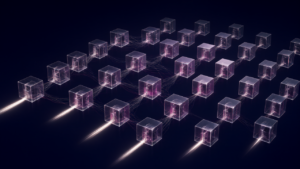
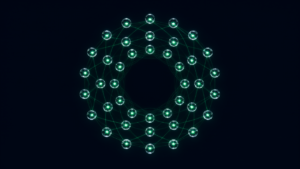
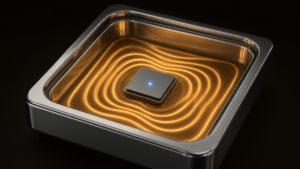
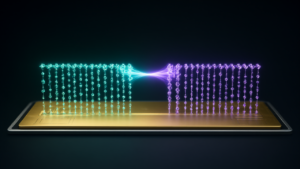
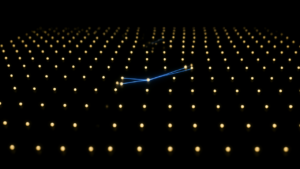
The Helios system is a 98-qubit trapped-ion quantum computer that utilizes electromagnetic fields to stabilize atoms rather than superconducting loops cooled to near absolute zero. To achieve these results, engineers implemented a denser error-correcting pattern known as a “color code.” While a previous “Helix” code used 10 physical qubits per logical qubit, the color code used up to 37 physical qubits per logical qubit. This redundancy allowed 48 logical qubits to achieve performance superior to physical qubits.
Crucially, the team observed that each increase in the code size reduced remaining logical errors by a factor of 12. This scaling behavior indicates that the machine becomes proportionally more accurate as protection is added, a signature requirement for fault-tolerant quantum computing.
Background & Context
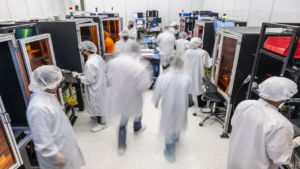
Unlike laboratory prototypes, Helios is a commercial system already rented to customers and is being deployed in a US-based Oracle Cloud Infrastructure AI data center. The hardware remains the same trapped-ion system previously installed; the performance jump resulted from the software-level error correction architecture rather than new silicon.
Significance & Outlook
Quantinuum CEO Rajeeb Hazra stated the company has crossed the threshold necessary for exponential improvements in accuracy. This milestone aligns Helios with the target range for Apollo, a planned fault-tolerant quantum computer due by 2029. However, limitations remain: the result focuses on logical memory fidelity under active syndrome extraction rather than arbitrary computation gate results. Additionally, the 98-qubit scale is still well below the tens of thousands of qubits generally considered necessary for a truly useful machine.
Source: https://gcn.com/error-rate-colorado-quantum-machine-hit/23020/
Get our weekly technology intelligence — free
Receive an infographic that lets you judge at a glance whether each field’s analysis report is worth reading.
Subscribe Free — Weekly Tech Intelligence
By subscribing, you’ll receive Troy-Technical’s weekly technology intelligence newsletter.
- Your email and selected fields are used only to deliver the newsletter.
- We never share your information with third parties.
- You can unsubscribe anytime via the link in each email.
See our Privacy Policy for details.
Takes about a minute · Unsubscribe anytime