
Key Findings
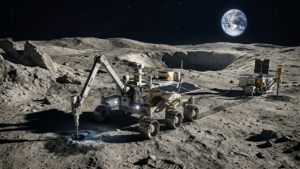
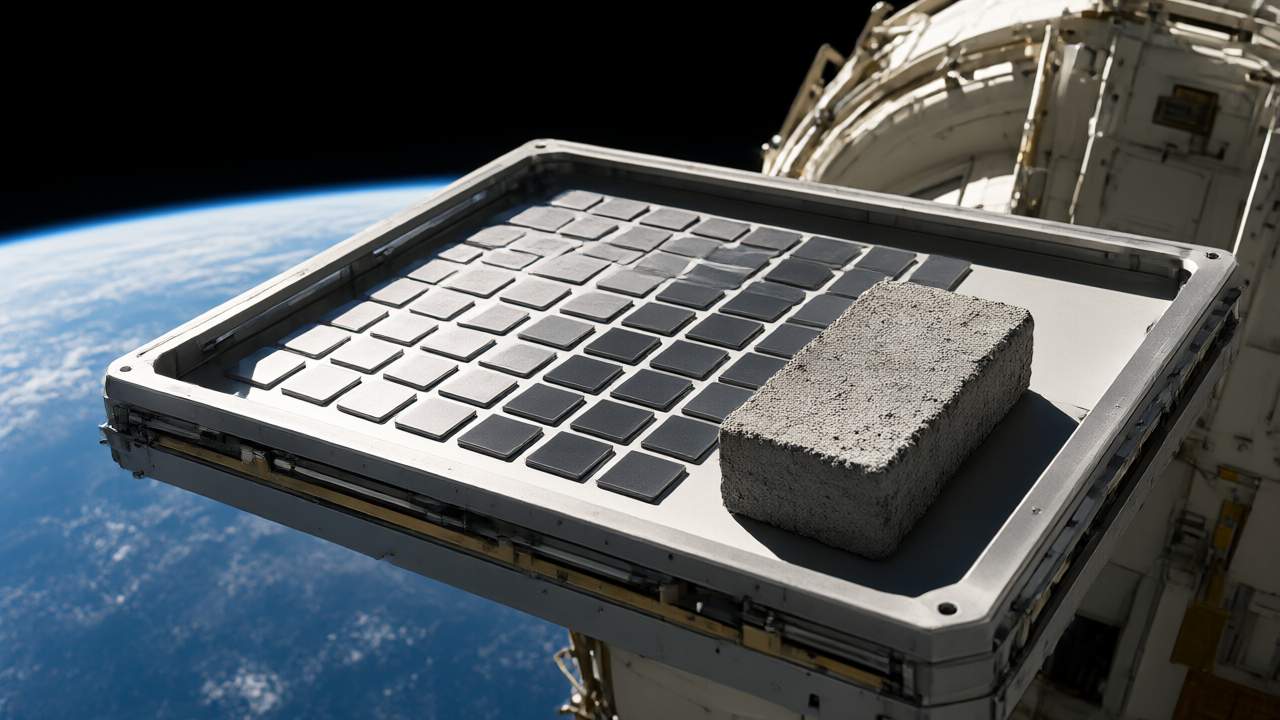
China has completed multiple batches of in-orbit experiments on material and biological samples, yielding several original results. Notably, the country achieved the world’s first in-orbit verification of the space stability of a stainless magnesium alloy, confirming its lightweight and radiation-resistant properties. Additionally, simulated lunar soil bricks remained intact after one year of exposure to extreme space conditions, verifying the feasibility of these materials for lunar surface construction.
Technical Details
The space station is currently executing its fourth round of extravehicular exposure experiments, which include 26 sample units across eight scientific projects with exposure periods ranging from one to two years. Samples are placed on platforms outside the station to be directly exposed to the real space environment, including:
- High vacuum and atomic oxygen erosion
- Cosmic radiation and sharp temperature fluctuations
- Micrometeoroid impacts
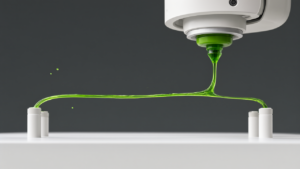
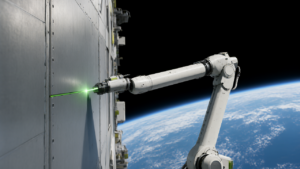
Following testing, samples are retrieved by astronauts or a robotic arm for Earth-based analysis. In materials research, friction tests using gel lubrication and solid-liquid composite lubrication achieved near-zero wear. In biological research, experiments on nematodes and extremophile microorganisms provided data on life tolerance and radiation damage.
Background and Context
The Tiangong space station has entered an era of long-term human habitation. The Shenzhou XXIII spacecraft launched on May 24, 2026, and its crew has been in orbit for over five months. One crew member is scheduled for a one-year stay as China advances its 2030 crewed moon landing mission.
Significance and Outlook
The established evaluation system for space service of materials provides key data for protection design and material selection for crewed lunar missions and deep-space exploration. Furthermore, these results are applicable to high-end ground equipment in the aviation, nuclear power, and precision transmission sectors to improve radiation resistance, wear, and corrosion.
Source: https://global.chinadaily.com.cn/a/202611/04/WS6aeb1a9ae4b0aac4cf1ee354.html
Get our weekly technology intelligence — free
Receive an infographic that lets you judge at a glance whether each field’s analysis report is worth reading.
Subscribe Free — Weekly Tech Intelligence
By subscribing, you’ll receive Troy-Technical’s weekly technology intelligence newsletter.
- Your email and selected fields are used only to deliver the newsletter.
- We never share your information with third parties.
- You can unsubscribe anytime via the link in each email.
See our Privacy Policy for details.
Takes about a minute · Unsubscribe anytime