

Key Findings
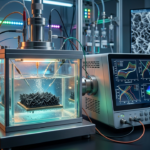
Mitsui Kinzoku and a research group led by Professor Satoshi Horige of the Graduate School of Science at Kyoto University have successfully produced hydrogen through water electrolysis using 170°C steam. This achievement was made possible by the development of a new proton-conducting MOF (Metal-Organic Framework) glass membrane designed to function in medium-temperature environments.
Technical Details
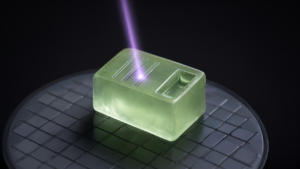
The research focuses on MOF glass, a material derived from Metal-Organic Frameworks. MOFs are porous materials composed of metal ions and organic molecules. The researchers utilized MOF glass due to its specific characteristics, which include:
- The ability to incorporate molecules with various functions.
- Suitability for molding and processing.
Background and Context
Water electrolysis is a primary method for hydrogen production to support a decarbonized society. However, a technical gap existed for the temperature range between 150°C and 250°C. This specific range is highly valuable because it aligns with the temperature of waste heat and steam typically generated in industrial plants. Prior to this development, there were no electrolyte materials suitable for water electrolysis within this medium-temperature window.
Significance and Outlook
By developing a membrane that functions at 170°C, the research group has provided a potential pathway to integrate hydrogen production directly with industrial waste heat recovery. This allows for more efficient energy use by leveraging existing thermal outputs from factories to drive the electrolysis process.
Source: https://response.jp/article/2026/11/10/418829.html
Get our weekly technology intelligence — free
Receive an infographic that lets you judge at a glance whether each field’s analysis report is worth reading.
Subscribe Free — Weekly Tech Intelligence
By subscribing, you’ll receive Troy-Technical’s weekly technology intelligence newsletter.
- Your email and selected fields are used only to deliver the newsletter.
- We never share your information with third parties.
- You can unsubscribe anytime via the link in each email.
See our Privacy Policy for details.
Takes about a minute · Unsubscribe anytime