

Key Findings
The reported system enables multi-level differentiation of blood cells using a machine learning workflow applied to multimodal data. In blood cell differentiation tests, the platform achieved a minimum F1 score of 0.92. Additionally, the workflow successfully identified two distinct populations within mixed samples of neutrophils and PBMCs.
Technical Details
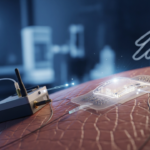
The device is a multi-frequency microfluidic impedance cytometer designed for the multimodal measurement of mechanical and electrical cell properties. Key technical specifications include:
- Frequency Range: The system operates across a wide range from 800 kHz to 8 MHz.
- Hardware Design: The system utilizes a constriction-equipped channel to analyze mechanical properties and integrates multiple microelectrodes to capture electric field information during various stages of cell transit.
- Data Processing: The machine learning workflow extracts over 70 features from raw impedance signals. The system can identify the top 5 distinguishing parameters used to classify cells in new samples.
Background & Context
The research focuses on improving the accuracy of cell classification by combining physical measurements with computational analysis. By utilizing a large feature set derived from both electrical and mechanical modalities, the researchers implemented a machine learning-assisted approach to differentiate cell types more effectively than single-mode measurements.
Significance & Outlook
The ability to minimize both false negatives and false positives is highlighted as a critical factor for medical diagnosis. By providing a high-precision classification tool that can isolate specific cell populations and identify the most influential biological parameters, this technology offers a robust framework for blood cell analysis.
Source: https://doi.org/10.64898/2026.11.12.766153
Get our weekly technology intelligence — free
Receive an infographic that lets you judge at a glance whether each field’s analysis report is worth reading.
Subscribe Free — Weekly Tech Intelligence
By subscribing, you’ll receive Troy-Technical’s weekly technology intelligence newsletter.
- Your email and selected fields are used only to deliver the newsletter.
- We never share your information with third parties.
- You can unsubscribe anytime via the link in each email.
See our Privacy Policy for details.
Takes about a minute · Unsubscribe anytime