

Key Findings
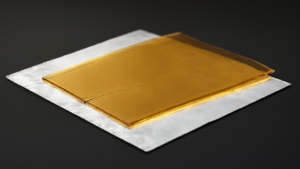
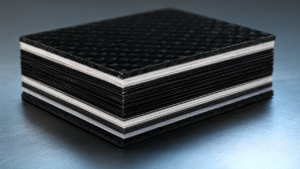
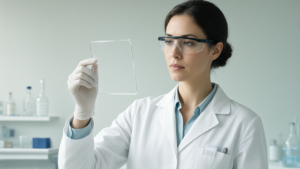
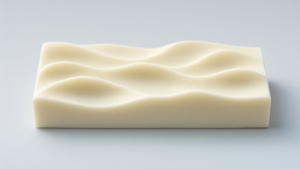
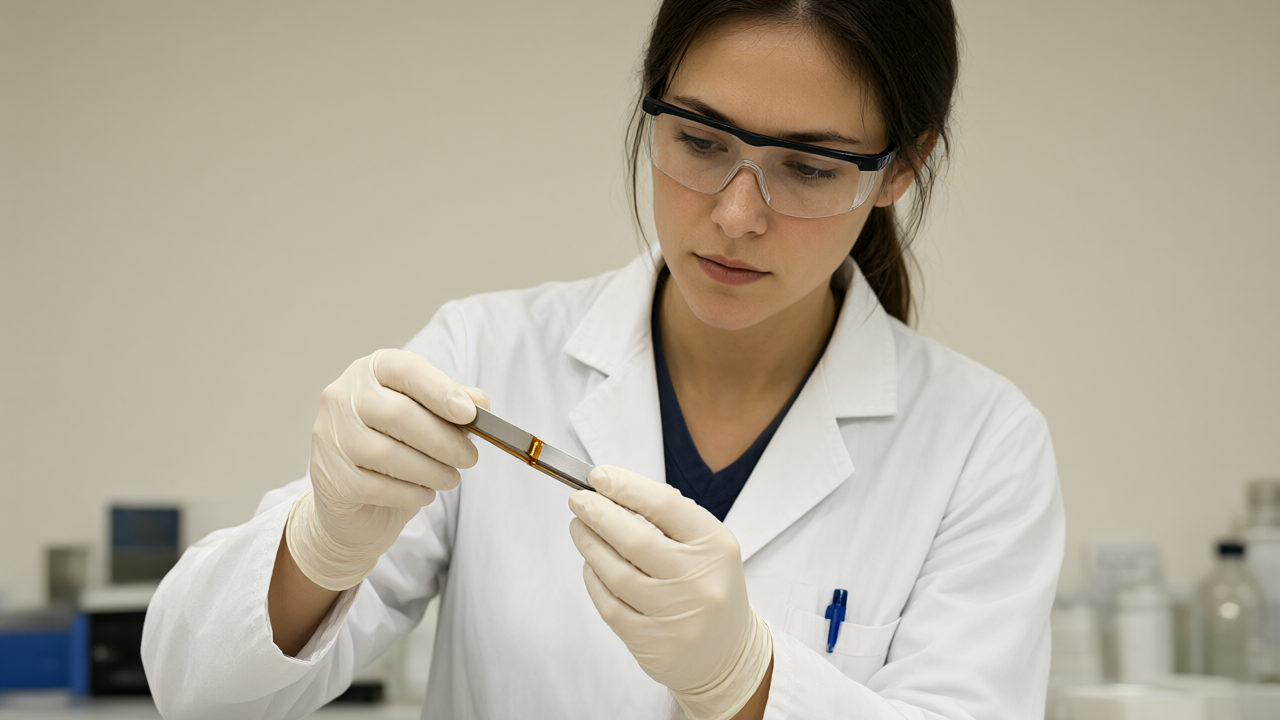
A research team led by Professor Tae-Lim Choi at ETH Zurich has successfully converted waste polyolefins into industrial-grade adhesives. In validation tests, a 13 mg sample of low-density polyethylene (LDPE) grafted with functional polymers (LDPE–g–PNEtAM) was capable of lifting a 20 kg kettlebell. Further testing demonstrated the material’s ability to support the weight of an adult male weighing approximately 80 kg during hanging and pull-up exercises. On metal substrates, the resulting adhesive reached a maximum lap-shear strength of 13.4 MPa, surpassing the performance of tested commercial hot-melt adhesives.
Technical Details
The team utilized a “Direct Polymer-on-Polymer Grafting under Visible Light” method. The technical process involves the following steps:
- Activation: Chlorinated solvents are used under visible light to generate chlorine radicals.
- Grafting: These radicals create reactive sites on the stable carbon-hydrogen chains of the polyolefin main chain.
- Polymerization: Vinyl monomers are introduced to generate new functional polymer side chains.
This method eliminates the need for expensive catalysts, initiators, or high-temperature processing. The researchers can control the number of grafting sites by adjusting the light wavelength and the degree of chlorination of the solvent.
Background and Context
Polyolefins, including PE and PP, account for a significant portion of the 4.5 billion tons of plastic produced annually. Due to their chemical stability, these materials are difficult to selectively depolymerize. Traditional mechanical recycling often results in degraded material properties, limiting recycled plastics to low-value products like flower pots or paving slabs, while pyrolysis requires high energy input.
Significance and Outlook
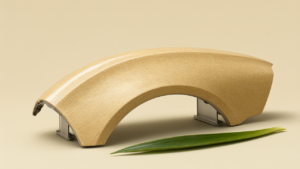
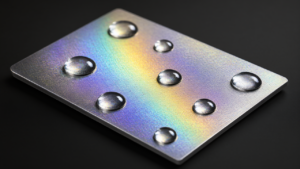
Beyond adhesives, the team suggests that grafting different polymers can introduce hydrophilicity, acidity, alkalinity, or other chemical functionalities to polyolefins. Current industrial collaborations are focusing on food packaging to improve oxygen barrier properties while maintaining waterproofing. Additionally, these functional polymers may serve as binding agents to improve the quality of other recycled plastics. ETH Zurich has applied for a patent for this technology, though industrialization remains subject to further validation regarding scale, cost, and solvent management.
Source: https://finance.sina.com.cn/roll/2026-11-18/doc-inizeacc1573112.shtml
Get our weekly technology intelligence — free
Receive an infographic that lets you judge at a glance whether each field’s analysis report is worth reading.
Subscribe Free — Weekly Tech Intelligence
By subscribing, you’ll receive Troy-Technical’s weekly technology intelligence newsletter.
- Your email and selected fields are used only to deliver the newsletter.
- We never share your information with third parties.
- You can unsubscribe anytime via the link in each email.
See our Privacy Policy for details.
Takes about a minute · Unsubscribe anytime