


Key Findings
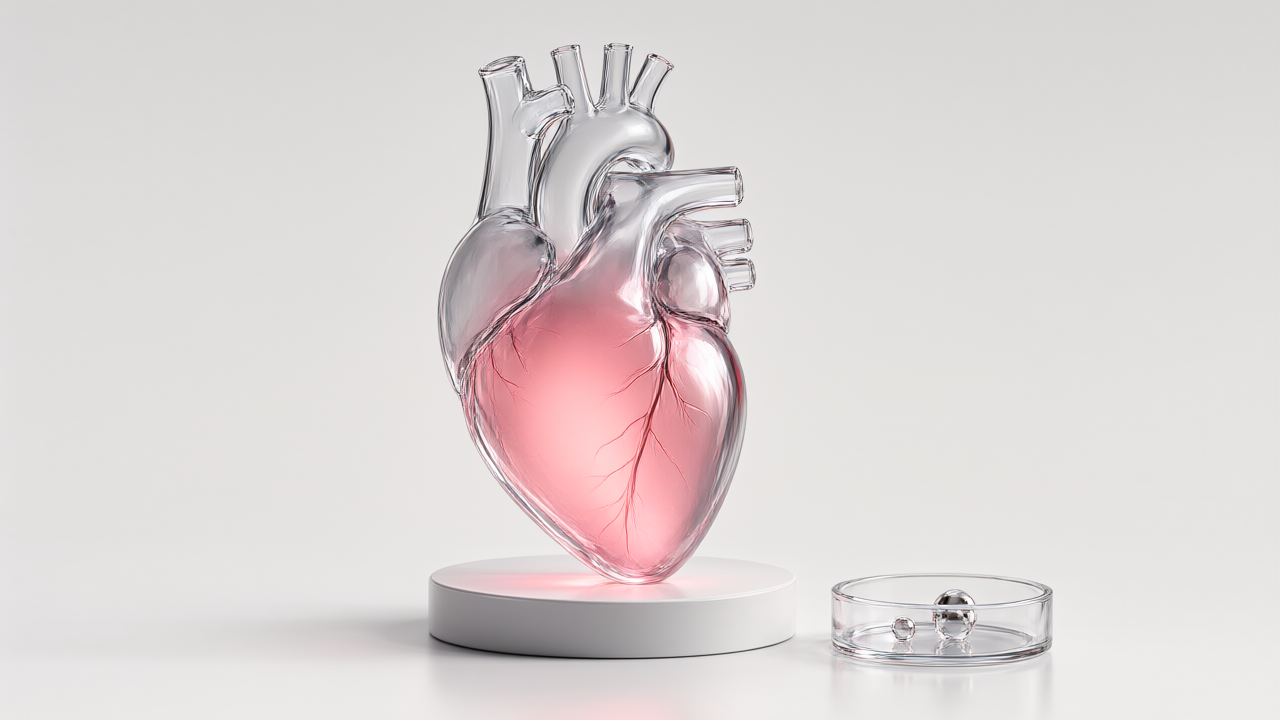
The study demonstrates that a single-vector adenine base editing system can effectively correct a Dutch founder mutation in the MYBPC3 gene (c.2827C>T, p.Arg943Ter) that causes hypertrophic cardiomyopathy (HCM). In a mouse model of HCM, this single-AAV approach achieved therapeutic correction using doses 20-fold lower than those required by previously published dual-AAV base editing strategies.
Technical Details
To overcome the size limitations of canonical SpCas9-based editors, which are too large for a single AAV vector, the researchers implemented the following technical optimizations:
- Editor Selection: Compact base editors were screened in human induced pluripotent stem cell-derived cardiomyocytes (hiPSC-CMs) to identify the most efficient configuration. This configuration successfully reversed disease-associated hypercontractility in engineered human myocardium (EHM).
- Promoter Engineering: The team screened a library of rationally designed small chimeric promoters to fit the editor and guide construct into one vector. They identified a promoter, 6C2, which drives expression with high specificity in hiPSC-CMs and cardiac tissue across mice and non-human primates (NHP).
- Delivery Mechanism: The system was delivered using a single next-generation cardiotropic AAV capsid.
Background & Context
Hypertrophic cardiomyopathy is the most common inherited cardiac disorder, often leading to cardiac hypercontractility, diastolic dysfunction, heart failure, and sudden cardiac death. It is primarily caused by pathogenic variants in genes encoding sarcomeric proteins. While current therapies focus on symptom management, AAV-based base editing targets the underlying genetic cause. Previous dual-AAV methods required higher overall vector doses, increasing manufacturing costs and the risk of toxicity.
Significance & Outlook
By reducing the required vector dose and utilizing a single-vector system with cardiomyocyte-specific expression, this approach establishes a more viable therapeutic strategy for inherited cardiomyopathies. The results indicate that the combination of compact editors and small chimeric promoters like 6C2 can effectively deliver genetic corrections to cardiac tissue in vivo.
Source: https://doi.org/10.64898/2026.11.12.765297
Get our weekly technology intelligence — free
Receive an infographic that lets you judge at a glance whether each field’s analysis report is worth reading.
Subscribe Free — Weekly Tech Intelligence
By subscribing, you’ll receive Troy-Technical’s weekly technology intelligence newsletter.
- Your email and selected fields are used only to deliver the newsletter.
- We never share your information with third parties.
- You can unsubscribe anytime via the link in each email.
See our Privacy Policy for details.
Takes about a minute · Unsubscribe anytime