
Key Findings
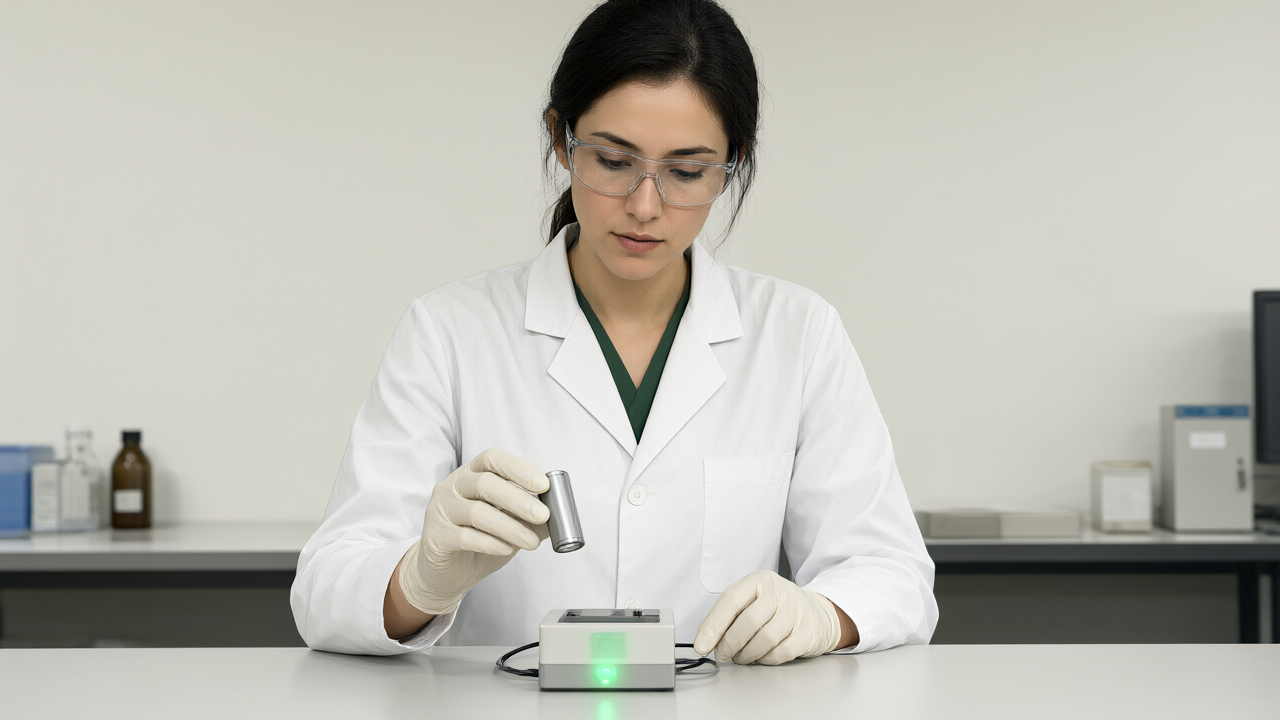
UNSW researchers in Sydney have developed a prototype battery health test capable of assessing individual cells in under three minutes. The platform demonstrates more than 90% accuracy and is 95.5% faster than existing diagnostic methods. Financially, the researchers are targeting a cost of under AUD 25 per test, a significant reduction compared to the current cost of approximately AUD 120 ($85) per EV battery pack.
Technical Details
The prototype departs from traditional testing, which relies on a full charge-discharge cycle lasting about 10 hours. Instead, the UNSW system sends short electrical pulses through each cell and measures the response, using statistical models to estimate health. The platform is designed to be compatible with existing management systems used by energy storage operators and recyclers. It supports the three primary lithium-ion chemistries used in energy storage and electric vehicles:
- Lithium iron phosphate (LFP)
- Nickel cobalt aluminum (NCA)
- Nickel manganese cobalt (NMC)
The system is specifically designed to handle mixed batches of cells from different manufacturers rather than just ideal lab samples.
Background & Context
Current 10-hour testing cycles present safety risks, as damaged batteries can overheat or catch fire under hours of high-stress cycling. To move the technology toward commercial application, UNSW has partnered with DY New Energy, a Malaysia-headquartered lifecycle management company, on an AUD 1.3 million project. This collaboration involves testing the technology on more than 500 batteries in real-world conditions and developing a machine-learning decision engine to determine if batteries should be reused or recycled. This will be integrated into a battery management system module called iBMS for real-time monitoring.
Significance & Outlook
The technology aims to foster a circular battery economy in Australia by increasing the use of second-life batteries for grid and community energy storage. While up to 95% of battery components can be recovered, only a small fraction of Australian lithium-ion batteries are currently collected for recycling. The project is supported by the Trailblazer for Recycling and Clean Energy (TRaCE) Lab to Market Fund.
Source: https://www.pv-magazine.com/2026/11/14/unsw-develops-three-minute-lithium-ion-battery-health-test/
Get our weekly technology intelligence — free
Receive an infographic that lets you judge at a glance whether each field’s analysis report is worth reading.
Subscribe Free — Weekly Tech Intelligence
By subscribing, you’ll receive Troy-Technical’s weekly technology intelligence newsletter.
- Your email and selected fields are used only to deliver the newsletter.
- We never share your information with third parties.
- You can unsubscribe anytime via the link in each email.
See our Privacy Policy for details.
Takes about a minute · Unsubscribe anytime