Key Findings
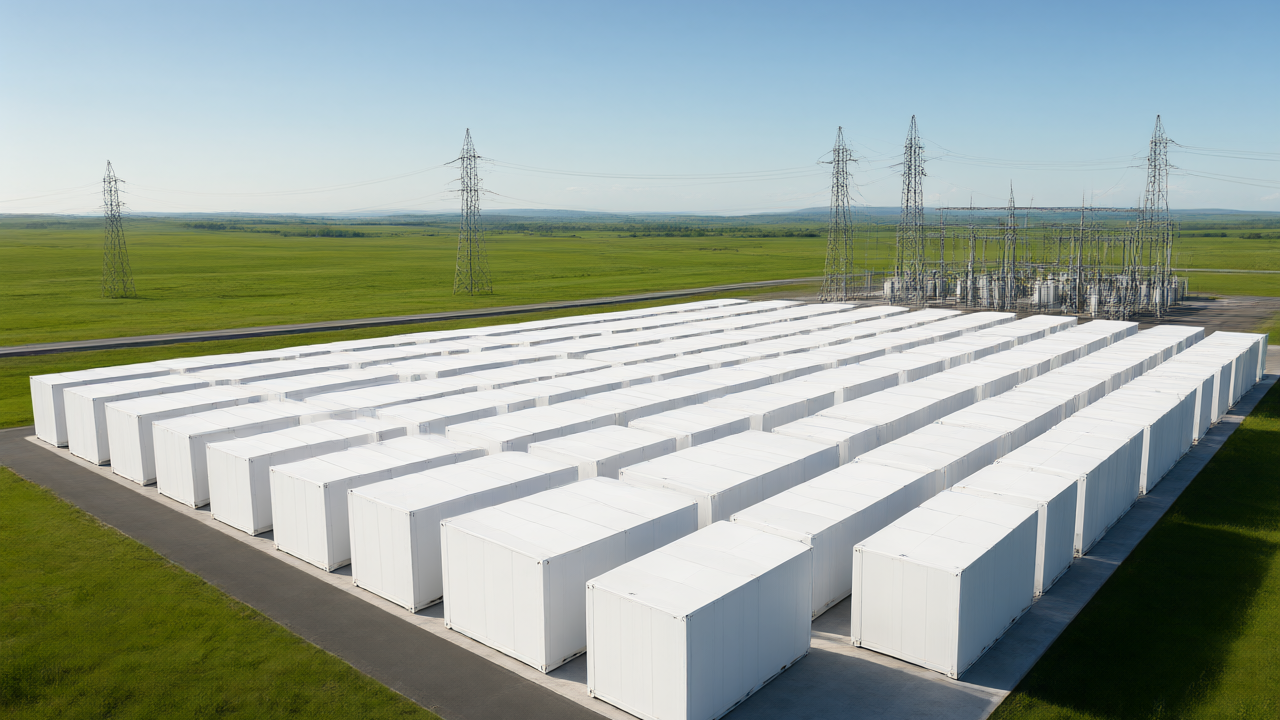
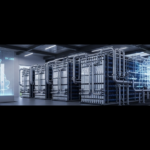
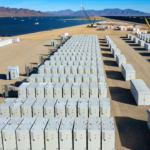
The CATL Tener Sodium BESS is designed for high-capacity storage, with a rated energy of 30+ MWh per block and a power output of 7.5 MW for four hours (0.25P). In a 500 MWh project model, the sodium-ion layout requires 6,630 m², a roughly 32% reduction compared to the 9,700 m² required for the EnerX LFP system. This spatial efficiency contributes to an estimated 9.2% reduction in overall engineering, procurement, and construction (EPC) costs, specifically reducing civil works by 16% and labor by 17%.
Technical Details
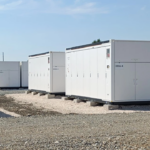
The system is configured in pairs of two, four, six, or eight cabinets. A full eight-cabinet block measures 18.2 m wide, 7 m deep, and 3.5 m high, with each cabinet weighing 44 to 45 metric tons. Technical specifications include:
- Electrical: Rated at 1,166.88 V DC (range: 612 V to 1,387.2 V) with 95% round-trip efficiency at 25°C.
- Durability: 70% state of health after 20 years under a 0.25P duty cycle. Cycle life is reported at 15,000 cycles at 25°C and over 10,000 at 45°C.
- Environment: Liquid-cooled operation from −35°C to +55°C, IP55 protection, and operation up to 4,000 m without derating.
The system integrates the Terapower 265 kW converter, a liquid-cooled, IP66-rated bidirectional DC/DC and PCS module. It accepts 600 V to 1,500 V DC and provides a 690 V AC output with a peak efficiency of at least 99.2%.
Background and Context
Compared to the EnerX LFP system, sodium-ion cells generate 27.2% less heat per unit of energy at the beginning of life. For a 50 MWh station, DC-side refrigeration capacity is reduced to 490 kW from 720 kW. CATL also plans an LFP version of the Tener system with a capacity of approximately 50 MWh across eight cabinets, though sodium-ion certification is currently the priority.
Significance and Outlook
While already being delivered in China, the overseas delivery window is set for summer 2027, following an August 2027 production window. The system’s lower auxiliary power consumption—estimated at 1% compared to a 2% industry average—and reduced physical footprint position it as a competitive alternative to traditional lithium-ion BESS for large-scale projects.
Get our weekly technology intelligence — free
Receive an infographic that lets you judge at a glance whether each field’s analysis report is worth reading.
Subscribe Free — Weekly Tech Intelligence
By subscribing, you’ll receive Troy-Technical’s weekly technology intelligence newsletter.
- Your email and selected fields are used only to deliver the newsletter.
- We never share your information with third parties.
- You can unsubscribe anytime via the link in each email.
See our Privacy Policy for details.
Takes about a minute · Unsubscribe anytime