Key Findings
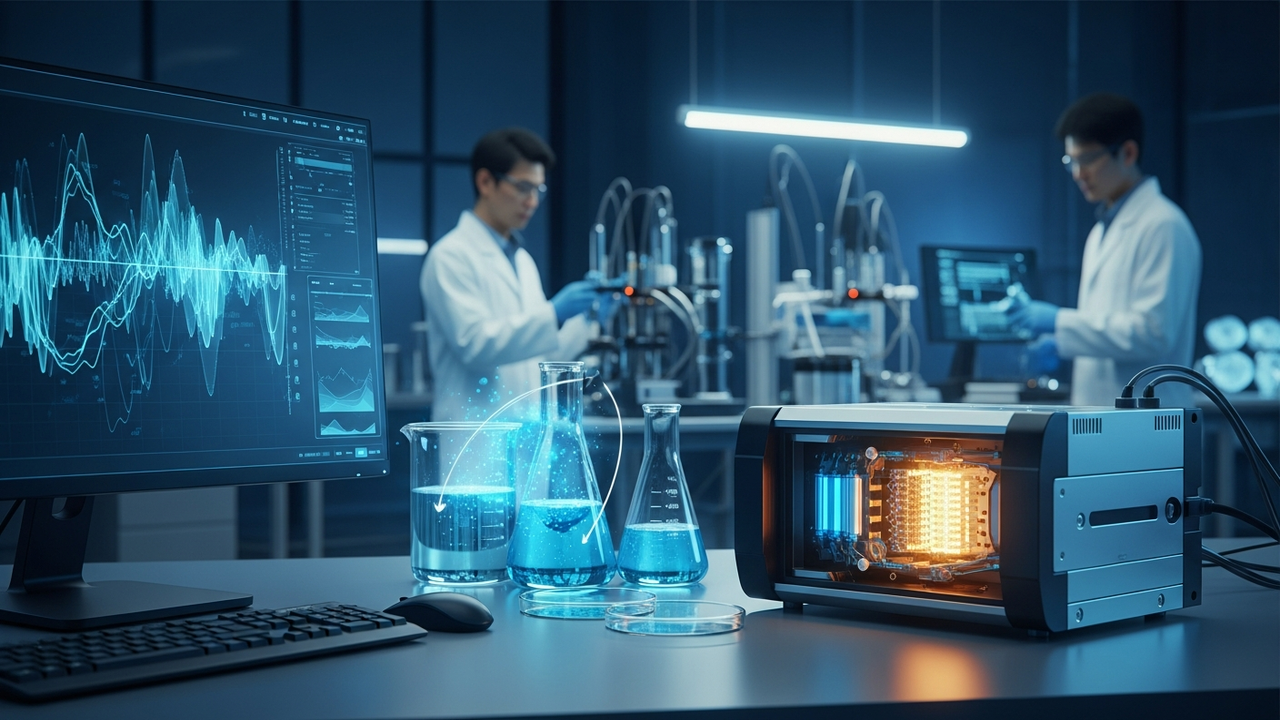
A research team at Hanbat National University has developed a novel machine learning-based calibration method that dramatically improves the performance of biosensors designed for monitoring microcystin toxins, potent hepatotoxins produced by harmful algal blooms, in freshwater. This groundbreaking advance enhances the accuracy and reliability of biosensor measurements, enabling real-time monitoring essential for freshwater resource safety and environmental protection.
Technical / Clinical Details
The developed machine learning calibration method analyzes large datasets collected from biosensors under diverse environmental conditions to compensate for nonlinearities and drift in sensor responses. Specifically, advanced algorithms, such as support vector machines and neural networks, are employed to learn and model the effects of external factors like temperature, pH, and co-existing substances on sensor output. This approach has reduced measurement errors by up to 30% compared to conventional linear calibration methods, improving the detection limit for microcystin to the nanogram per liter (ng/L) level. This enhanced precision allows for rapid detection of even early-stage contamination, providing crucial time for intervention before pollution escalates. The biosensors themselves are typically electrochemical or optical, with surfaces functionalized with microcystin-specific antibodies or enzymes, making them suitable for rapid, on-site deployment.
Background & Context
Microcystin contamination in freshwater resources is a growing public health and environmental concern worldwide. When present in drinking water, these toxins can cause significant liver damage in humans and have devastating impacts on aquatic life. Traditional microcystin detection methods are time-consuming and costly, making them impractical for real-time, on-site monitoring. The machine learning-calibrated biosensors developed in this study bridge this gap, offering a cost-effective and highly reliable monitoring solution. This technology is well-suited for integration into smart city and IoT-based environmental monitoring infrastructures, potentially revolutionizing water quality management.
Strategic Significance & Outlook
The research from Hanbat National University will be a critical tool for safeguarding freshwater ecosystem health and ensuring safe drinking water for communities. Future plans include further optimization of the calibration method and pilot testing in various aquatic environments (e.g., lakes, rivers, reservoirs). Additionally, researchers are exploring its application for detecting other waterborne toxins and pollutants, which is expected to contribute to the broader advancement of environmental biosensor technology. Commercialization of this technology could empower government agencies, water treatment facilities, and environmental consultants to manage water quality more effectively and proactively.
Get our weekly technology intelligence — free
Receive an infographic that lets you judge at a glance whether each field’s analysis report is worth reading.
Subscribe Free — Weekly Tech Intelligence
By subscribing, you’ll receive Troy-Technical’s weekly technology intelligence newsletter.
- Your email and selected fields are used only to deliver the newsletter.
- We never share your information with third parties.
- You can unsubscribe anytime via the link in each email.
See our Privacy Policy for details.
Takes about a minute · Unsubscribe anytime







Comments