
Key Findings
The global market for ABF (Ajinomoto Build-up Film) substrates is anticipated to endure a severe supply shortage until 2028, a direct consequence of the escalating demand for AI hardware. This prolonged scarcity is significantly impacting the manufacturing capacity of high-end processors, including CPUs, GPUs, and AI accelerators.
Technical and Clinical Details
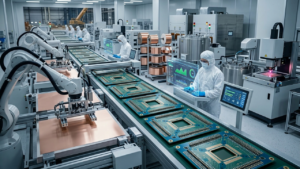
ABF substrates are indispensable materials for the advanced packaging of high-performance AI and High-Performance Computing (HPC) chips. Their multi-layered structure and fine wiring technology are crucial for ensuring high-speed data transfer and signal integrity between chips. However, ABF substrate manufacturing is not only technologically demanding but also requires enormous capital investment for factory construction and specialized equipment, coupled with lengthy lead times. The current rate of production capacity expansion (approximately 15-20% annually) cannot keep pace with the explosive growth in AI demand, leading to a widening supply-demand gap. Consequently, major chipmakers and foundries such as Intel, AMD, Nvidia, and TSMC, along with substrate suppliers like Unimicron and Ibiden, are directly affected by this situation.
Background and Industry Context
The recent surge in demand for high-performance semiconductors across AI, 5G, data centers, and automotive sectors has led to increasingly complex chip packaging requirements. As traditional packaging technologies struggle to meet these new demands, the importance of advanced packaging materials like ABF substrates has risen dramatically. ABF substrates are particularly vital for enabling chiplet technology and 3D stacking. However, the confluence of supply chain disruptions since the COVID-19 pandemic and the subsequent AI boom has exacerbated the pre-existing constraints on ABF substrate supply. This has empowered substrate suppliers with increased pricing power while simultaneously subjecting them to immense pressure to expand production rapidly.
Strategic Significance and Outlook
The persistent ABF substrate shortage could lead to higher manufacturing costs for AI chips and delays in market entry, potentially influencing the overall growth trajectory of the semiconductor industry. While this situation presents revenue opportunities for substrate suppliers, it also incentivizes accelerated capital investment and technological innovation. Companies are now focused on securing stable supply and establishing mass production capabilities through long-term customer commitments and strategic alliances. With AI demand expected to remain high beyond 2028, strengthening the ABF substrate supply chain will continue to be a critical factor shaping the semiconductor industry’s evolution for years to come.
Source: https://www.digitimes.com/news/a20260714PD214/demand-abf-substrate-2028-market-chip-supply.html
Get our weekly technology intelligence — free
Receive an infographic that lets you judge at a glance whether each field’s analysis report is worth reading.
Subscribe Free — Weekly Tech Intelligence
By subscribing, you’ll receive Troy-Technical’s weekly technology intelligence newsletter.
- Your email and selected fields are used only to deliver the newsletter.
- We never share your information with third parties.
- You can unsubscribe anytime via the link in each email.
See our Privacy Policy for details.
Takes about a minute · Unsubscribe anytime






Comments