Key Findings
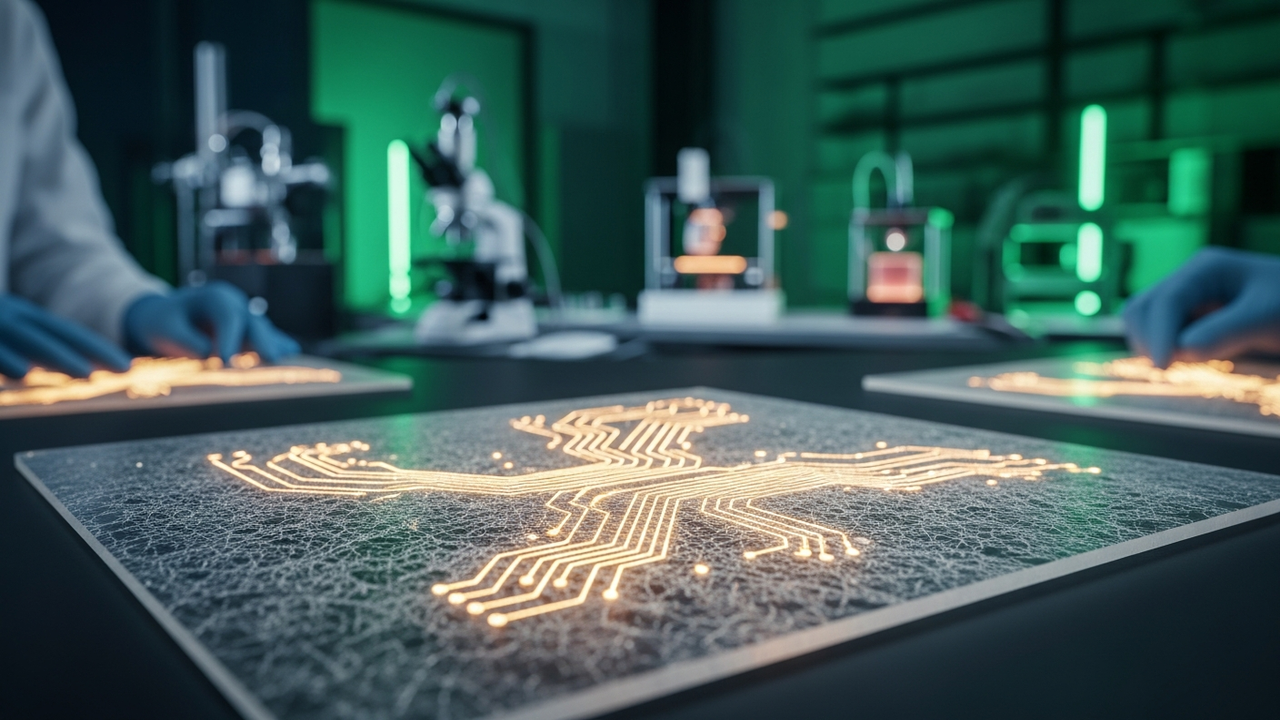
Würth Elektronik Circuit Board Technology has initiated the collaborative ‘Cellutronik’ project, supported by significant funding from the German Federal Ministry for Research, Technology, and Space (BMFTR). The primary objective of this pioneering project is to establish bacterial cellulose as a viable alternative substrate for circuit boards in next-generation electronic devices, thereby accelerating the development of sustainable electronic solutions. This represents a promising answer to the pressing societal challenges of reducing electronic waste and enhancing resource efficiency.
Technical / Clinical Details
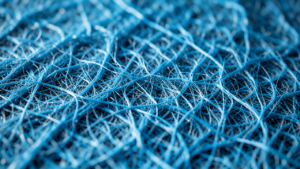
Bacterial cellulose, a natural polymer produced by specific bacteria, possesses remarkable properties including excellent mechanical strength, high purity, and superior biodegradability. The Cellutronik project focuses on research and development to process this bacterial cellulose into a form suitable for electronic circuit boards. Specifically, efforts are underway to optimize the dielectric properties, thermal stability, and dimensional stability of bacterial cellulose substrates while ensuring compatibility with existing printed circuit board manufacturing processes. The goal is to create a high-performance, sustainable substrate material that can replace conventional, environmentally impactful glass fiber-reinforced plastics (such as FR-4).
Background & Context
The rapid proliferation of electronic devices has led to a growing environmental problem: the increasing volume of electronic waste (e-waste). Traditional electronic devices often contain complex materials and hazardous substances that are difficult to recycle, posing significant disposal challenges. Against this backdrop, global research into incorporating bio-based and biodegradable materials into electronics is gaining momentum. Bacterial cellulose, owing to its unique properties, holds great promise as a sustainable substrate material, particularly for flexible electronics and IoT devices. The Cellutronik project aims to establish European leadership in this crucial field.
Strategic Significance & Outlook
The successful outcome of the Cellutronik project will significantly broaden the material options for the electronics industry and contribute to reducing its environmental footprint. If commercialized, this technology could enable more electronic products to be easily disassembled and recycled at the end of their lifecycle, bringing us closer to a circular economy. Researchers, engineers, and investors are keenly observing how this ‘green electronics’ trend could fundamentally transform the design, manufacturing, and consumption patterns of electronic devices. In the future, bacterial cellulose substrates may also find applications in smart packaging, disposable sensors, and medical diagnostic tools.
Get our weekly technology intelligence — free
Receive an infographic that lets you judge at a glance whether each field’s analysis report is worth reading.
Subscribe Free — Weekly Tech Intelligence
By subscribing, you’ll receive Troy-Technical’s weekly technology intelligence newsletter.
- Your email and selected fields are used only to deliver the newsletter.
- We never share your information with third parties.
- You can unsubscribe anytime via the link in each email.
See our Privacy Policy for details.
Takes about a minute · Unsubscribe anytime



Comments