Key Findings
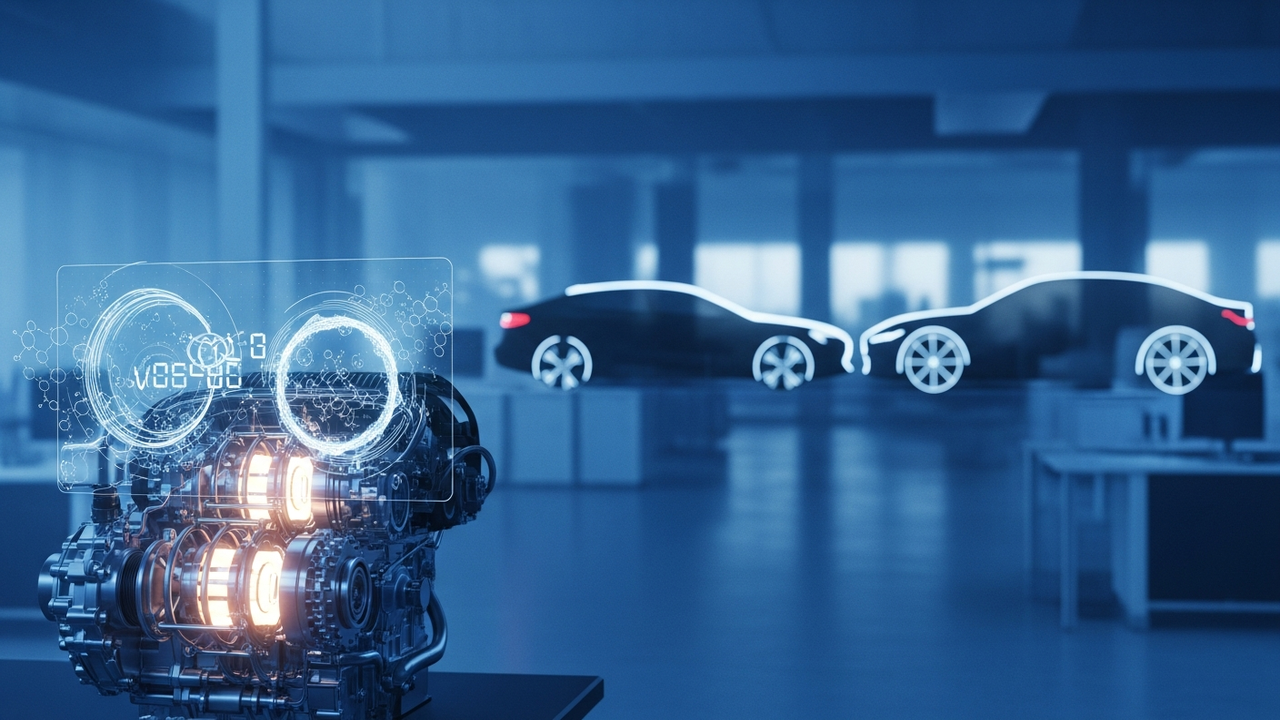
Toyota and BMW have announced a renewed collaboration for the pioneering ‘Vehicle Running Exclusively on Eligible Fuels (VEEF)’ project, utilizing carbon-neutral gasoline. This partnership aims to reduce carbon emissions from existing internal combustion engine (ICE) vehicles and explore the potential of renewable gasoline (e-fuel) as a viable alternative. Both companies also continue to heavily invest in hydrogen fuel cell technology, pursuing a multi-faceted approach to decarbonized mobility.
Technical & Operational Details
In the initial phase of the VEEF project, a fleet of 20 vehicles from both manufacturers will be deployed for extensive real-world testing, running exclusively on carbon-neutral gasoline. This e-fuel is produced from renewable electricity, captured CO2 from the atmosphere, or biomass, aiming for net-zero carbon emissions across its entire lifecycle. A significant advantage of e-fuels is their compatibility with existing gasoline vehicles, enabling immediate emission reductions with minimal changes to fuel infrastructure. The project will rigorously evaluate the e-fuel’s impact on engine performance, fuel efficiency, durability, and emissions profile. Concurrently, both companies continue their collaboration on hydrogen fuel cell vehicle development, focusing on advancements in thermal management, hydrogen storage, and overall system efficiency.
Background & Industry Context
While the automotive industry’s shift towards electric vehicles (EVs) is accelerating, billions of ICE vehicles still exist globally, making their decarbonization an urgent challenge. Toyota and BMW share a common understanding that EVs alone cannot address all mobility needs and have long advocated for exploring diverse solutions like e-fuels and hydrogen fuel cells. This partnership not only contributes to reducing emissions from the existing vehicle fleet but also reflects both companies’ strategic approach to pursuing multiple technological pathways for future mobility.
Future Outlook
The VEEF project by Toyota and BMW will serve as a crucial benchmark for clarifying the role e-fuels can play in the automotive industry’s decarbonization efforts. Data gathered from the real-world testing will likely influence the commercialization of e-fuels and the direction of future policy support. In the long term, e-fuels hold potential for decarbonizing other hard-to-abate sectors such as aviation and shipping. Furthermore, the continued investment by both companies in hydrogen fuel cell technology ensures diversity in future zero-emission mobility and provides consumers with a wider range of choices. This collaboration underscores that the automotive industry is seeking broad solutions for a sustainable future rather than relying on a single technological path.
Source: https://carbuzz.com/toyota-bmw-renewable-gasoline-test-july-2026/
Get our weekly technology intelligence — free
Receive an infographic that lets you judge at a glance whether each field’s analysis report is worth reading.
Subscribe Free — Weekly Tech Intelligence
By subscribing, you’ll receive Troy-Technical’s weekly technology intelligence newsletter.
- Your email and selected fields are used only to deliver the newsletter.
- We never share your information with third parties.
- You can unsubscribe anytime via the link in each email.
See our Privacy Policy for details.
Takes about a minute · Unsubscribe anytime



Comments