
Key Findings
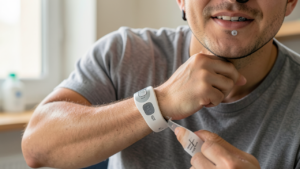
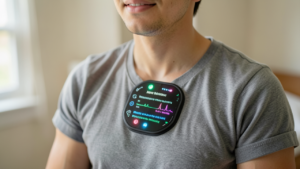
Novagard designs and manufactures high-performance silicone solutions for medical devices, including wearable biosensor patches, ensuring compliance with ISO 10993 biocompatibility standards. These silicone materials are essential for guaranteeing the safety and reliability of on-body monitoring electronics that continuously collect various biosignals such as ECG, body temperature, motion, respiration, glucose, and sweat analytes.
Technical and Clinical Details
Novagard’s silicone products are considered ideal materials for wearable medical devices due to their superior physical properties and biocompatibility. Specifically, they offer high adhesion to the skin and flexibility that maintains comfort even during prolonged wear. They also provide excellent barrier functions against sweat, body fluids, and external moisture, protecting sensitive internal electronic components. The company’s electronics-grade silicones have passed stringent international biocompatibility tests, including ISO 10993-5 (cytotoxicity) and ISO 10993-10 (skin sensitization and irritation), certifying their safe use in medical devices intended for human contact. This ensures stable sensor performance while minimizing the risk of allergic reactions and skin irritation.
Background and Industry Context
The wearable biosensor market has rapidly expanded in recent years, driven by the increasing importance of preventive medicine and personal healthcare. These devices are crucial for early detection and continuous monitoring of chronic conditions such as heart disease, diabetes, and sleep disorders. However, as devices that remain in contact with the skin for extended periods, the safety, comfort, and durability of their materials are paramount. Novagard’s provision of silicone solutions that meet these stringent requirements is a critical factor in enhancing the quality and widespread adoption of wearable medical devices. Ensuring biocompatibility is also a fundamental requirement for obtaining regulatory approval for medical devices.
Strategic Significance and Outlook
Novagard’s high-performance silicone solutions are expected to further accelerate the development of next-generation wearable biosensors. In the future, thinner, more flexible, and even more multi-functional sensor patches are anticipated, enabling greater wearing comfort and a wider range of physiological monitoring. With advancements in telemedicine and preventive care, the application scope will broaden to include chronic disease management at home, athletic performance enhancement, and general consumer health management. Novagard is expected to continue playing a crucial role as a foundational material supplier supporting the evolution of such medical technologies.
Source: https://novagard.com/markets/medical/
Get our weekly technology intelligence — free
Receive an infographic that lets you judge at a glance whether each field’s analysis report is worth reading.
Subscribe Free — Weekly Tech Intelligence
By subscribing, you’ll receive Troy-Technical’s weekly technology intelligence newsletter.
- Your email and selected fields are used only to deliver the newsletter.
- We never share your information with third parties.
- You can unsubscribe anytime via the link in each email.
See our Privacy Policy for details.
Takes about a minute · Unsubscribe anytime






Comments