
Key Findings
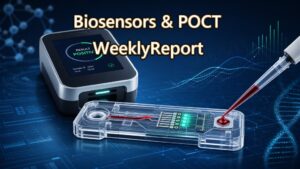
In a groundbreaking research effort, scientists have developed a novel bio-based strategy utilizing chitosan hydrogel to dramatically improve the stability of red blood cell membranes within biosensors. This technique not only enhances the selectivity and stability of the biosensor but also improves electrical conductivity through the incorporation of carboxylated multi-walled carbon nanotubes (MWCNTs). Experimental validation demonstrated exceptional stability, with the newly developed biosensor retaining 85.8% of its initial electrochemical response after seven days of continuous operation. This highly stable and sensitive platform successfully detected organophosphate pesticides in real agricultural samples, presenting significant application potential for food safety and environmental monitoring.
Technical & Clinical Details
- Role of Chitosan Hydrogel: Chitosan hydrogel, known for its excellent biocompatibility, provides a three-dimensional structure that effectively immobilizes and protects red blood cell membranes. This overcomes a key challenge of instability in biorecognition elements faced by conventional biosensors, thereby improving the sensor’s long-term reliability.
- Integration of Carboxylated MWCNTs: Carboxylated multi-walled carbon nanotubes, with their high electrical conductivity and large surface area, facilitate signal transduction and significantly enhance the detection sensitivity of the biosensor. The carboxyl groups also increase binding sites for biomolecules, strengthening specific recognition capabilities.
- Exceptional Stability: The result of maintaining 85.8% of the initial response after seven days of continuous testing indicates that this biosensor possesses high durability suitable for long-term use in real-world environments, making it highly advantageous for continuous on-site monitoring.
- Organophosphate Pesticide Detection: This platform successfully detected organophosphate pesticides, which are widely used in agriculture. This makes it a powerful tool for rapid and accurate detection of pesticide residues in food and water source contamination, significantly contributing to public health and environmental protection.
Background & Industry Context
In contemporary society, food safety and environmental quality are paramount concerns from public health and sustainability perspectives. Specifically, the residues of chemical substances such as pesticides and antibiotics pose significant health risks and adverse ecological impacts. Current detection methods are often time-consuming and costly, necessitating rapid on-site screening tools. The development of highly stable and sensitive biosensors, like the one described in this research, addresses these challenges by enabling real-time monitoring, thereby supporting early detection and rapid response to contamination incidents.
Strategic Significance & Outlook
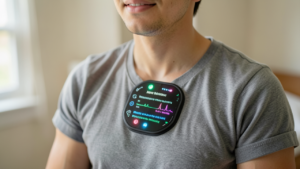
This chitosan hydrogel-based red blood cell sensor technology holds promise for broad applications in food safety, environmental monitoring, and even clinical diagnostics. Particularly, its integration into wearable sensors and IoT devices will enable real-time and continuous monitoring, contributing to solving diverse societal challenges ranging from individual health management to large-scale environmental surveillance. In the future, this platform is expected to be expanded for the detection of other toxins and pathogens, becoming an indispensable technology for realizing a safer and healthier society.
Source: https://www.miragenews.com/chitosan-hydrogel-boosts-red-blood-cell-sensors-1250567/
Get our weekly technology intelligence — free
Receive an infographic that lets you judge at a glance whether each field’s analysis report is worth reading.
Subscribe Free — Weekly Tech Intelligence
By subscribing, you’ll receive Troy-Technical’s weekly technology intelligence newsletter.
- Your email and selected fields are used only to deliver the newsletter.
- We never share your information with third parties.
- You can unsubscribe anytime via the link in each email.
See our Privacy Policy for details.
Takes about a minute · Unsubscribe anytime


Comments