Key Findings
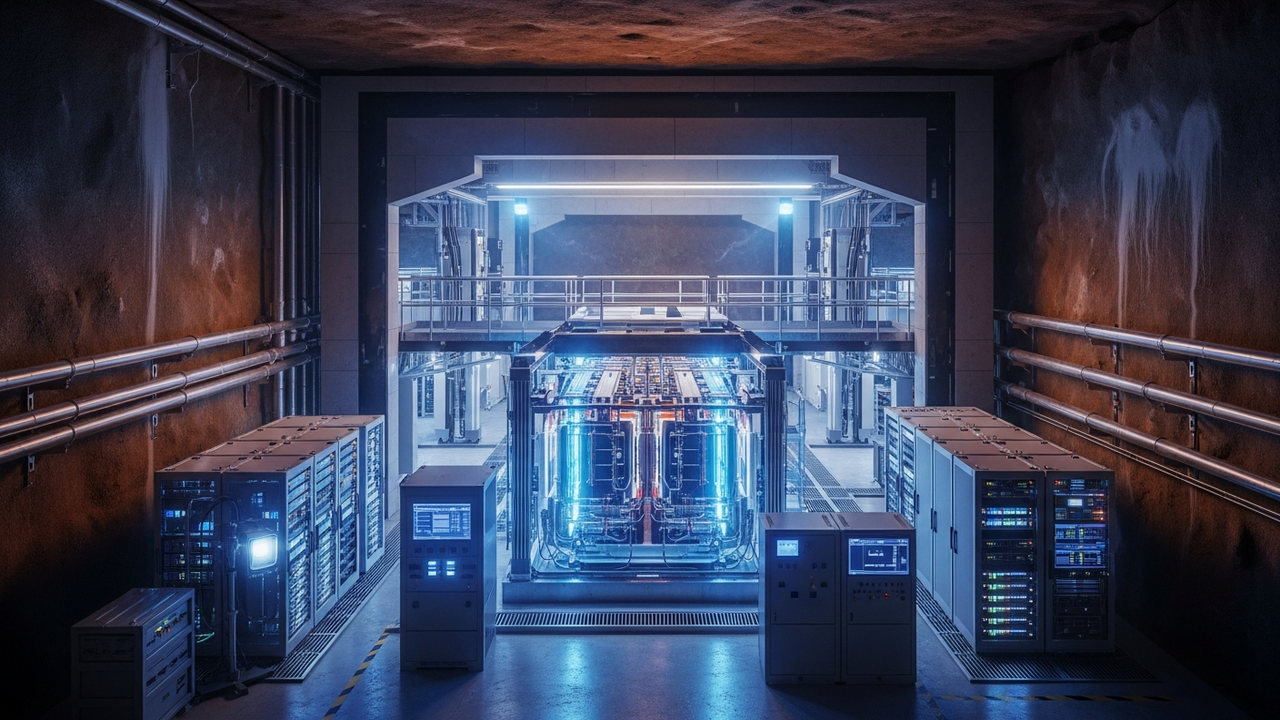
An energy group in Beijing successfully operated a stationary all-solid-state battery system underground within a heating network for over a year, demonstrating remarkable stability in extreme industrial conditions. This project validated the battery’s robust performance at temperatures up to 85°C and 95% humidity, highlighting the high environmental tolerance of solid-state battery technology for future widespread applications. The system leverages first-generation solid-state battery technology developed by Pure Lithium New Energy.
Technical and Clinical Details
The demonstrated all-solid-state battery system was installed within the underground heating network, subjecting it to severe environmental stress. Its ability to maintain stable operation for a full year under high-temperature and high-humidity conditions, where conventional battery systems often experience performance degradation, underscores the inherent robustness and reliability of solid-state batteries. Specifically, the technology, which Pure Lithium New Energy introduced for e-bike battery swap networks in 2025, has now proven its reliability in stationary applications. However, detailed specifics on battery chemistry, energy capacity, degradation data, and cycle life performance were not disclosed.
Background and Industry Context
Solid-state batteries are anticipated to offer significant improvements over existing lithium-ion batteries in terms of safety, longevity, and potential for higher energy density, garnering interest for both EV and stationary energy storage applications. The Beijing demonstration provides crucial data affirming the viability of solid-state batteries for stationary markets, particularly in harsh environments. Yet, their application in EVs demands significantly higher energy density, reduced manufacturing costs, and guaranteed long-term durability and fast-charging capabilities that differ from stationary requirements. China’s new solid-state battery standard, enacted in July 2026, sets clear definitions and requirements for technology development, including for EVs, aiming to provide a unified framework for the industry.
Strategic Significance and Outlook
While the success in stationary applications bolsters confidence in solid-state battery technology, significant challenges remain for widespread EV integration. For automotive use, these batteries must achieve substantially higher energy density and cost parity or superiority with current lithium-ion batteries. The new Chinese national standard will guide future R&D, clarifying the distinctions between true all-solid-state and hybrid solid-liquid batteries, thereby fostering healthy industry development. Moving forward, R&D efforts are expected to adopt differentiated approaches for stationary and EV markets, delivering optimal solutions tailored to specific market needs.
Get our weekly technology intelligence — free
Receive an infographic that lets you judge at a glance whether each field’s analysis report is worth reading.
Subscribe Free — Weekly Tech Intelligence
By subscribing, you’ll receive Troy-Technical’s weekly technology intelligence newsletter.
- Your email and selected fields are used only to deliver the newsletter.
- We never share your information with third parties.
- You can unsubscribe anytime via the link in each email.
See our Privacy Policy for details.
Takes about a minute · Unsubscribe anytime






Comments