Key Findings
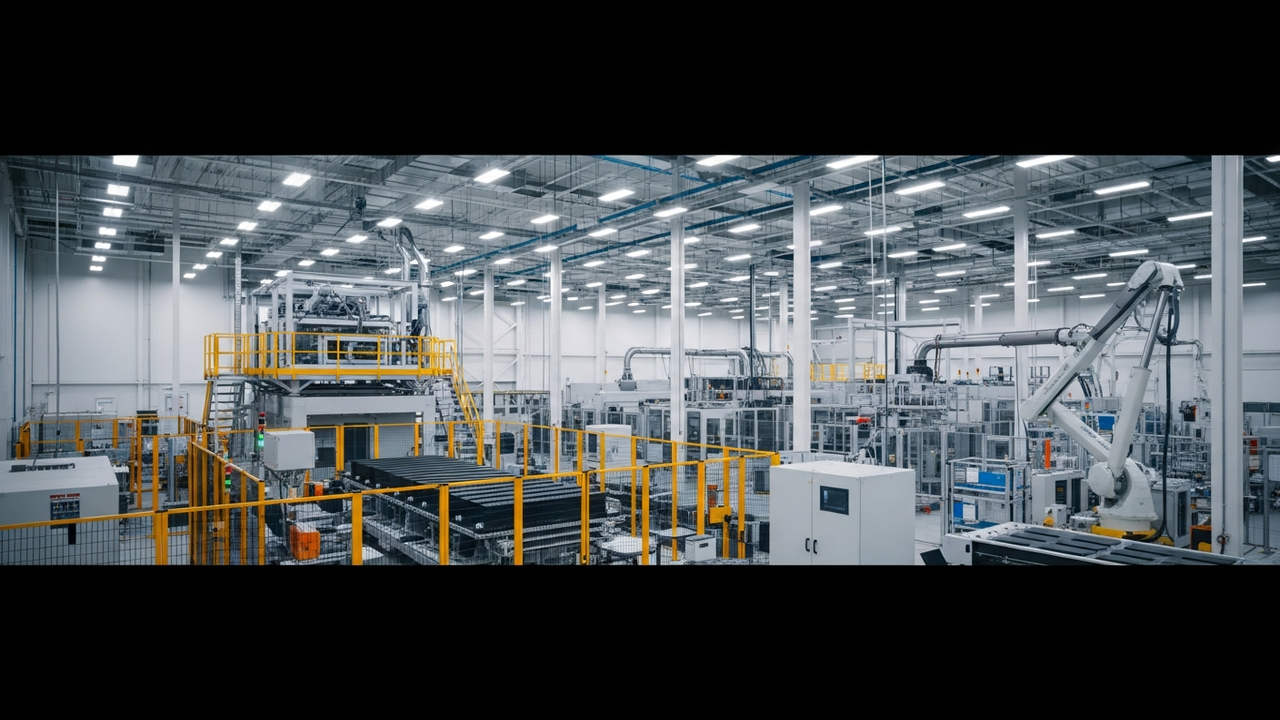
Sila, a pioneering startup in next-generation battery materials, announced the completion of a $300 million funding round aimed at expanding its advanced manufacturing facility in Moses Lake, Washington. These funds will be instrumental in scaling up production of Sila’s innovative silicon-carbon anode materials, addressing the growing demand in the electric vehicle (EV) and consumer electronics markets.
Technical and Clinical Details
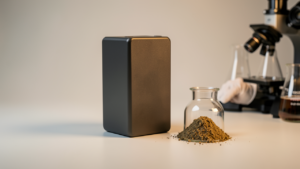
Sila’s core innovation lies in its silicon-carbon composite material, designed to replace graphite traditionally used in lithium-ion battery anodes. Silicon theoretically boasts an approximate 10-fold greater capacity for lithium-ion storage compared to graphite. By integrating this material, Sila can significantly boost battery energy density. The company’s technology is reported to increase energy capacity by up to 20% over existing lithium-ion batteries and also accelerate charging speeds. This silicon-carbon anode material pushes the performance limits of lithium-ion batteries, contributing to extended EV ranges and longer battery life for mobile devices like smartphones.
Background and Industry Context
The rapid proliferation and performance demands of electric vehicles are driving an escalating need for higher battery energy density and faster charging capabilities. Material technology startups like Sila are at the forefront of fundamental battery performance improvements, with their innovations shaping the competitiveness of the entire industry. Sila has raised over $1.3 billion to date and, with a valuation of approximately $2 billion, stands as a prominent unicorn in the next-generation battery materials market. This latest funding round demonstrates investor confidence in the company’s manufacturing scale-up potential, highlighting the growing expectation for material breakthroughs as existing battery technologies approach saturation.
Strategic Significance and Outlook
With this $300 million investment, Sila will accelerate the expansion of its Moses Lake plant, reinforcing its supply chain for high-performance silicon-carbon anode materials. This move could hasten the market introduction of EVs and consumer electronics powered by Sila’s technology. The company’s approach offers an alternative pathway to battery performance enhancement, distinct from all-solid-state battery development, ensuring that the broader EV industry benefits from a diverse range of evolving battery technologies. Moving forward, Sila’s materials are expected to be adopted by a wider array of battery manufacturers and automakers, setting new standards for electric vehicle range and performance.
Get our weekly technology intelligence — free
Receive an infographic that lets you judge at a glance whether each field’s analysis report is worth reading.
Subscribe Free — Weekly Tech Intelligence
By subscribing, you’ll receive Troy-Technical’s weekly technology intelligence newsletter.
- Your email and selected fields are used only to deliver the newsletter.
- We never share your information with third parties.
- You can unsubscribe anytime via the link in each email.
See our Privacy Policy for details.
Takes about a minute · Unsubscribe anytime


Comments