Key Findings
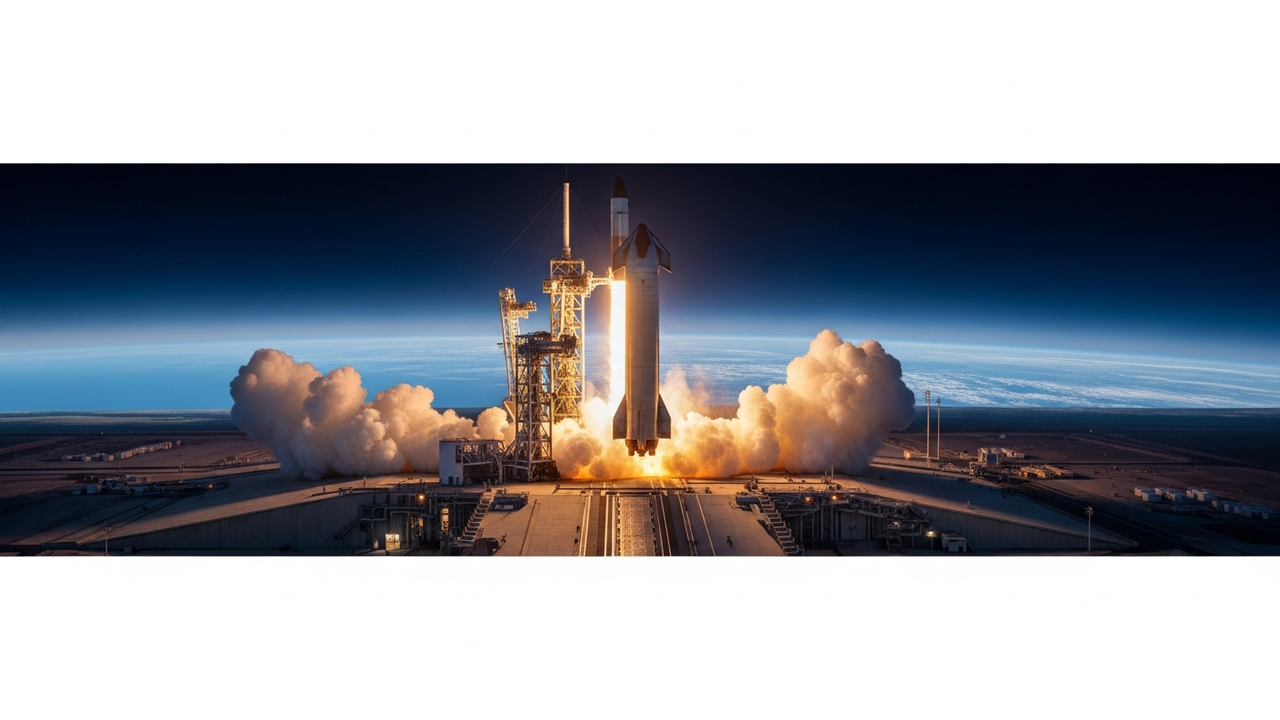
SpaceX is preparing for the re-attempt of the 13th integrated test flight of its massive Starship rocket system on July 24, 2026. The primary objective of this crucial test flight is to demonstrate the successful and clean separation of the Super Heavy booster from the Starship upper stage, followed by the booster’s precise attitude control, re-ignition of multiple engines, and a controlled splashdown in a designated area of the Gulf of Mexico.
Test Details and History
The 13th test flight was initially scheduled for July 16 but was halted due to issues with the ignition of some Super Heavy booster engines. A subsequent attempt on July 23 was also delayed by adverse weather conditions, leading to the current re-attempt on July 24. SpaceX has been conducting iterative orbital flight tests to rigorously validate the full functionality and reliability of the Starship system. The booster’s landing capability, in particular, is one of the most vital elements for establishing the rocket’s full reusability and dramatically reducing launch costs. Previous tests have encountered various challenges during booster separation, engine startup, and landing procedures, and this upcoming test aims to overcome these hurdles and collect essential data for further refinement.
Background & Industry Context
The SpaceX Starship program is not only geared towards eventually transporting humans to the Moon and Mars but also fundamentally transforming the economics of payload delivery to Earth orbit. The realization of a fully reusable rocket system, which allows for repeated operation much like an aircraft, promises significantly lower space access costs compared to traditional expendable rockets. Starship is designed to possess the largest launch and payload capacity in history, making it suitable for diverse missions such as deploying Starlink satellites and supporting lunar landing missions under the Artemis program. The success of this technology holds the potential to unlock new markets in space tourism, resource extraction, and even point-to-point terrestrial travel.
Strategic Significance & Outlook
The success of this upcoming test flight is indispensable for Starship to prove its viability as a fully reusable system. If controlled booster splashdown is achieved, SpaceX will be able to offer more frequent and cost-effective space transportation services, fundamentally reshaping the competitive landscape of the global space industry. Based on the data acquired from this test, SpaceX plans to implement further refinements as it progresses towards operational readiness. The future advancements of Starship represent a globally watched milestone directly impacting the acceleration of overall space development, with implications for a wide range of industries.
Source: #
Get our weekly technology intelligence — free
Receive an infographic that lets you judge at a glance whether each field’s analysis report is worth reading.
Subscribe Free — Weekly Tech Intelligence
By subscribing, you’ll receive Troy-Technical’s weekly technology intelligence newsletter.
- Your email and selected fields are used only to deliver the newsletter.
- We never share your information with third parties.
- You can unsubscribe anytime via the link in each email.
See our Privacy Policy for details.
Takes about a minute · Unsubscribe anytime







Comments