Key Findings: CHOP Initiates First Human Trial for PHOX2B-Derived Peptide-Targeting PC-CAR T-Cell Therapy in Pediatric Solid Tumors
Researchers at the Children’s Hospital of Philadelphia (CHOP) are making significant strides in developing CAR T-cell therapies for pediatric solid tumors, particularly recurrent neuroblastoma, a notoriously difficult area to treat. Of particular note is the first-ever human clinical trial evaluating a ‘peptide-centric’ (PC-CAR) CAR T-cell therapy designed to specifically target peptides derived from the PHOX2B gene. Furthermore, another CAR T therapy targeting Glypican 2 (GPC2) is close to completing its Phase I enrollment, building a robust pipeline for creating new treatment options for pediatric solid tumors.
Technical and Clinical Details: Novel Targets and CAR Designs to Overcome Solid Tumor Challenges
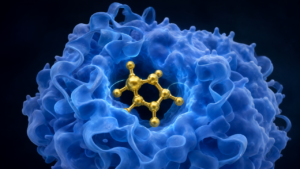
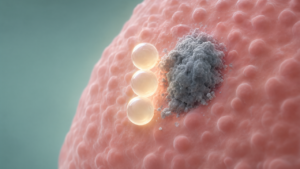
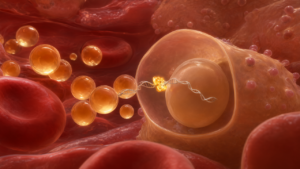
- Innovations in PHOX2B PC-CAR: PHOX2B is a transcription factor overexpressed in neuroblastoma, which has historically been difficult to target directly as a cell surface antigen. CHOP researchers have designed PC-CAR T-cells that leverage the mechanism by which specific PHOX2B-derived peptides are presented on the cell surface via major histocompatibility complex (MHC) molecules. This approach opens the door to targeting intracellular antigens that were previously inaccessible to conventional CAR T therapies.
- Promise of GPC2 CAR: Glypican 2 (GPC2) is a cell surface proteoglycan highly expressed in various pediatric solid tumors, including neuroblastoma, making it a highly promising therapeutic target. A CAR T-cell therapy targeting GPC2 is currently in Phase I trials, and its safety and initial efficacy data are eagerly anticipated.
- Barriers in Solid Tumor Treatment: Solid tumors present unique challenges for CAR T-cell therapy compared to hematologic cancers, including a complex tumor microenvironment (TME), antigen heterogeneity, and poor homing of CAR T-cells to tumor tissues, leading to limited therapeutic efficacy. CHOP’s research focuses on identifying new targets and designing CARs to overcome these barriers.
Background and Industry Context: Unmet Needs in Pediatric Cancer Treatment
Pediatric cancers, due to their rarity, often suffer from delayed treatment development. In particular, recurrent and refractory solid tumors present a significant unmet need with limited effective treatment options. CHOP, as a specialized pediatric hospital, leading the forefront of CAR T-cell therapy research, is critically important for the advancement of this field. These studies not only hold the potential to dramatically improve the prognosis for pediatric cancer patients but also suggest applicability to adult solid tumor treatments.
Future Outlook: Validation of Safety and Efficacy, and Broad Applications
Safety and initial efficacy data from the ongoing Phase I clinical trials will be essential for evaluating the future potential of these novel PC-CAR and GPC2 CAR T-cell therapies. Further research is particularly needed on the function, infiltration capacity, and long-term persistence of CAR T-cells within the solid tumor microenvironment. If these promising results are confirmed, they could fundamentally change the treatment paradigm for pediatric solid tumors, with potential future expansion to adult solid tumors. CHOP’s efforts are poised to play a crucial role in pioneering the next frontier of CAR T-cell therapy.
Get our weekly technology intelligence — free
Receive an infographic that lets you judge at a glance whether each field’s analysis report is worth reading.
Subscribe Free — Weekly Tech Intelligence
By subscribing, you’ll receive Troy-Technical’s weekly technology intelligence newsletter.
- Your email and selected fields are used only to deliver the newsletter.
- We never share your information with third parties.
- You can unsubscribe anytime via the link in each email.
See our Privacy Policy for details.
Takes about a minute · Unsubscribe anytime