Background
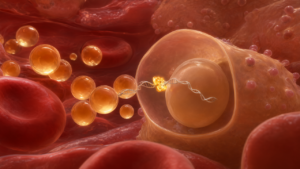
Cell therapies offer profound therapeutic potential for a wide array of severe diseases. However, their widespread adoption has been hindered by complex manufacturing processes, exorbitant costs, and inherent product variability. Key drivers of these challenges include the necessity for stringent aseptic handling, reliance on highly skilled personnel, and rigorous quality control protocols, all contributing to elevated costs and limited supply. This new collaboration between Hitachi and leading research institutions aims to tackle these technological hurdles directly, propelling the ‘industrialization’ of cell therapeutic products and reshaping the future landscape of medicine.
Key Findings
Hitachi has formalized a new collaborative agreement with prominent research institutions, focusing on the joint development of innovative cell processing technologies. This strategic partnership is poised to substantially elevate the manufacturing efficiency and scalability of next-generation cell therapeutic products.
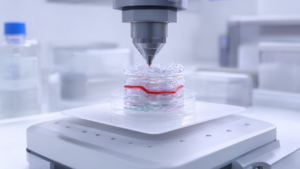
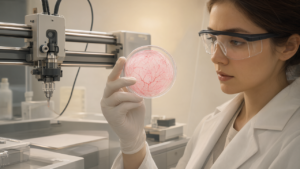
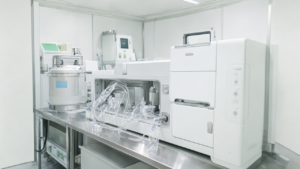
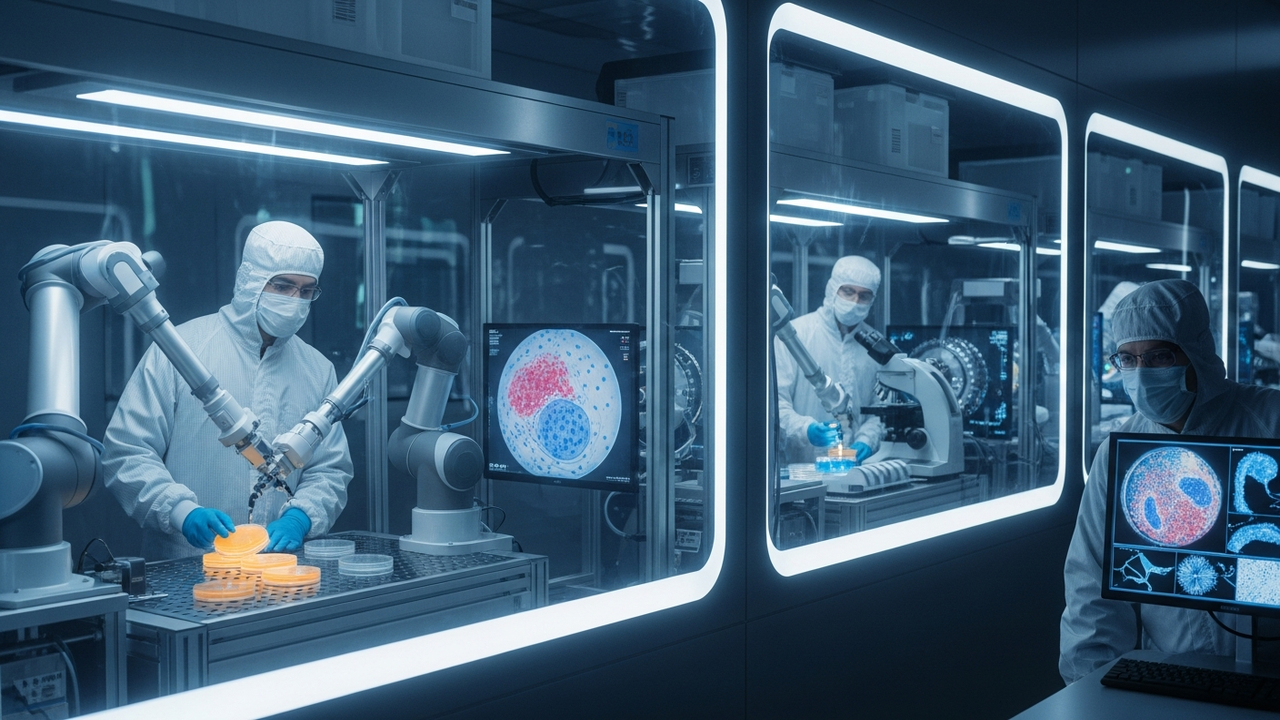
The collaboration synergizes Hitachi’s formidable expertise in automation and information technology with the research institutions’ deep knowledge in cell biology and regenerative medicine. This initiative will specifically embed AI-powered quality control systems and advanced robotics automation into critical stages of cell therapy manufacturing. These stages encompass the differentiation of pluripotent stem cells—such as iPS and ES cells—into specific functional cell types, alongside large-scale cultivation, separation, and purification of therapeutic cells. This automated approach is projected to significantly outperform conventional manual methods by enhancing cell viability, improving functional retention rates, and ensuring superior lot-to-lot consistency. Ultimately, this innovation aims to substantially reduce manufacturing costs, decrease therapeutic pricing, and cultivate a globally accessible environment for patients.
The emergent technologies from this partnership are expected to standardize cell therapy manufacturing, laying a crucial foundation for more affordable and consistent supply. Looking ahead, these advancements are anticipated to be broadly applied to cell therapies for a diverse range of diseases, introducing novel treatment paradigms for conditions presently deemed intractable. Beyond direct therapeutic impact, the improved manufacturing efficiency is also expected to catalyze further investment in new therapeutic R&D, thereby accelerating the overall progression of the regenerative medicine field.
Source: #
Get our weekly technology intelligence — free
Receive an infographic that lets you judge at a glance whether each field’s analysis report is worth reading.
Subscribe Free — Weekly Tech Intelligence
By subscribing, you’ll receive Troy-Technical’s weekly technology intelligence newsletter.
- Your email and selected fields are used only to deliver the newsletter.
- We never share your information with third parties.
- You can unsubscribe anytime via the link in each email.
See our Privacy Policy for details.
Takes about a minute · Unsubscribe anytime