Key Findings
BioCentury has published a detailed analytical article focusing on the commercialization strategies faced by companies developing gene-edited hematopoietic stem cell (HSC) therapies. The article highlights high treatment costs, manufacturing complexity, and reimbursement challenges as primary barriers to bringing these innovative therapies to market.
Technical / Clinical Details
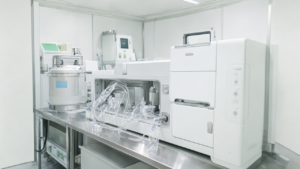
Gene-edited HSC therapies offer potential curative approaches for various severe conditions, including inherited blood disorders (e.g., sickle cell disease, beta-thalassemia) and immunodeficiency syndromes. This therapy involves collecting a patient’s own HSCs, genetically editing disease-causing genes ex vivo using technologies like CRISPR-Cas9, and then reinfusing the modified cells into the patient. However, the individualized nature of this process, complex cell manipulation, and stringent quality control requirements drive up manufacturing costs, leading to treatment prices ranging from millions to hundreds of millions of dollars. The BioCentury article emphasizes that companies are addressing these challenges by focusing on manufacturing process automation, adopting scale-up technologies, and developing real-time quality control systems.
Background & Context
While gene-edited HSC therapies have garnered significant attention for their profound therapeutic effects, they face unique commercialization challenges. Particularly, the high cost of a one-time treatment necessitates urgent resolution of issues related to alignment with reimbursement systems and ensuring equitable patient access. In many countries, payment models and evaluation criteria for expensive innovative therapies are still under development. Corporate commercialization strategies thus require multifaceted approaches, including building evidence for cost-effectiveness, negotiating risk-sharing agreements, and establishing specialized reimbursement schemes for breakthrough therapies.
Strategic Significance & Outlook
BioCentury’s analysis underscores critical challenges that the industry must overcome for gene-edited HSC therapies to become a cornerstone of next-generation medicine. Reducing manufacturing costs and clearly demonstrating cost-effectiveness will be key to securing widespread market access. In the future, it is expected that more efficient manufacturing technologies and innovative reimbursement models will enable these life-changing therapies to reach a greater number of patients. Strategic corporate initiatives, alongside cooperation from regulatory bodies and payers, are indispensable for the sustained growth of this sector.
Source: #
Get our weekly technology intelligence — free
Receive an infographic that lets you judge at a glance whether each field’s analysis report is worth reading.
Subscribe Free — Weekly Tech Intelligence
By subscribing, you’ll receive Troy-Technical’s weekly technology intelligence newsletter.
- Your email and selected fields are used only to deliver the newsletter.
- We never share your information with third parties.
- You can unsubscribe anytime via the link in each email.
See our Privacy Policy for details.
Takes about a minute · Unsubscribe anytime