Background
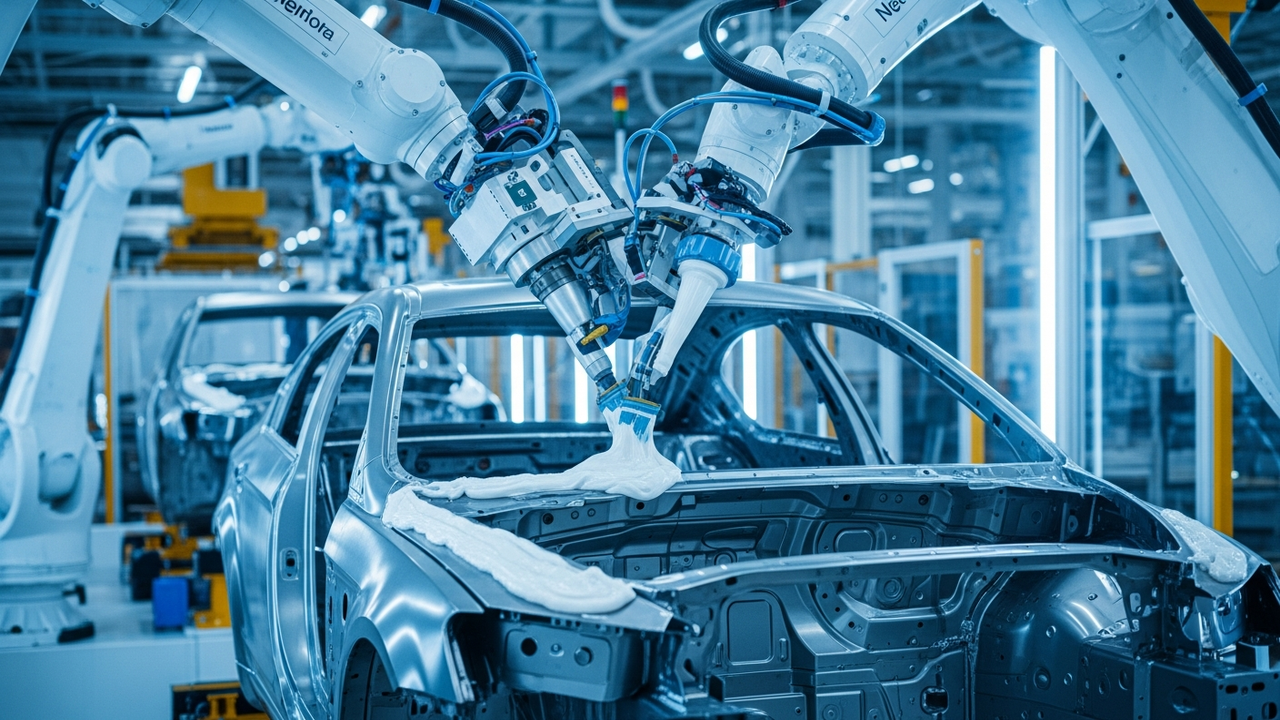
The automotive industry is in constant pursuit of innovation to meet stringent demands for fuel efficiency, enhanced safety, and the transition to electric powertrains. Achieving significant vehicle lightweighting is paramount to these objectives, driving a need for advanced joining technologies that surpass traditional welding and mechanical fastening methods. In particular, for Body-in-White (BIW) structures—the foundational framework of a vehicle—adhesive bonding offers substantial advantages, including improved strength, reduced noise and vibration, and greater design flexibility.
Key Findings / Results
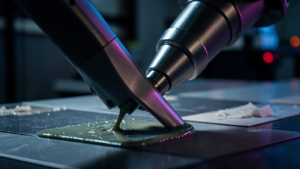
In response to these industry requirements, Henkel has launched the Teroson EP 52 Series, an advanced structural adhesive. This heat-curing, solvent-free, one-component adhesive is engineered for seamless integration into automotive BIW production lines. A primary characteristic of the Teroson EP 52 Series is its exceptional structural performance; it forms high-strength bonds that augment the overall rigidity of the car body, thereby contributing to both crash safety and driving stability. Tests demonstrate its capacity to withstand the dynamic stresses of vehicle operation while maintaining bond integrity.
Furthermore, the adhesive delivers superior vibration damping capabilities. By effectively absorbing minute vibrations within the vehicle structure, it significantly reduces interior noise levels, enhancing occupant comfort across various driving conditions. Its robust formulation ensures high temperature resistance and resilience against common automotive cleaning agents, thereby preserving its performance throughout the vehicle’s lifespan. The solvent-free nature of the adhesive also aligns with environmental regulations, promoting lower volatile organic compound (VOC) emissions and safer working conditions in manufacturing facilities.
Technical Significance & Outlook
The introduction of the Teroson EP 52 Series signifies a critical advancement in automotive bonding technology. This adhesive enables robust joining of diverse materials, including dissimilar metals and composites, fostering the design and production of more complex and lighter multi-material structures. Such lightweighting directly translates to improved fuel economy for internal combustion engine vehicles and extended range for electric vehicles. The enhanced vibration and noise reduction also elevates the driving experience, benefiting both luxury and mass-market vehicle segments.
From a broader perspective, advanced adhesives like the Teroson EP 52 Series are instrumental tools for automotive manufacturers transitioning towards more sustainable production processes. The reduction in solvent emissions supports compliance with environmental regulations and reinforces corporate social responsibility initiatives. This product is poised to be a cornerstone for realizing safer, lighter, and more comfortable vehicles in the evolving landscape of future mobility solutions.


Comments