Key Findings
With the abstract submission deadline of August 16, 2026, fast approaching, the 7th International Congress on Biosensors, “BIOSENSOR 2026,” has officially released its “Topics of Interest” for the upcoming conference. This comprehensive list outlines the most current and impactful research areas within the biosensing field, ranging from Lab-on-a-chip and nanobiosensors to mobile diagnostics, and extending to advanced themes like proteomics for cancer cell detection and single-cell analysis.
Technical / Clinical Details
The announced topics clearly delineate the current evolutionary trajectory of biosensor technology. Key themes include:
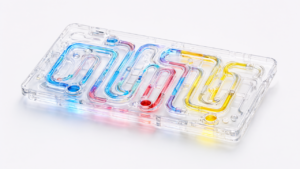
- Lab-on-a-chip and Microfluidics: Enabling rapid and efficient analysis with minimal sample volumes, contributing to reduced diagnostic costs and increased throughput.
- Mobile Diagnostics and Personal Health: Facilitating health monitoring and diagnosis at home or in remote locations through integration with smartphones and portable devices, thereby enhancing healthcare accessibility.
- Nanobiosensors: Leveraging nanomaterials to achieve highly sensitive and specific detection at the molecular level.
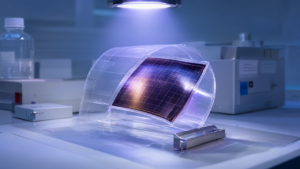
- Wearable and Implantable Sensors: Providing continuous physiological monitoring, essential for chronic disease management and preventive healthcare.
- Proteomics including Cancer Cell Detection: Aiming to improve the accuracy of early diagnosis and treatment efficacy monitoring through comprehensive analysis of proteins as cancer biomarkers.
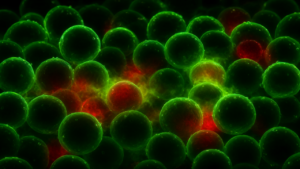
- Single-Cell Analysis: Deciphering the complex mechanisms of diseases by analyzing heterogeneity at the individual cell level, leading to more personalized therapeutic approaches.
- Environmental and Food Biosensors: Contributing to public health and safety through rapid detection of environmental pollutants and foodborne pathogens.
These topics reflect the cutting edge of current research and development aimed at enhancing diagnostic precision, real-time capabilities, and non-invasiveness.
Background & Context
Biosensor technology continues to expand its application possibilities across diverse fields, including healthcare, environmental science, and food safety. The advent of the digital health revolution and personalized medicine has particularly accelerated the demand for next-generation biosensors that are smaller, more sensitive, and integrate AI for data analysis. BIOSENSOR 2026, as a central international conference in this evolution, serves as a crucial platform where researchers, engineers, clinicians, and industry leaders from around the globe converge to share knowledge and foster new collaborative opportunities.
Strategic Significance & Outlook
The Topics of Interest to be discussed at BIOSENSOR 2026 will be instrumental in defining the future trajectory of biosensing technology. Particularly, advancements in biosensors for proteomics and single-cell analysis hold significant promise for ultra-early cancer diagnosis and the realization of personalized precision medicine. The widespread adoption of mobile diagnostics and wearable sensors will accelerate the penetration of telemedicine and preventive healthcare, contributing to an overall improvement in societal health. This conference is expected to catalyze technological breakthroughs and provide impetus for the emergence of new products and services, thereby stimulating growth across the entire biosensor industry.
Source: https://biosensor2026.com/topics-of-interest/
Get our weekly technology intelligence — free
Receive an infographic that lets you judge at a glance whether each field’s analysis report is worth reading.
Subscribe Free — Weekly Tech Intelligence
By subscribing, you’ll receive Troy-Technical’s weekly technology intelligence newsletter.
- Your email and selected fields are used only to deliver the newsletter.
- We never share your information with third parties.
- You can unsubscribe anytime via the link in each email.
See our Privacy Policy for details.
Takes about a minute · Unsubscribe anytime