Key Findings
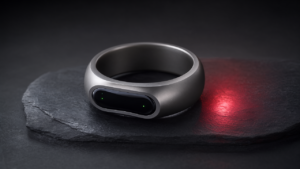
A bioengineer at The University of Texas at Dallas (UT Dallas) is actively engaged in developing an innovative sweat-based sensor, specifically designed to improve sleep quality. This research underscores a growing trend where wearable biosensor technologies are extending their applications beyond conventional disease diagnostics into broader daily health management and wellness domains.
Technical / Clinical Details
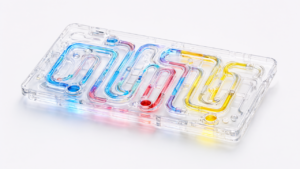
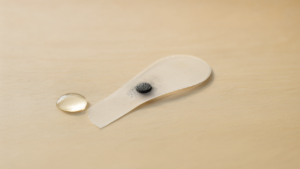
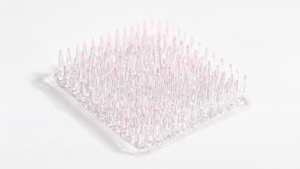
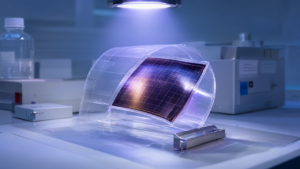
The sweat-based sensor under development aims to non-invasively collect and analyze trace amounts of sweat from the skin in real-time for specific biomarkers. Key biomarkers potentially indicative of sleep quality and related factors include stress hormones (e.g., cortisol), metabolites (e.g., lactate), electrolytes, and even metabolites of neurotransmitters linked to sleep-wake cycles. By continuously monitoring fluctuations in these markers, the sensor could provide personalized insights into sleep patterns, sleep depth, wakefulness, and the intricate relationship between stress levels and sleep quality. For example, detecting spikes in stress hormones or accumulation of certain metabolites during sleep could help identify underlying factors contributing to poor sleep, offering users actionable information to adjust their lifestyle or environment. This technology is realized through the integration of highly sensitive and specific chemical sensor technology with flexible, biocompatible wearable materials.
Background & Context
Sleep deprivation and poor sleep quality are pervasive modern health issues, known to exacerbate the risk of various chronic diseases, including cardiovascular disease, diabetes, and mental health disorders. Traditional sleep monitoring largely relied on clinical methods like polysomnography (PSG), which is expensive and invasive, or simplified methods using accelerometers in smartwatches that lack biochemical insights. Sweat-based sensors offer a promising solution to bridge these gaps by providing non-invasive, continuous monitoring capabilities and biochemical information. Advancements in wearable technology and biosensors are actively extending healthcare from clinical settings into individuals’ daily lives, accelerating the realization of preventative and personalized medicine on a global scale.
Strategic Significance & Outlook
The sweat-based sleep sensor being developed at UT Dallas holds significant potential to enable a personalized approach to improving sleep quality. Future work will focus on further enhancing the sensor’s accuracy, stability, and durability, expanding the range of detectable biomarkers, and refining the user interface and data analysis algorithms. If successfully commercialized, this technology is expected to become a powerful tool for early detection and intervention of sleep disorders, stress management, and overall individual wellness improvement. In the long term, this sensor could be integrated with other wearable devices and digital health platforms to contribute to comprehensive health management for users globally. The ongoing interdisciplinary research by bioengineers, often alongside projects like rare cancer research, highlights the critical role of synergistic approaches in creating next-generation healthcare solutions.
Source: https://news.utdallas.edu/tag/research/
Get our weekly technology intelligence — free
Receive an infographic that lets you judge at a glance whether each field’s analysis report is worth reading.
Subscribe Free — Weekly Tech Intelligence
By subscribing, you’ll receive Troy-Technical’s weekly technology intelligence newsletter.
- Your email and selected fields are used only to deliver the newsletter.
- We never share your information with third parties.
- You can unsubscribe anytime via the link in each email.
See our Privacy Policy for details.
Takes about a minute · Unsubscribe anytime