Key Findings
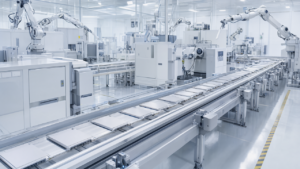
Solid Power, a frontrunner in solid-state battery (SSB) technology development, has been selected for an award negotiation of up to $50 million by the U.S. Department of Energy (DOE). This substantial funding is earmarked for significantly expanding the continuous production capacity of sulfide-based solid electrolyte materials, which are integral to advanced SSBs. Through this multi-year capital expenditure project, Solid Power plans to dramatically increase its annual production capacity from the current 30 metric tons to 75 metric tons by 2026, and further to 140 metric tons by 2028. This move represents a critical step in building out the domestic SSB supply chain in the U.S. and accelerating the commercialization of this transformative technology.
Technical / Clinical Details
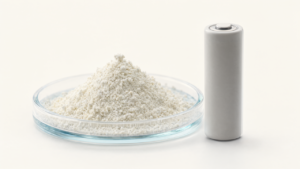
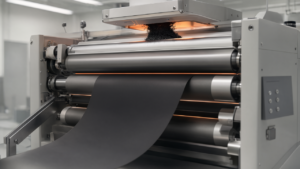
Solid Power’s strategic focus is on sulfide-based solid electrolytes, which are considered crucial for achieving high-energy-density and fast-charging SSBs due to their high ionic conductivity and relatively good mechanical properties. Substantially increasing the continuous production capacity for sulfide electrolytes directly contributes to reducing manufacturing costs and stabilizing supply, thereby addressing a significant bottleneck for the large-scale commercialization of SSBs. The DOE funding will be invested in optimizing and scaling up this manufacturing process, aiming for more efficient and higher-quality electrolyte material production. Solid Power has already forged partnerships with leading automakers and battery manufacturers such as BMW and Samsung SDI, with its technology integrated into their vehicle application evaluation pathways. Furthermore, the company reported its Q1 2026 revenues and grant income, indicating steady progress in its line installation agreement with SK On.
Background & Context
As the global transition to electric vehicles (EVs) accelerates, there is growing anticipation for SSBs to overcome the limitations of conventional liquid lithium-ion batteries in terms of safety, energy density, and charging speed. The U.S. government has prioritized the development of clean energy technologies and the strengthening of domestic manufacturing capabilities as pillars of its national strategy, and the DOE’s support for Solid Power is a direct component of this initiative. This investment is considered a vital measure for the U.S. to maintain international competitiveness in next-generation battery technology and ensure future energy supply stability. While sulfide-based electrolytes are promising in terms of performance, they have presented challenges in manufacturing complexity and moisture sensitivity, making their mass production a significant industry-wide hurdle.
Strategic Significance & Outlook
The expansion of Solid Power’s sulfide solid electrolyte production capacity signifies a major advancement towards the commercialization of SSBs. Production scales of 75 and 140 metric tons will enable supply to initial EV markets, providing a foundation for further cost reduction and technological refinement. This will encourage more automakers to consider adopting SSBs, thereby intensifying market competition. Moreover, the DOE’s support enhances the domestic technology development ecosystem and contributes to job creation. As Solid Power’s technology is integrated into vehicles and gains further validation, SSBs are expected to become widely adopted as an innovative solution not only in the EV industry but also across other energy storage sectors.
Source: https://www.rolltoroll.org/industry-news-post?recordId=recFhU86nRwLg3IMk
Get our weekly technology intelligence — free
Receive an infographic that lets you judge at a glance whether each field’s analysis report is worth reading.
Subscribe Free — Weekly Tech Intelligence
By subscribing, you’ll receive Troy-Technical’s weekly technology intelligence newsletter.
- Your email and selected fields are used only to deliver the newsletter.
- We never share your information with third parties.
- You can unsubscribe anytime via the link in each email.
See our Privacy Policy for details.
Takes about a minute · Unsubscribe anytime