Key Findings
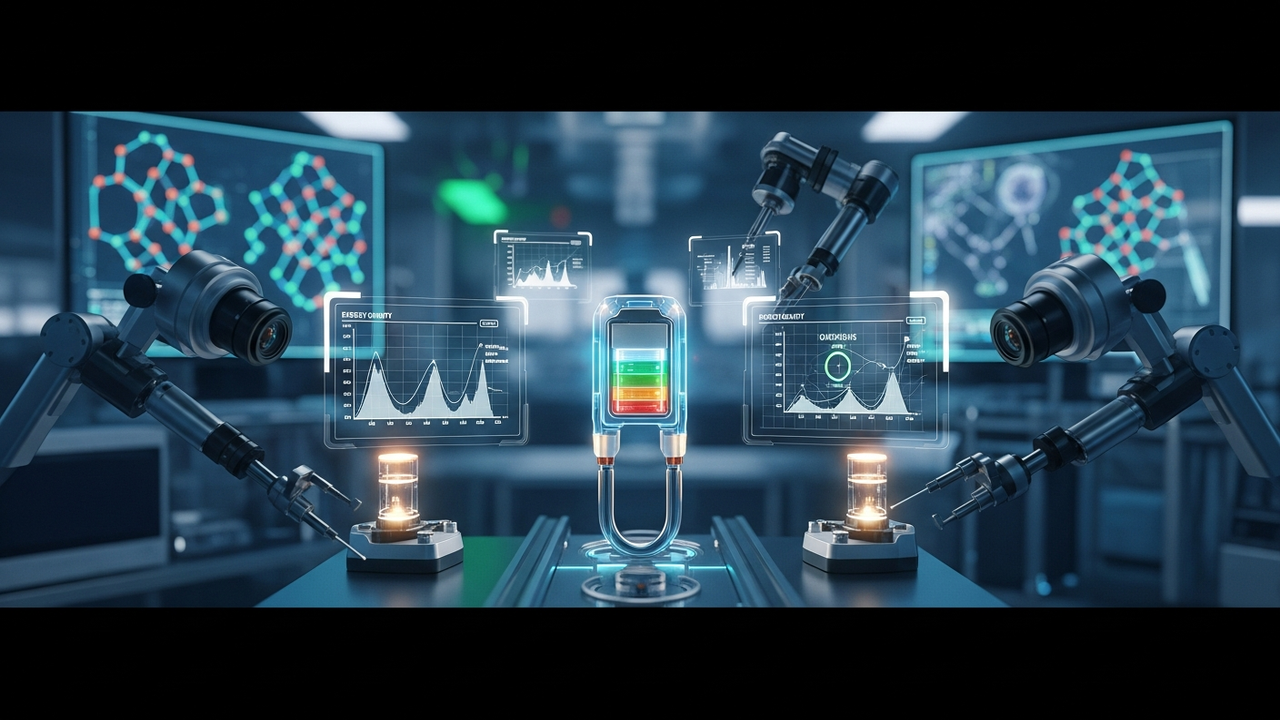
ITEN, a French solid-state energy storage technology company, has announced the launch of “SOLIMED,” a major development program aimed at optimizing high-capacity solid-state batteries for Class III implantable medical devices. This initiative is part of Europe’s Important Project of Common European Interest (IPCEI) Tech4Cure, and it seeks to dramatically enhance the safety and performance of implantable medical devices through innovative battery technology.
Technical / Clinical Details
The SOLIMED project has set ambitious specific development targets:
- Cell Energy Density: Achieving over 600 Wh/L (Watt-hours per liter). This represents a significant increase in energy density compared to current small-format batteries, contributing to the miniaturization of medical devices and extended operational times.
- Cell Capacity: Ensuring a capacity greater than 2 Ah (Ampere-hours). This will enable more power delivery and expanded functionality for medical devices.
- Fast Charging Capability: Rapid charging to recover 80% of capacity within 20 minutes. This will improve patient convenience and reduce maintenance frequency.
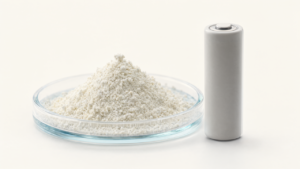
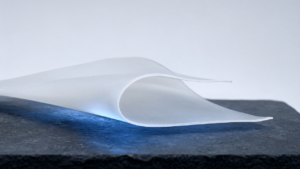
ITEN’s ceramic solid-state batteries entirely eliminate liquid electrolytes and organic materials, thereby completely removing conventional battery safety risks such as thermal runaway and fire. This intrinsic safety is critically important for Class III medical devices, such as pacemakers and neurostimulators, which are implanted directly into the human body and can pose serious risks to patients. Furthermore, solid-state technology enables extended lifespan, reduced self-discharge rates, and stable performance across high and low-temperature environments, significantly boosting the reliability of medical devices.
Background & Context
Implantable medical devices play an indispensable role in life support and improving patients’ quality of life, but their battery life, safety, and charging convenience have always presented challenges. Class III medical devices, in particular, are subject to the most stringent regulations and safety standards due to their potential to cause serious patient harm. ITEN’s SOLIMED project addresses these unmet needs, enabling the development of safer and higher-performing next-generation medical devices through battery technology innovation. Its inclusion in the European IPCEI program signifies recognition of the project’s contribution to Europe’s strategic independence and technological leadership.
Strategic Significance & Outlook
The success of the SOLIMED project holds the potential to revolutionize the implantable medical device market. High-safety, high-energy-density, and fast-charging solid-state batteries will break through current battery technology limitations, enabling new treatment modalities and device designs. This will allow patients to receive safer and more comfortable medical care, and healthcare professionals to utilize more reliable tools. ITEN’s technology is also expected to find applications beyond the medical sector in other high-value niche markets, such as IoT devices and industrial equipment requiring high reliability, expanding the diverse possibilities of solid-state battery technology.
Get our weekly technology intelligence — free
Receive an infographic that lets you judge at a glance whether each field’s analysis report is worth reading.
Subscribe Free — Weekly Tech Intelligence
By subscribing, you’ll receive Troy-Technical’s weekly technology intelligence newsletter.
- Your email and selected fields are used only to deliver the newsletter.
- We never share your information with third parties.
- You can unsubscribe anytime via the link in each email.
See our Privacy Policy for details.
Takes about a minute · Unsubscribe anytime