Key Findings
The U.S. Food and Drug Administration (FDA) approval of vepdegestrant, the first PROTAC (Proteolysis-Targeting Chimera), solidified the clinical success of targeted protein degradation (TPD), an innovative therapeutic modality. However, this breakthrough simultaneously introduces new complexities into the intellectual property landscape surrounding PROTAC technology. The distinctive mechanism of action of PROTACs necessitates unique considerations for patent filing strategies, freedom-to-operate (FTO), inventive step, and claim breadth, differentiating it from traditional small molecule or antibody therapeutics.
Technical / Clinical Details
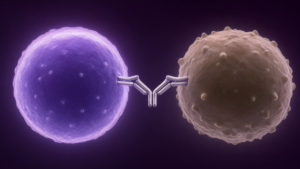
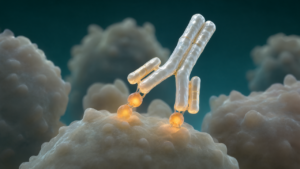
A PROTAC is a heterobifunctional molecule with two functional moieties: one that binds to a disease-causing target protein and another that recruits an E3 ubiquitin ligase enzyme, part of the cell’s natural protein degradation machinery. This ‘induced proximity’ mechanism leads to the ubiquitination and subsequent proteasomal degradation of the target protein, a groundbreaking approach that actively removes rather than merely inhibits the target.
From a patent perspective, this unique mechanism creates complexity. For instance, each step—E3 ligase recruitment, ternary complex formation (PROTAC, target protein, E3 ligase), and optimized degradation efficiency—can be a critical element for claiming inventiveness and novelty. Furthermore, the catalytic nature of PROTACs, allowing a small amount of drug to degrade many target protein molecules, requires different considerations for claim breadth compared to conventional drugs. Unexpected technical effects, such as significantly improved degradation efficiency, higher target selectivity, or superior pharmacokinetic (PK) properties, can serve as powerful evidence to support inventiveness in later patent applications, which is crucial in a competitive field.
Background & Context
Patent protection in drug development is essential for recouping substantial R&D investments and fostering innovation. While PROTAC technology promises breakthroughs in areas with high unmet medical needs, its novelty and complexity have led to a highly crowded and competitive patent landscape. Numerous companies and research institutions are developing PROTAC candidates, with patents already existing at various levels, including fundamental PROTAC structures, specific E3 ligase recruiters, or PROTACs against particular target proteins. Consequently, FTO assessment against existing patents is paramount for new developers aiming to bring products to market.
Strategic Significance & Outlook
The approval of vepdegestrant is expected to further accelerate patenting activity in the TPD field. As technological advancements continue—including the expansion of E3 ligase repertoires, the development of central nervous system (CNS)-penetrant PROTACs, and AI-driven PROTAC design optimization—the number and complexity of patent applications are anticipated to increase. It will be crucial for PROTAC developers to establish strong patent portfolios and navigate competitor patents strategically to avoid infringement. Companies that can effectively navigate this complex patent environment will likely establish leadership in the TPD market, shaping its future trajectory.
Source: https://www.elkfife.com/news-and-views/2026/07/24/protacs-and-patents
Get our weekly technology intelligence — free
Receive an infographic that lets you judge at a glance whether each field’s analysis report is worth reading.
Subscribe Free — Weekly Tech Intelligence
By subscribing, you’ll receive Troy-Technical’s weekly technology intelligence newsletter.
- Your email and selected fields are used only to deliver the newsletter.
- We never share your information with third parties.
- You can unsubscribe anytime via the link in each email.
See our Privacy Policy for details.
Takes about a minute · Unsubscribe anytime