Key Findings: Exosomes Highlighted as Next-Generation Bio-Derived Drug Delivery Systems for Cancer Therapy
A review published by Dove Medical Press focuses on exosomes as an innovative drug delivery system for cancer therapy. This review emphasizes the inherent capabilities of exosomes to effectively traverse biological barriers and their favorable tolerability by the immune system, suggesting their potential as the foundation for next-generation drug delivery systems. This points to a possibility of overcoming the challenges faced by traditional synthetic nanocarriers and enhancing the efficacy of cancer treatment.
Technical and Clinical Details: Exosome Engineering and Targeting Strategies
Exosomes are lipid bilayer vesicles, approximately 30-150 nm in size, naturally secreted by cells, playing a role in carrying intercellular messengers such as nucleic acids, proteins, and lipids. The review details engineering strategies for utilizing exosomes as drug carriers in cancer therapy. Key strategies include:
- Loading Therapeutic Molecules: Techniques for loading therapeutic molecules like small molecular drugs, nucleic acids (siRNA, miRNA, mRNA), and proteins into the interior of exosomes (e.g., electroporation, sonication, incubation methods).
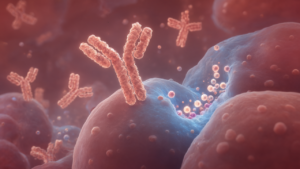
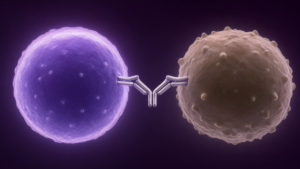
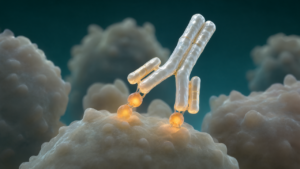
- Precise Targeting: Modifying the exosome surface with specific ligands (e.g., antibodies, peptides, aptamers) to bind to specific receptors on cancer cells, thereby selectively delivering drugs. This approach can minimize side effects on healthy tissues while increasing drug concentration in tumor tissues.
However, exosome-based DDS also faces several challenges. These include improving the loading efficiency of therapeutic molecules, achieving large-scale production and standardization of exosomes, and optimizing their uniform distribution and clearance profiles in vivo. Furthermore, some studies suggest that exosomes may induce mild inflammatory responses, necessitating further evaluation of their safety profiles.
Background and Industry Context: Limitations of Traditional DDS and Expectations for Exosomes
Drug delivery in cancer therapy has always been a significant challenge. Conventional chemotherapeutic agents often damage healthy cells in addition to cancer cells, leading to severe side effects. Existing nanocarriers also face limitations such as rapid clearance by the immune system, biocompatibility issues, and insufficient penetration into tumor tissues. Exosomes are emerging as ‘smart nanocarriers’ with the potential to overcome these challenges. Being biologically derived, they generally exhibit low immunogenicity and excellent biocompatibility. Their nanoscale size and surface properties also contribute to high penetration into tumor tissues and the potential to control drug release within the tumor microenvironment.
Future Outlook: Personalization of Cancer Therapy and Combination Approaches
Exosome-based DDS is expected to play a crucial role in advancing the personalization of cancer therapy and developing more effective, less toxic treatments. Future research will focus on further refining exosome bioengineering techniques, enhancing loading efficiency and stability, and developing large-scale, cost-effective manufacturing processes. Additionally, combination therapeutic approaches are being explored, where exosomes are combined with other therapeutic modalities (e.g., immunotherapy, gene therapy) to achieve synergistic anti-cancer effects. This holds the potential to create new treatment strategies that significantly improve prognosis and quality of life for cancer patients.
Source: #
Get our weekly technology intelligence — free
Receive an infographic that lets you judge at a glance whether each field’s analysis report is worth reading.
Subscribe Free — Weekly Tech Intelligence
By subscribing, you’ll receive Troy-Technical’s weekly technology intelligence newsletter.
- Your email and selected fields are used only to deliver the newsletter.
- We never share your information with third parties.
- You can unsubscribe anytime via the link in each email.
See our Privacy Policy for details.
Takes about a minute · Unsubscribe anytime