Background: Unlocking ‘Undruggable’ Targets
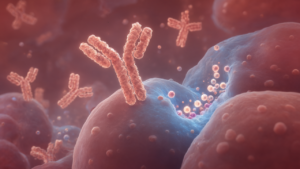
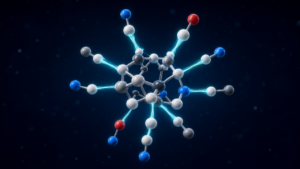
Molecular glues represent a revolutionary class of therapeutic agents within the Targeted Protein Degradation (TPD) modality, offering a new frontier in drug discovery. Alongside Proteolysis Targeting Chimeras (PROTACs), they form the pillars of TPD, addressing a critical limitation of traditional pharmacology: the inability to effectively target and eliminate disease-causing proteins that lack conventional binding pockets or regulatory sites (‘undruggable’ targets). Unlike traditional inhibitors that merely suppress protein activity, TPD aims for the complete removal of the target protein from the cell, promising more potent, durable, and comprehensive therapeutic effects. This innovative technology is garnering widespread attention for its potential across diverse indications, including cancer, autoimmune diseases, viral infections, and neurodegenerative disorders where abnormal protein accumulation or function plays a pathological role.
Clinical Milestones Accelerate Molecular Glue Development
The molecular glue space is currently experiencing a significant surge in development, marked by two pivotal clinical trial advancements in December 2025. Gluetacs Therapeutics successfully enrolled its first patient in a Phase II clinical trial for GT919, a candidate designed to target solid tumors. Concurrently, Degron Therapeutics announced the dosing of its first subject in a Phase I trial for DEG6498, an innovative molecular glue degrader specifically designed to target human antigen R (HuR). These parallel developments highlight the rapid progression and validation of molecular glue technology, signaling its growing maturity and broad applicability across a spectrum of disease indications.
How Molecular Glues Work: A Targeted Degradation Mechanism
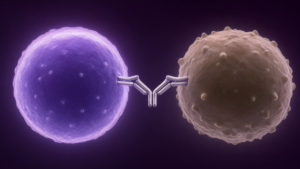
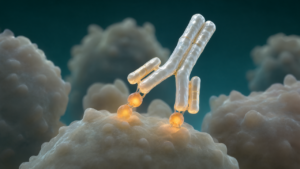
At its core, molecular glue technology operates by hijacking the cell’s natural protein disposal machinery. These small molecules function by mediating or ‘gluing’ an interaction between a specific disease-causing target protein and an E3 ubiquitin ligase. E3 ubiquitin ligases are crucial enzymes responsible for attaching ubiquitin tags to proteins, marking them for destruction. Once ubiquitinated, the target protein is recognized and degraded by the proteasome, the cell’s primary protein recycling complex. This mechanism not only inhibits the target protein’s function but also leads to its complete removal from the cell, offering a distinct and often superior advantage over conventional inhibitors that only transiently block protein activity.
Diving Deeper: GT919 and DEG6498 Specifics
- Gluetacs Therapeutics’ GT919: The progression of GT919 into a Phase II clinical trial for solid tumors indicates promising results from initial Phase I studies, demonstrating sufficient safety and preliminary efficacy. GT919 is hypothesized to exert its anti-tumor effects by specifically inducing the degradation of proteins that promote cancer cell proliferation via a defined cellular pathway. Advancing to Phase II is a crucial step for gathering robust evidence of its effectiveness in a larger, more diverse patient population, moving closer to market approval for addressing challenging solid malignancies.
- Degron Therapeutics’ DEG6498: The commencement of a Phase I clinical trial for DEG6498 introduces a pioneering molecular glue degrader specifically targeting human antigen R (HuR). HuR is an RNA-binding protein that plays a critical role in regulating mRNA stability and translation, and its overexpression is implicated in various aspects of cancer cell proliferation, survival, and metastasis. The selective degradation of HuR could offer a novel therapeutic strategy for multiple cancer types by disrupting fundamental pathways of tumor progression. The ongoing Phase I study will primarily evaluate the agent’s safety, tolerability, and pharmacokinetic profile in humans.
Market Landscape and Future Outlook
The molecular glue space is characterized by intense innovation and competition, with over 80 emerging companies actively developing novel candidates. These efforts span a wide array of E3 ligases and target proteins, significantly expanding the potential therapeutic applications of molecular glues across diverse indications, including solid tumors, hematologic malignancies, and neurodegenerative diseases. The recent clinical advancements by Gluetacs Therapeutics and Degron Therapeutics represent substantial milestones, further validating the clinical feasibility and commercial viability of this modality. Successful progression of these programs through clinical development could introduce transformative new therapeutic options to market, profoundly impacting patients suffering from previously intractable diseases. Industry analysis, such as the DelveInsight report, forecasts rapid expansion of the molecular glue market in the coming years, presenting substantial investment and business opportunities. Key differentiators for success in this burgeoning market will include the discovery of novel targets, the engineering of molecular glues with superior pharmacokinetic profiles, and the development of orally bioavailable agents to enhance patient accessibility and compliance.
Get our weekly technology intelligence — free
Receive an infographic that lets you judge at a glance whether each field’s analysis report is worth reading.
Subscribe Free — Weekly Tech Intelligence
By subscribing, you’ll receive Troy-Technical’s weekly technology intelligence newsletter.
- Your email and selected fields are used only to deliver the newsletter.
- We never share your information with third parties.
- You can unsubscribe anytime via the link in each email.
See our Privacy Policy for details.
Takes about a minute · Unsubscribe anytime