Key Findings: U.S. DOE Geothermix Project Successfully Tests Thermoelectric Cells Converting Low-Temperature Oil Well Waste Heat to Electricity
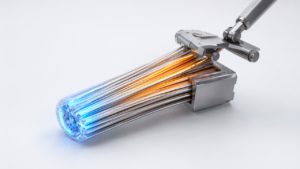
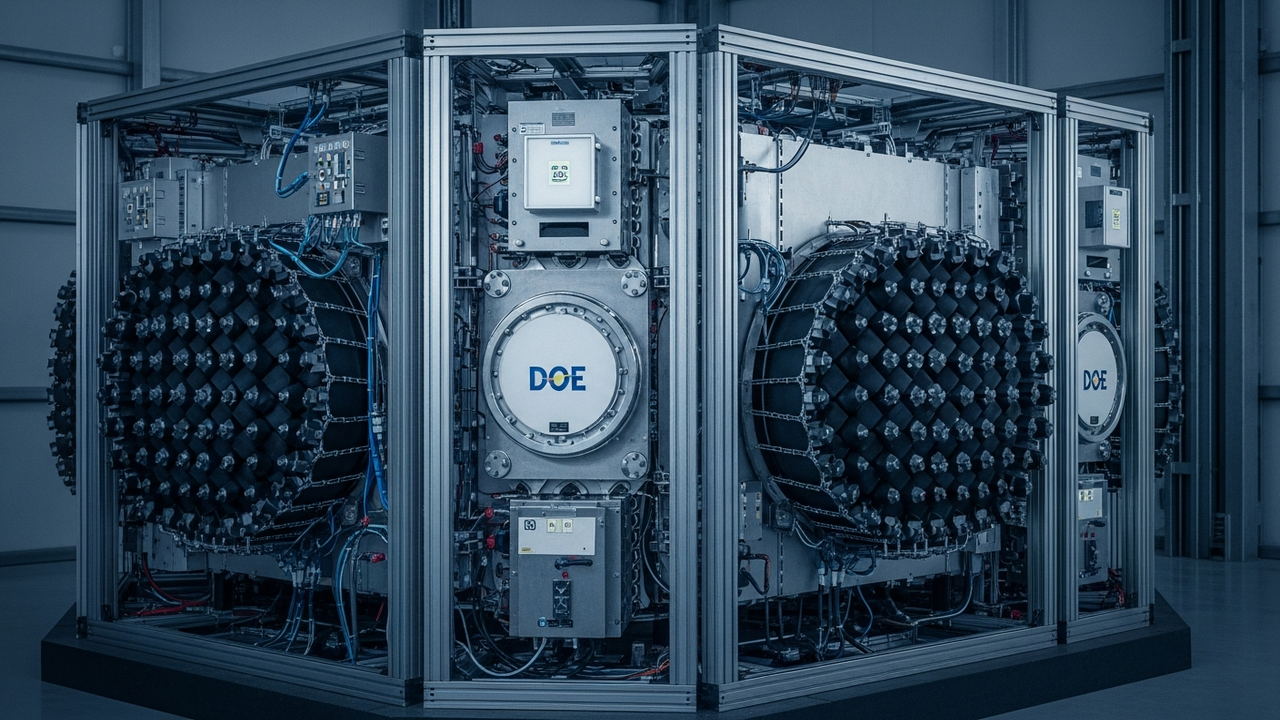
The U.S. Department of Energy (DOE)-backed Geothermix field project announced the successful demonstration of the construction and lab-scale testing of novel thermoelectric generator (TEG) cells developed by Geothermix in Navidad Resources’ Austin Chalk oil wells. This groundbreaking technology enables the direct generation of electricity from various fluids in the low-temperature spectrum, including surplus heat emitted from oil and gas production processes. This significantly opens up the potential to convert previously unutilized industrial waste heat into valuable electrical power resources.
Technical and Research Details
- Geothermix Thermoelectric Generator Cells: The TEG cells developed by Geothermix are solid-state devices that generate electricity directly by utilizing a temperature gradient. These cells are specifically designed for efficient power generation in low-temperature environments, overcoming the limitations of conventional thermoelectric technologies confined to high-temperature heat sources.
- Demonstration in Austin Chalk Oil Wells: The demonstration tests were conducted in existing Austin Chalk oil wells. These wells discharge relatively low-temperature hot water along with oil and gas, and this hot water was utilized as a heat source for the TEG cells. Lab-scale testing confirmed that this system stably generated electricity, demonstrating its practical applicability.
- Effective Utilization of Low-Temperature Waste Heat: A significant portion of waste heat generated from global industrial activities is low-temperature, making its effective utilization technically challenging. Geothermix’s technology addresses this challenge, enabling power generation from low-temperature waste heat sources that were previously uneconomical to exploit. This has the potential to improve energy efficiency and reduce reliance on fossil fuels.
Background and Industry Context
While global energy demand continues to rise, mitigating environmental impact and securing sustainable energy sources are pressing challenges. The oil and gas industry emits substantial amounts of heat, much of which is low-temperature and thus difficult to recover and utilize. Thermoelectric power generation, with no moving parts and the ability to directly convert heat to electricity, is garnering attention as a maintenance-free and reliable waste heat recovery system. The Geothermix project is exploring new frontiers in energy recovery by applying this technology to the untapped domain of low-temperature waste heat.
Future Outlook and Strategic Significance
The success of these Geothermix thermoelectric generator cells demonstrates broad application potential not only in the oil and gas industry but also in recovering low-temperature waste heat from industrial processes such as cement, steel, and glass manufacturing. Furthermore, it holds promise for use as self-powered sensors or off-grid power sources in remote areas or regions with underdeveloped electrical infrastructure. If commercialized, this technology could significantly contribute to reducing energy costs, lowering carbon emissions, and promoting distributed energy systems, marking an important step towards building a sustainable future society. With DOE support, this technology is expected to be further scaled up and accelerated towards practical implementation.
Source: https://www.energy.gov/hgeo/geothermal/wells-opportunity
Get our weekly technology intelligence — free
Receive an infographic that lets you judge at a glance whether each field’s analysis report is worth reading.
Subscribe Free — Weekly Tech Intelligence
By subscribing, you’ll receive Troy-Technical’s weekly technology intelligence newsletter.
- Your email and selected fields are used only to deliver the newsletter.
- We never share your information with third parties.
- You can unsubscribe anytime via the link in each email.
See our Privacy Policy for details.
Takes about a minute · Unsubscribe anytime