Key Findings
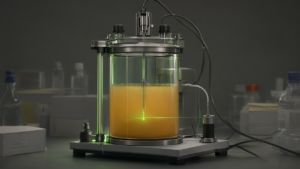
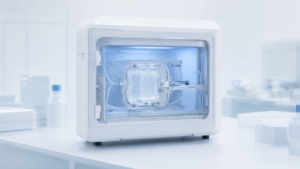
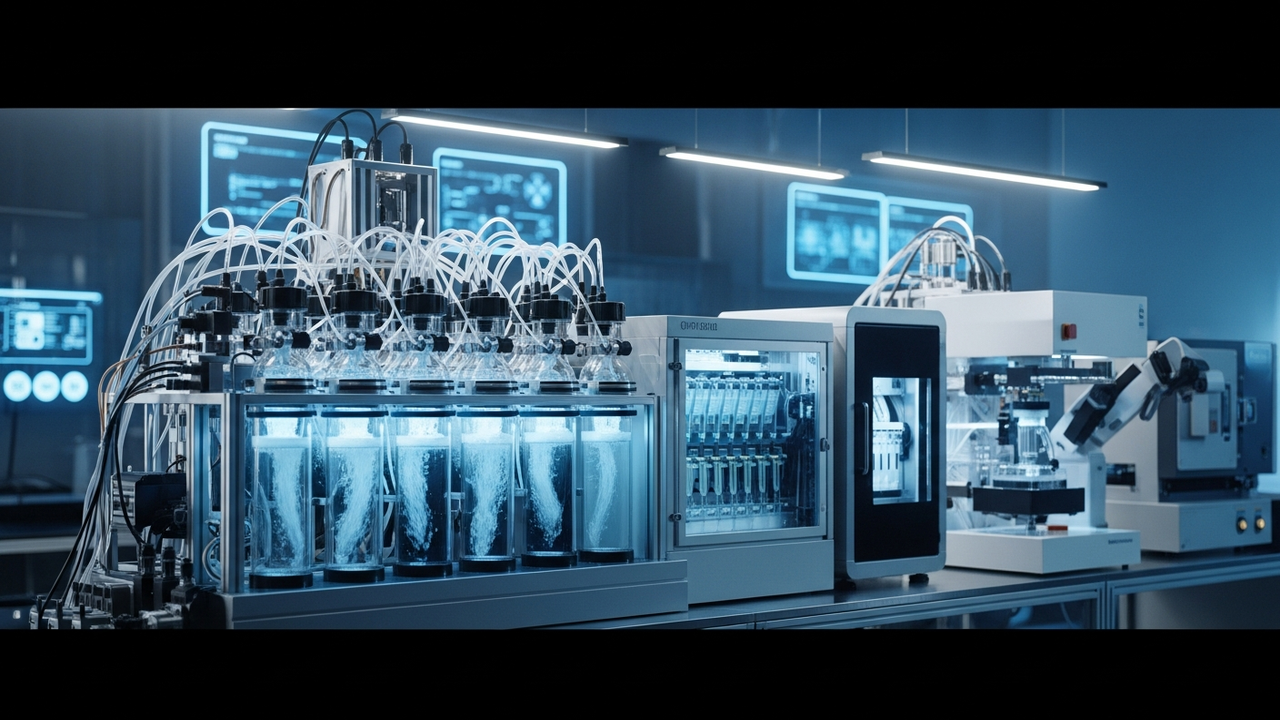
The Sartorius Stedim Ambr 15 24-Vessel Microbioreactor System offers a high-throughput solution designed to dramatically accelerate microbial fermentation process development. Equipped with 24 independent, disposable stirred-tank vessels and an integrated analysis module, this system allows for the simultaneous execution of numerous experiments while precisely controlling critical parameters for each culture. This capability significantly shortens research and development cycles, enabling researchers to identify optimal fermentation conditions much more rapidly and efficiently.
Technical / Clinical Details
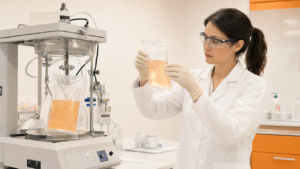
The Ambr 15 microbioreactor system is engineered to mimic the functionality of full-scale bioreactors, albeit in a miniaturized format. Each of the 24 bioreactor units features independent control over temperature, pH, dissolved oxygen (DO), agitation speed, and gas supply systems, meticulously replicating optimal environments for microbial cultivation. The use of disposable stirred-tank vessels eliminates the need for cleaning and sterilization, facilitating rapid experimental setup and minimizing the risk of cross-contamination between batches. An integrated analysis module provides real-time measurement and monitoring of critical quality attributes (CQAs) and critical process parameters (CPPs) during culture, including metabolite concentrations like glucose and lactate, cell density, pH, and DO. This real-time data allows researchers to gain a detailed understanding of process dynamics and make immediate, data-driven adjustments. For instance, the system can evaluate the impact of different media compositions or culture strategies on microbial growth and metabolite production with high precision and throughput. This system also provides reproducible data for early-stage development targeting GMP (Good Manufacturing Practice) environments, reducing risks associated with scale-up.
Background & Context
Microbial fermentation is an indispensable process for producing a wide array of products, including biopharmaceuticals (e.g., insulin, vaccines), enzymes, biofuels, specialty chemicals, and food ingredients. However, traditional development methods using shake flasks or small-scale bioreactors have suffered from low throughput and required extensive time and resources. Identifying optimal culture conditions necessitated repetitive experimentation, which became a bottleneck delaying the market entry of new products. The advent of microbioreactor systems like the Ambr 15 represents a crucial technological innovation to address this challenge. The pharmaceutical, biotechnology, and food industries have a strong need for accelerated development timelines and improved cost-efficiency, and the Ambr 15 meets these demands by enabling more efficient process development. Particularly in emerging fields such as precision fermentation, the ability to rapidly screen diverse microbial strains and culture conditions is essential for accelerating innovation.
Strategic Significance & Outlook
The Sartorius Stedim Ambr 15 Microbioreactor System is poised to play a critical role in shaping the future of microbial fermentation development. Its high-throughput capabilities and precise control enable researchers to understand and optimize more complex microbial systems. Moving forward, deeper integration with AI and machine learning algorithms is expected, allowing its use as a foundation for building digital twins and predictive models, thereby contributing to the realization of autonomous process development. This will further accelerate the market entry of new bioproducts and therapies, fostering a more sustainable and efficient biomanufacturing ecosystem. The Ambr 15 holds the potential to be a powerful tool for enhancing the speed and quality of innovation across all industries reliant on microbial fermentation, including pharmaceuticals, food, and materials science.
Get our weekly technology intelligence — free
Receive an infographic that lets you judge at a glance whether each field’s analysis report is worth reading.
Subscribe Free — Weekly Tech Intelligence
By subscribing, you’ll receive Troy-Technical’s weekly technology intelligence newsletter.
- Your email and selected fields are used only to deliver the newsletter.
- We never share your information with third parties.
- You can unsubscribe anytime via the link in each email.
See our Privacy Policy for details.
Takes about a minute · Unsubscribe anytime