Key Findings
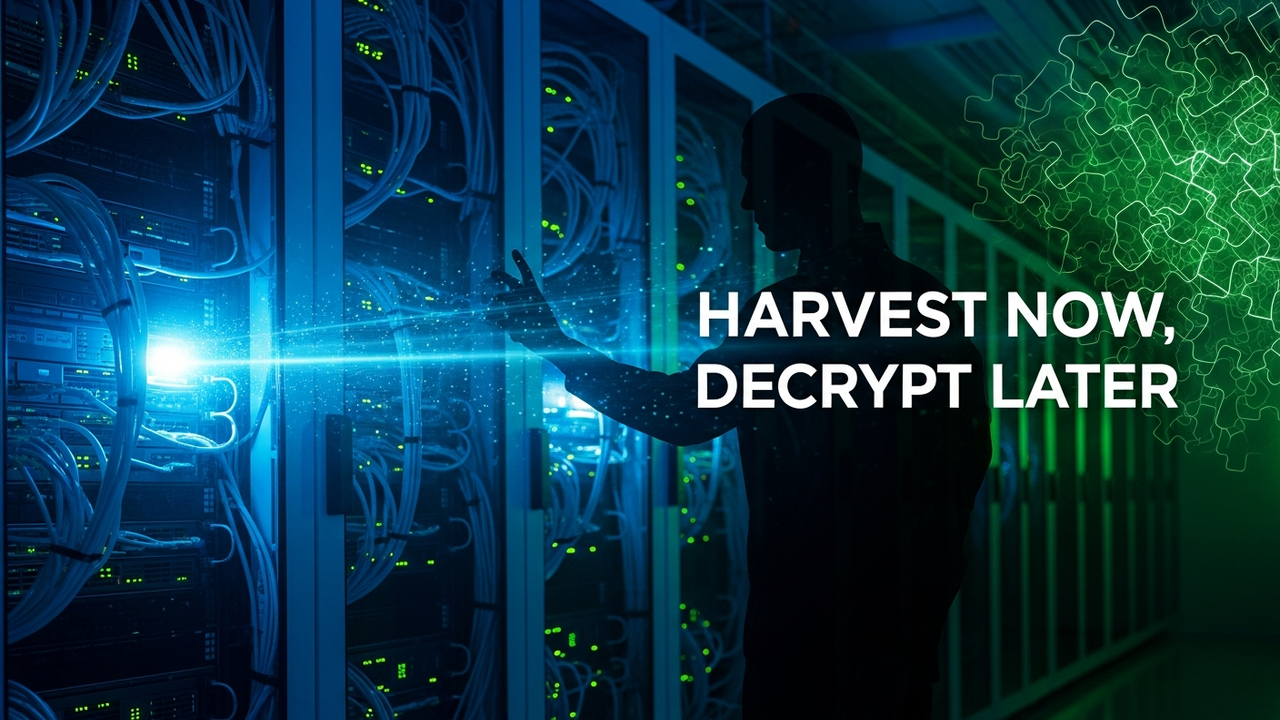
The Alliance For Civic Engagement has raised a significant alarm regarding the ‘Harvest Now, Decrypt Later (HNDL)’ threat, despite the current inability of quantum computers to break RSA encryption. This HNDL scenario suggests that malicious actors could currently collect and store encrypted sensitive data, with the intention of decrypting it once quantum computing capabilities mature. In response to this looming threat, the U.S. National Institute of Standards and Technology (NIST) finalized its first official Post-Quantum Cryptography (PQC) standards in August 2024, providing a validated framework for federal agencies to migrate from existing RSA encryption. However, this transition is projected to be both time-consuming and costly, primarily due to the deep integration of cryptographic primitives within existing hardware and legacy systems.
Technical and Policy Details
The PQC algorithms standardized by NIST (e.g., ML-KEM, ML-DSA, SLH-DSA) are built upon mathematical problems, such as lattice-based or hash-based cryptography, that are believed to be resistant to efficient attacks by quantum computers. The HNDL threat is particularly severe for data requiring long-term confidentiality, such as national security secrets, medical records, and intellectual property. Migrating to PQC necessitates not just software updates, but comprehensive changes across hardware chips, firmware, communication protocols, application layers, and the entire IT supply chain. For long-lived infrastructure (e.g., power grids, aerospace systems), cryptographic upgrades present substantial physical and operational challenges. The federal government’s leadership in this migration aims to encourage private sector adoption of PQC, thereby enhancing national cybersecurity resilience.
Background and Context
The comparison of PQC migration to a ‘Modern Y2K’ highlights the immense scale of the challenge. While the Y2K problem involved a date formatting bug, PQC migration requires replacing the fundamental security mechanisms of entire systems, a task far more complex than Y2K. Many organizations lack a complete inventory of their cryptographic usage across IT infrastructure, making the initial step of identifying quantum-vulnerable systems a significant hurdle. Untangling and coordinating cryptographic dependencies across multiple layers of the supply chain is also crucial. This issue involves not only technical aspects but also significant human resource, budgetary, and governance challenges.
Strategic Significance and Outlook
PQC migration is an indispensable process for ensuring the resilience of the entire digital economy. The establishment of NIST standards and the federal mandate for migration serve as critical accelerants for this process. Businesses and organizations must take the HNDL threat seriously, proactively assess their cryptographic agility (the ability to rapidly and efficiently change cryptographic algorithms), and formulate migration strategies. This requires developing in-house PQC expertise and collaborating with vendors who offer PQC solutions. Executing a comprehensive and coordinated PQC migration plan before quantum computers become a practical threat is paramount for national security and corporate survival.
Get our weekly technology intelligence — free
Receive an infographic that lets you judge at a glance whether each field’s analysis report is worth reading.
Subscribe Free — Weekly Tech Intelligence
By subscribing, you’ll receive Troy-Technical’s weekly technology intelligence newsletter.
- Your email and selected fields are used only to deliver the newsletter.
- We never share your information with third parties.
- You can unsubscribe anytime via the link in each email.
See our Privacy Policy for details.
Takes about a minute · Unsubscribe anytime