Key Findings
Researchers at Washington University School of Medicine in St. Louis have announced promising early results from a clinical trial utilizing a novel combined approach of CRISPR gene editing and stem cell transplantation for the treatment of aggressive acute myeloid leukemia (AML) and myelodysplastic syndromes (MDS). This method aims to protect healthy blood cells from the side effects of leukemia-targeting therapies by removing the CD33 protein from donor stem cells.
Technical / Clinical Details
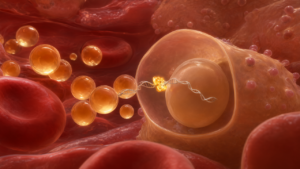
The technology employed in this clinical trial involves using the CRISPR-Cas9 gene-editing system to knock out the gene for the CD33 protein in hematopoietic stem cells harvested from a donor. CD33 is often overexpressed in many AML cells but is also present on healthy myeloid stem cells, posing a challenge for CD33-targeting therapies (e.g., CD33-targeted CAR-T cell therapies or antibody-drug conjugates) which can damage healthy cells alongside leukemic ones. In this study, by transplanting CD33-deficient donor stem cells into patients, the healthy blood cells differentiating from these stem cells no longer express CD33. This strategy enables subsequent CD33-targeting therapies to specifically attack residual leukemic cells while minimizing toxicity to the patient’s healthy blood cells. While specific response rates and detailed safety profiles are yet to be disclosed due to the ongoing nature of the trial, initial clinical data suggest both safety and promising therapeutic effects against leukemia.
Background & Context
AML and MDS are known as challenging blood cancers with poor prognoses. Effective treatment options, particularly for relapsed or refractory patients, are severely limited, creating a strong demand for novel therapeutic approaches. CAR-T cell therapies and other targeted treatments have revolutionized blood cancer treatment but face significant challenges, including side effects like cytokine release syndrome, neurotoxicity, and off-target toxicity (effects on healthy cells). The approach demonstrated in this research, by leveraging genome editing technology, holds the potential to overcome these challenges, offering a safer and more effective treatment option, and represents a crucial step in the evolution of personalized medicine.
Strategic Significance & Outlook
These early results strongly support the clinical potential of combining CRISPR gene editing and stem cell transplantation for aggressive blood cancers. The collection and analysis of long-term safety and efficacy data from a larger patient cohort are anticipated. If this technology is established, its application could expand to other CD33-positive hematological malignancies and potentially to solid tumors expressing specific surface antigens. Ultimately, this groundbreaking therapeutic approach is expected to significantly alter the paradigm of blood cancer treatment by improving patient prognoses and reducing treatment-related complications, marking a major advance in the fight against these diseases.
Get our weekly technology intelligence — free
Receive an infographic that lets you judge at a glance whether each field’s analysis report is worth reading.
Subscribe Free — Weekly Tech Intelligence
By subscribing, you’ll receive Troy-Technical’s weekly technology intelligence newsletter.
- Your email and selected fields are used only to deliver the newsletter.
- We never share your information with third parties.
- You can unsubscribe anytime via the link in each email.
See our Privacy Policy for details.
Takes about a minute · Unsubscribe anytime