Key Findings
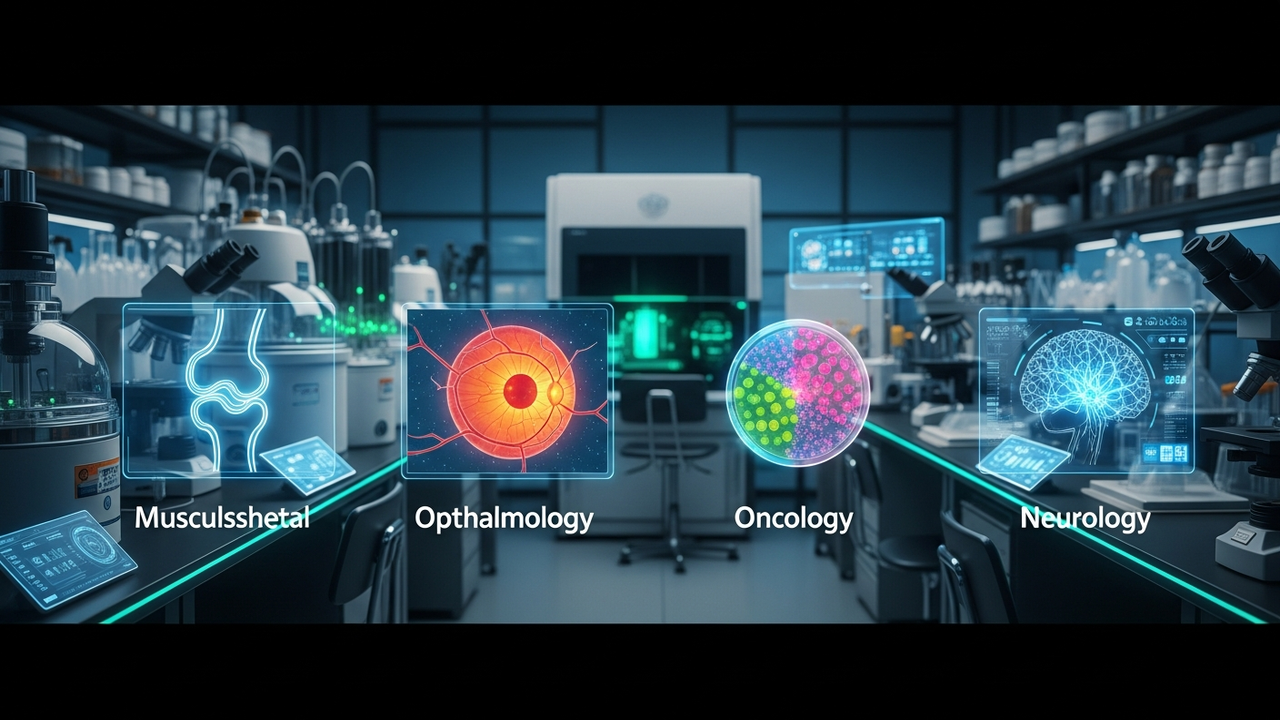
In July 2026, the U.S. Food and Drug Administration (FDA) granted Regenerative Medicine Advanced Therapy (RMAT) designations to four new investigational drugs. These designations span diverse modalities within regenerative medicine—including cell therapies, gene therapies, CAR-T cell therapies, and stem cell-based platforms—and clearly indicate innovative progress across broad therapeutic areas: musculoskeletal disorders, ophthalmic conditions, oncology, and neurological diseases.
Technical / Clinical Details
The four investigational drugs receiving RMAT designation each employ distinct approaches and target different diseases. Specifically, they include cell therapies for musculoskeletal disorders, gene therapies aimed at improving vision in inherited ophthalmic conditions, CAR-T cell therapies targeting specific hematologic cancers or solid tumors, and stem cell-based therapeutic platforms designed for the repair of neurodegenerative diseases. RMAT designation criteria require that the product addresses a serious or life-threatening disease with an unmet medical need and demonstrates preliminary clinical evidence of potential therapeutic benefit. This designation provides developers with benefits such as early and frequent dialogue with the FDA, optimization of the development plan, rolling review, and priority review. While this is expected to shorten development timelines and accelerate market entry, each product must still submit robust safety, efficacy, and Chemistry, Manufacturing, and Controls (CMC) data and prove their establishment to gain approval.
Background & Context
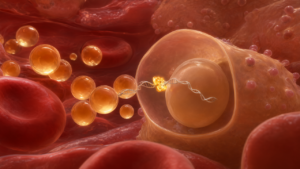
Regenerative medicine has made remarkable progress over the past few years, offering new hope for many diseases that were previously difficult to treat. To support the advancement of this innovative field, the FDA introduced the RMAT designation program under the 21st Century Cures Act. This program aims to expedite the development and review of regenerative medicine products, thereby addressing bottlenecks in drug development and allowing patients to receive treatments more quickly. The wave of RMAT designations in July reflects the current landscape where regenerative medicine research is steadily transitioning from basic science to clinical application, demonstrating efficacy across various disease areas.
Strategic Significance & Outlook
These RMAT designations are expected to significantly accelerate the development of the designated therapies. The progress of regenerative medicine, particularly in challenging areas such as musculoskeletal and neurological disorders, holds immense potential for addressing unmet needs in these fields. Furthermore, the designations across diverse modalities underscore the versatility and broad applicability of regenerative medicine technologies. Future attention will be focused on the progress and results of the clinical trials for these RMAT-designated products. If ultimately approved, these therapies are expected to become new standards of care that improve patients’ quality of life and slow disease progression. The RMAT program is likely to continue playing a vital role in fostering innovation within the regenerative medicine sector.
Source: https://pharmacally.com/fda-rmat-designations-regenerative-medicine-july-2026/
Get our weekly technology intelligence — free
Receive an infographic that lets you judge at a glance whether each field’s analysis report is worth reading.
Subscribe Free — Weekly Tech Intelligence
By subscribing, you’ll receive Troy-Technical’s weekly technology intelligence newsletter.
- Your email and selected fields are used only to deliver the newsletter.
- We never share your information with third parties.
- You can unsubscribe anytime via the link in each email.
See our Privacy Policy for details.
Takes about a minute · Unsubscribe anytime