Key Findings
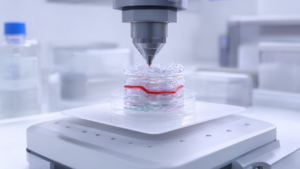
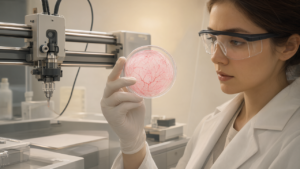
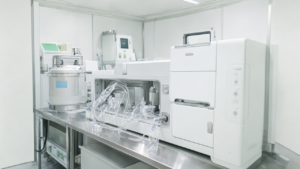
The cell and gene therapy (CGT) manufacturing industry is accelerating its transition towards robust closed and automated platforms to address critical operational challenges, notably high costs and scalability limitations. This strategy aims to overcome issues such as raw material variability, supply chain constraints, and contamination risks associated with manual processes, ensuring both cost-efficiency and regulatory compliance.
Technical and Clinical Details
Innovative strategies, tools, and methodologies are being adopted across both autologous and allogeneic therapy manufacturing. Process automation, machine learning (ML), and artificial intelligence (AI)-driven smart manufacturing are considered key to enhancing manufacturing efficiency and quality control. For example, the use of digital shadows to predict CAR T-cell concentration contributes to process monitoring and optimization. In the production of induced pluripotent stem cell (iPSC) therapies, technological advancements focused on improving process consistency and reproducibility are highly prioritized. New analytical techniques are being leveraged for process and product characterization, ensuring product quality and safety. These technologies are indispensable for reducing contamination risks, maintaining product comparability, and meeting stringent manufacturing control standards required by regulatory authorities.
Background and Industry Context
Commercialization of CGT products continues to face unique challenges related to scale-up, material sourcing, parallelization, automation, and quality control. The FDA projects 10 to 20 new CGT approvals annually by 2025, necessitating dramatic improvements in manufacturing capacity and reductions in the Cost of Goods Sold (COGS). Current manufacturing environments often rely on manual processes, which are primary contributors to contamination risks, batch-to-batch inconsistency, and high costs. Therefore, implementing closed systems and automation is viewed as an essential solution for standardizing production, mitigating risks, and ultimately accelerating product delivery to patients.
Strategic Significance and Outlook
The advancements in automation, AI/ML, and digitalization are poised to profoundly transform the future of CGT manufacturing. These technologies promise to enhance manufacturing efficiency, scalability, and quality, thereby democratizing access to CGT and fundamentally altering the landscape of patient care. Regulatory bodies are also increasing their focus on manufacturing controls and product comparability, with approaches like non-viral production gaining attention as simpler and safer gene editing pathways. Moving forward, further reductions in manufacturing costs and improvements in global supply chain and logistics will be critical determinants for the widespread adoption of CGT.
Source: https://www.bioprocessingeurope.com/cell-therapy-manufacturing
Get our weekly technology intelligence — free
Receive an infographic that lets you judge at a glance whether each field’s analysis report is worth reading.
Subscribe Free — Weekly Tech Intelligence
By subscribing, you’ll receive Troy-Technical’s weekly technology intelligence newsletter.
- Your email and selected fields are used only to deliver the newsletter.
- We never share your information with third parties.
- You can unsubscribe anytime via the link in each email.
See our Privacy Policy for details.
Takes about a minute · Unsubscribe anytime