Key Findings
Taysha Gene Therapies and Catalent, a leading contract development and manufacturing organization (CDMO), have expanded their strategic partnership. This expanded agreement designates Catalent as the exclusive commercial manufacturer for TSHA-102, an adeno-associated virus (AAV)-based gene therapy targeting Rett syndrome, specifically for the commercialization phase following potential U.S. FDA approval.
Technical / Clinical Details
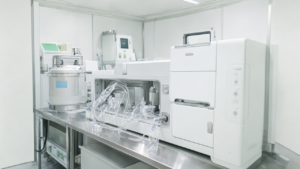
TSHA-102 is an AAV-based gene therapy designed to deliver a functional MECP2 gene to cells to correct the underlying genetic defect responsible for Rett syndrome, a severe neurodevelopmental disorder. Under the terms of the expanded collaboration, upon FDA approval of TSHA-102, Catalent will serve as Taysha’s primary commercial manufacturing partner. This will involve the Good Manufacturing Practice (GMP) compliant manufacturing and commercial supply of TSHA-102 from Catalent’s FDA-licensed gene therapy facility located in Harmans, Maryland.
Catalent’s Harmans site is recognized for its extensive experience and advanced expertise in AAV vector manufacturing, capable of supporting commercial-scale production of complex gene therapy products. The facility meets stringent FDA regulatory requirements, ensuring high quality and consistent supply of TSHA-102. This agreement builds upon an existing collaboration initiated in 2020, solidifying a long-term manufacturing capacity and a scalable supply chain crucial for supporting the anticipated commercial demand and future growth of the product.
Background & Context
Rett syndrome is a rare, severe neurodevelopmental disorder that primarily affects females, leading to profound cognitive, motor, and communication impairments. Currently, there are no curative treatments, with management focusing on symptomatic care. AAV-based gene therapies represent a highly promising therapeutic approach for monogenic disorders, with several products already approved. However, the manufacturing of gene therapy products is exceptionally complex, requiring specialized expertise, significant capital investment, and stringent quality control. Consequently, many biotechnology companies opt to partner with expert CDMOs to secure their manufacturing capabilities, which is a critical success factor for bringing these innovative therapies to market.
Strategic Significance & Outlook
The expanded partnership with Catalent signifies a robust step forward for Taysha Gene Therapies in establishing a solid foundation for the commercialization of TSHA-102. A reliable and long-term manufacturing partner is indispensable for ensuring supply chain stability and quickly responding to potential market demand post-approval. If TSHA-102 gains FDA approval, it would offer an unprecedented and potentially life-changing treatment option for patients and families affected by Rett syndrome. This success would further highlight the vital role of CDMOs in the development and commercialization of AAV-based gene therapies and could positively influence the development of gene therapies for other rare diseases.
Get our weekly technology intelligence — free
Receive an infographic that lets you judge at a glance whether each field’s analysis report is worth reading.
Subscribe Free — Weekly Tech Intelligence
By subscribing, you’ll receive Troy-Technical’s weekly technology intelligence newsletter.
- Your email and selected fields are used only to deliver the newsletter.
- We never share your information with third parties.
- You can unsubscribe anytime via the link in each email.
See our Privacy Policy for details.
Takes about a minute · Unsubscribe anytime