Key Findings
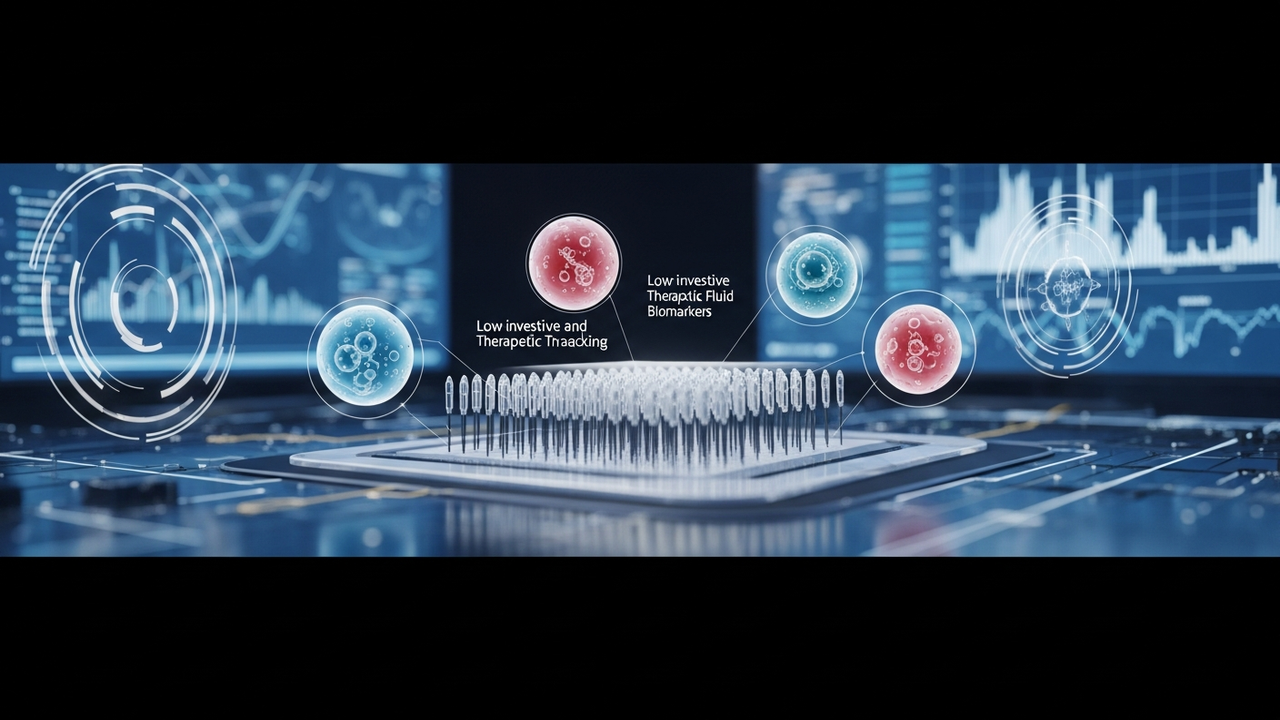
Hydrogel-Forming Microneedles (HFMNs) are rapidly emerging as an innovative platform for minimally invasive biosensing and therapeutic drug monitoring by accessing interstitial fluid (ISF). Initially developed for glucose monitoring, the application scope of HFMNs has significantly broadened to encompass a wide array of biomarkers, including metabolites (lactate, urea, ketones), ions, pH, hormones (cortisol), proteins (CRP, IgE), nucleic acids, microbial markers, wound biomarkers, and critical therapeutic drugs like lidocaine, buprenorphine, fentanyl, and methotrexate. This technology holds immense potential to shape the future of wearable biosensors, contributing to the realization of personalized medicine and closed-loop therapeutic systems.
Technical and Clinical Details
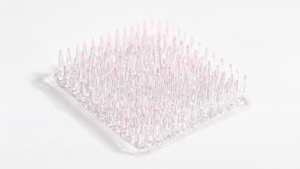
HFMNs consist of arrays of microscopic needles made from hydrogel materials. When applied to the skin, these needles swell and efficiently absorb ISF, channeling it to integrated sensor regions. The sensors, embedded within the needle tips or bases, utilize various detection principles—enzymatic, non-enzymatic, electrochemical, or optical—to measure biomarkers. Beyond glucose monitoring for diabetes, HFMNs can detect ketone bodies for assessing diabetic ketoacidosis (DKA) risk, C-reactive protein (CRP) as an inflammatory marker, and multiplexed wound biomarkers to track healing progression. Advanced HFMN systems incorporate nanomaterials such as vertical graphene, carbon nanotubes, nanostructured gold electrodes, and metal-organic frameworks (MOFs) to enhance sensitivity and selectivity. By real-time monitoring of biomarker concentrations in ISF, this technology allows for indirect inference of blood drug levels, paving the way for optimizing personalized drug dosing.
Background and Industry Context
There is a growing demand for minimally invasive or non-invasive diagnostic methods to improve patient comfort and expand healthcare access. Interstitial fluid (ISF) is an ideal target for fluid-based diagnostics due to its biomarker composition being similar to blood. Unlike sweat or tears, ISF resides deeper within the body, making microneedle technology crucial for access. HFMNs are expected to mitigate the inconvenience of traditional blood draws and the discomfort associated with frequent monitoring, thereby improving compliance in chronic disease management and therapeutic drug monitoring. However, current research is predominantly validated in artificial matrices, in vitro, and animal models, necessitating urgent long-term clinical validation for human safety, efficacy, and reliability.
Strategic Significance and Outlook
The future of HFMNs involves multiplexed detection of more complex biomarker profiles, integration into closed-loop therapeutic systems (e.g., adjusting insulin delivery based on glucose levels), and incorporation into smart wound dressings. Technical challenges include standardizing HFMN mechanical properties and fluid transport reporting, ensuring long-term wear stability, achieving compatibility with sterilization processes, developing scalable manufacturing methods, and critically, robust clinical validation. Overcoming these hurdles will position HFMNs as powerful complementary tools to blood-based diagnostics, playing a central role in advancing telemedicine, home healthcare, and personalized medicine. This is expected to significantly enhance patients’ quality of life and contribute to overall healthcare system efficiency.
Source: https://www.mdpi.com/2624-845X/7/3/19
Get our weekly technology intelligence — free
Receive an infographic that lets you judge at a glance whether each field’s analysis report is worth reading.
Subscribe Free — Weekly Tech Intelligence
By subscribing, you’ll receive Troy-Technical’s weekly technology intelligence newsletter.
- Your email and selected fields are used only to deliver the newsletter.
- We never share your information with third parties.
- You can unsubscribe anytime via the link in each email.
See our Privacy Policy for details.
Takes about a minute · Unsubscribe anytime