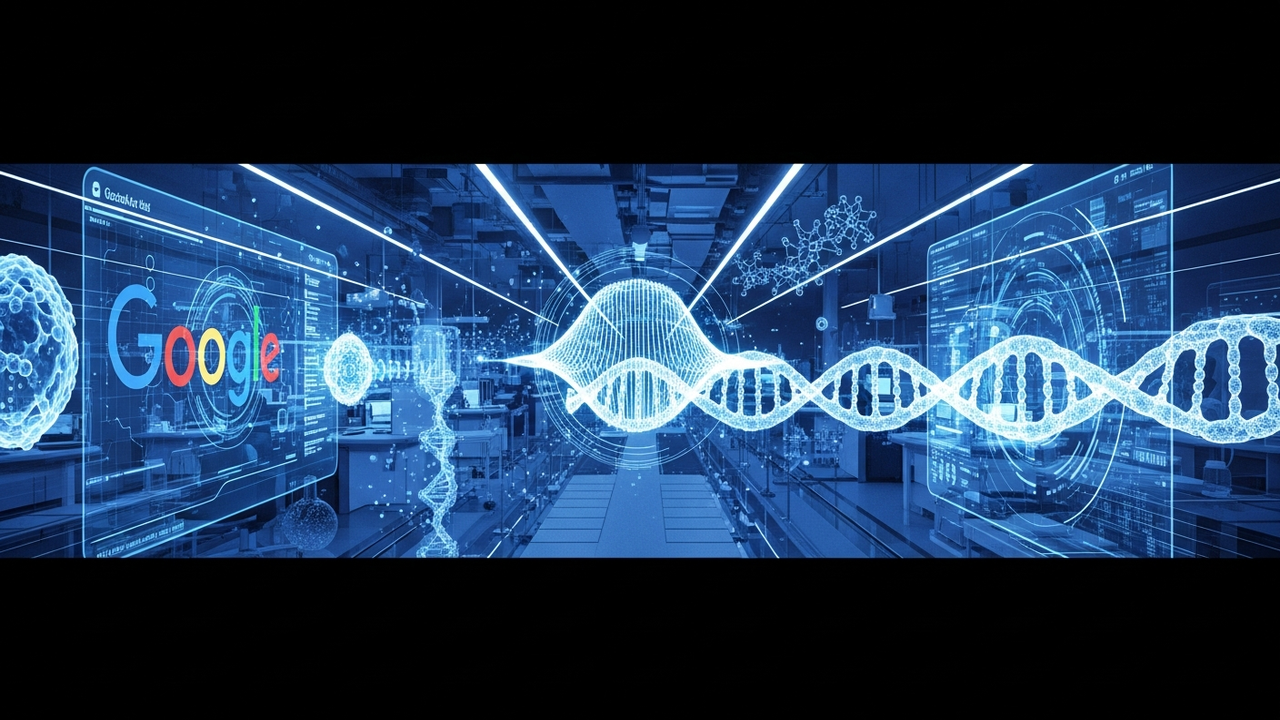
Computational Limits in Life Sciences and the Promise of Emerging Technologies
In fields such as biology and medicine, understanding highly intricate systems—including complex protein structural changes, intracellular chemical reaction networks, and drug-biomolecule interactions—is paramount. These phenomena often involve multi-body problems with an enormous number of interacting atoms and molecules, frequently pushing the computational limits of classical simulations. Even with advanced supercomputers, large-scale molecular dynamics simulations or complex gene expression pattern analyses can demand prohibitive amounts of time. However, quantum computing and artificial intelligence (AI) are emerging as transformative technologies with the potential to break through these computational barriers and accelerate new discoveries in the life sciences.
Google’s “REPLIQA” Program: Objectives and Scope
To pioneer this promising frontier, Google has launched a new $10 million research initiative titled “REPLIQA” (Research Program at the Intersection of Life Sciences and Quantum AI). This program is a collaborative effort combining the technological expertise of Google Quantum AI with the philanthropic commitment of Google.org. The REPLIQA program sets forth the following primary objectives:
- Integration of Quantum and AI Technologies: By combining the parallel processing capabilities of quantum computing with the pattern recognition strengths of AI, particularly machine learning algorithms, the program aims to dramatically enhance the accuracy and speed of biological data analysis and simulation.
- Unraveling Complex Life Phenomena: The initiative seeks to simulate and deepen the understanding of intricate biological processes—such as protein folding dynamics, drug mechanisms of action, and cellular signaling pathways—which have been challenging to decipher using traditional computational methods.
- Collaboration with Academic Institutions: The program involves selected major universities as partners, fostering a synergistic environment where Google’s technological prowess merges with academic fundamental research to stimulate new scientific breakthroughs.
Ultimately, this program endeavors to establish a clear pathway for quantum computers to deliver practical value in the realm of life sciences.
Driving Human Health Improvement and Future Outlook
The overarching goal of the REPLIQA program is to harness the power of quantum computing and AI to generate new insights and solutions that improve human health. For example, enhanced accuracy in protein structure prediction could accelerate the development of targeted novel drugs and advance personalized medicine. Furthermore, a deeper understanding of complex cellular interactions could aid in identifying new therapeutic strategies for challenging diseases like cancer and neurodegenerative disorders. This program underscores Google’s long-term vision for the societal implementation of quantum computing and AI, serving as a bridge between fundamental and applied research. By establishing the nascent field of quantum bioscience, we stand at the precipice of unraveling life’s mysteries with unprecedented scale and complexity, holding immense potential to contribute to human health and well-being.








Comments