Key Findings
Generative biology, a cutting-edge field powered by Artificial Intelligence (AI), is dramatically rewriting the rules of drug discovery, pushing AI-designed drug candidates into advanced human clinical trials. A prominent leader in this transformation, Insilico Medicine, has achieved a significant milestone by advancing an AI-designed drug for idiopathic pulmonary fibrosis (IPF) into Phase III clinical development. Furthermore, the company boasts a robust pipeline of 31 development candidates that have progressed beyond the preclinical stage, showcasing the tangible impact of generative AI in pharmaceutical innovation.
Technical / Clinical Details
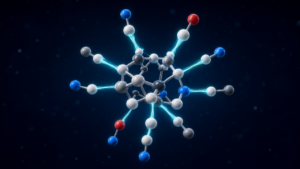
Generative biology employs sophisticated AI models, such as Generative Adversarial Networks (GANs) and Variational Autoencoders (VAEs), to autonomously design novel molecular structures, proteins, and DNA sequences from scratch (de novo). Insilico Medicine utilizes this approach to computationally generate compounds optimized for specific biological targets, taking into account factors like binding affinity, selectivity, solubility, and synthetic accessibility. Their IPF drug candidate, for instance, was designed by AI and rapidly moved through development to reach the Phase III clinical stage, a testament to the accelerated timelines possible with this technology. The company’s pipeline includes candidates for various therapeutic areas, including ocular diseases, inflammatory disorders, and aging, with some already in Phase I and Phase II trials. This process significantly shortens the time required for lead identification and optimization compared to traditional trial-and-error methods, potentially reducing both development costs and timelines. AI is increasingly being applied to design molecules within protein pockets and directly generate biomolecular binders, expanding its utility beyond small-molecule tasks.
Background & Context
Historically, drug discovery has been a protracted, capital-intensive, and high-risk endeavor, often taking over a decade and billions of dollars with a low success rate. The advent of AI, particularly generative AI, offers a compelling solution to these inefficiencies. The breakthrough in protein structure prediction by AlphaFold2 in 2020 underscored AI’s profound capabilities in biological sciences, catalyzing widespread adoption across the industry. Generative AI is now being integrated into various stages of drug discovery, from target identification to preclinical development, with some experts suggesting it can accomplish in 18 months what traditionally took a decade. Regulatory bodies worldwide are acknowledging this shift and actively developing guidelines for AI in drug development, reflecting the industry’s commitment to safely integrating these advanced technologies.
Strategic Significance & Outlook
Insilico Medicine’s advancement to Phase III with an AI-designed drug represents a pivotal validation of generative biology’s potential to deliver real-world clinical impact. As more AI-designed candidates succeed in clinical trials, the credibility and adoption of this technology will undoubtedly escalate. This approach holds particular promise for accelerating the development of therapies for rare and intractable diseases, addressing significant unmet medical needs. Pharmaceutical companies globally are compelled to increase their investment in generative AI and integrate it deeply into their R&D processes to remain competitive. Ultimately, generative biology is expected to foster a future where innovative therapies are brought to patients more rapidly and cost-effectively, revolutionizing global healthcare and improving patient outcomes on an unprecedented scale.
Get our weekly technology intelligence — free
Receive an infographic that lets you judge at a glance whether each field’s analysis report is worth reading.
Subscribe Free — Weekly Tech Intelligence
By subscribing, you’ll receive Troy-Technical’s weekly technology intelligence newsletter.
- Your email and selected fields are used only to deliver the newsletter.
- We never share your information with third parties.
- You can unsubscribe anytime via the link in each email.
See our Privacy Policy for details.
Takes about a minute · Unsubscribe anytime