Key Findings
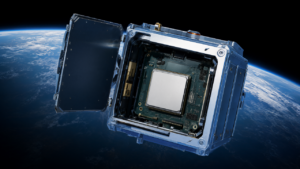
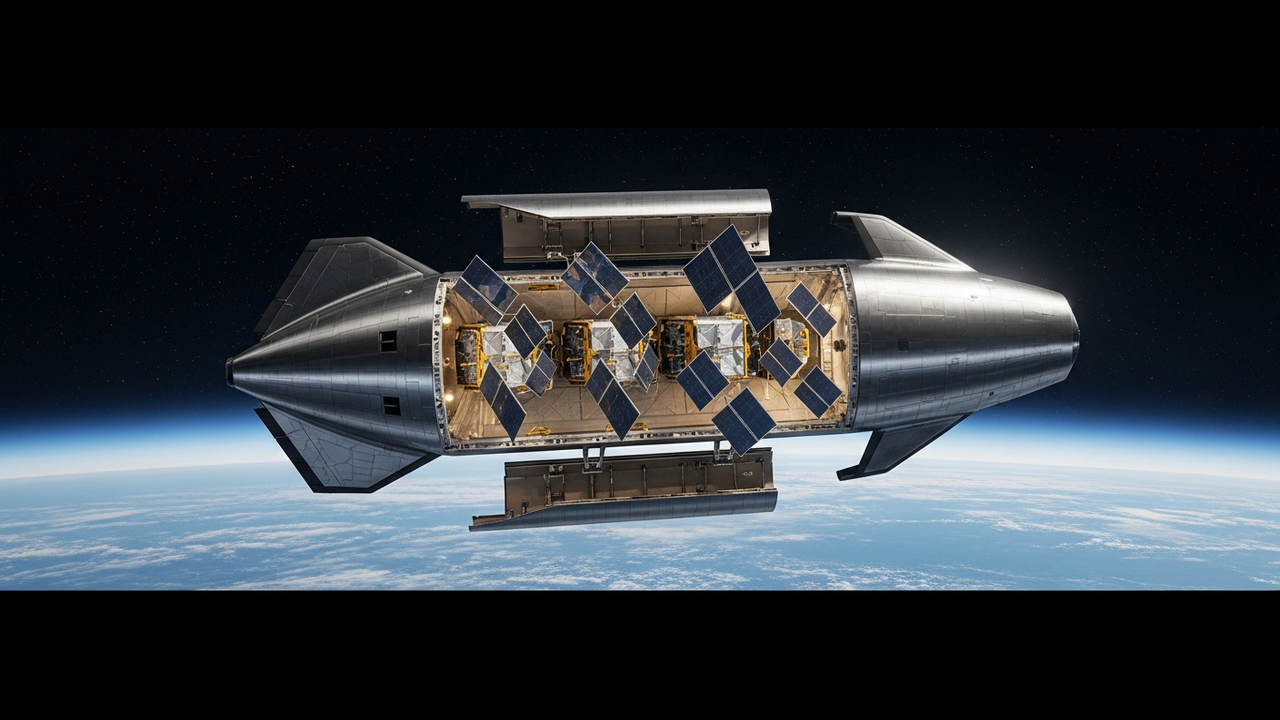
SpaceX’s next-generation Starship completed its 13th test flight on July 24, 2026, achieving a significant milestone by successfully deploying next-generation Starlink internet satellites into orbit for the first time. During this historic flight, six onboard “Starlink V3” satellites managed to capture clear footage of Starship’s upper stage heat shield from orbit, providing impressive visual documentation of its journey.
Technical Details
This Starship test flight demonstrated both the vehicle’s orbital insertion capabilities and its payload deployment system, with the Starlink V3 satellites serving as the primary payload. The ability to image Starship itself from orbit is valuable for autonomous health monitoring and future in-space rendezvous and docking operations. The Starlink V3 satellites represent an upgrade in communication capacity and performance compared to previous versions, aiming to further enhance global high-speed internet services. For its upcoming 14th test flight in August, SpaceX plans to attempt a pioneering vertical recovery method for the Starship upper stage: catching it with mechanical arms on the launch tower. This ambitious technical demonstration is crucial for establishing full Starship reusability and dramatically reducing space transportation costs.
Background & Context
Starship is SpaceX’s ambitious, fully reusable super heavy-lift launch system, designed to enable human colonization of Mars, deploy massive satellite constellations in Earth orbit, and transport crew and cargo to the Moon and Mars. Its development promises to revolutionize space transportation by offering unprecedented low-cost, high-frequency access to space, impacting the entire space economy. Starship’s success is an indispensable element for opening new frontiers in space tourism, in-space manufacturing, and space resource development.
Strategic Significance & Outlook
The successful deployment of Starlink V3 satellites and the planned upper stage catch attempt in the upcoming 14th flight are critical milestones in Starship’s development. Achieving full reusability will fundamentally alter the economics of space travel, making large-scale missions to the Moon and Mars significantly more feasible. SpaceX is aiming to make space more accessible and pave the way for humanity’s future as a multi-planetary species, with global attention keenly focused on the progress of its ongoing test flights.
Get our weekly technology intelligence — free
Receive an infographic that lets you judge at a glance whether each field’s analysis report is worth reading.
Subscribe Free — Weekly Tech Intelligence
By subscribing, you’ll receive Troy-Technical’s weekly technology intelligence newsletter.
- Your email and selected fields are used only to deliver the newsletter.
- We never share your information with third parties.
- You can unsubscribe anytime via the link in each email.
See our Privacy Policy for details.
Takes about a minute · Unsubscribe anytime