Key Findings
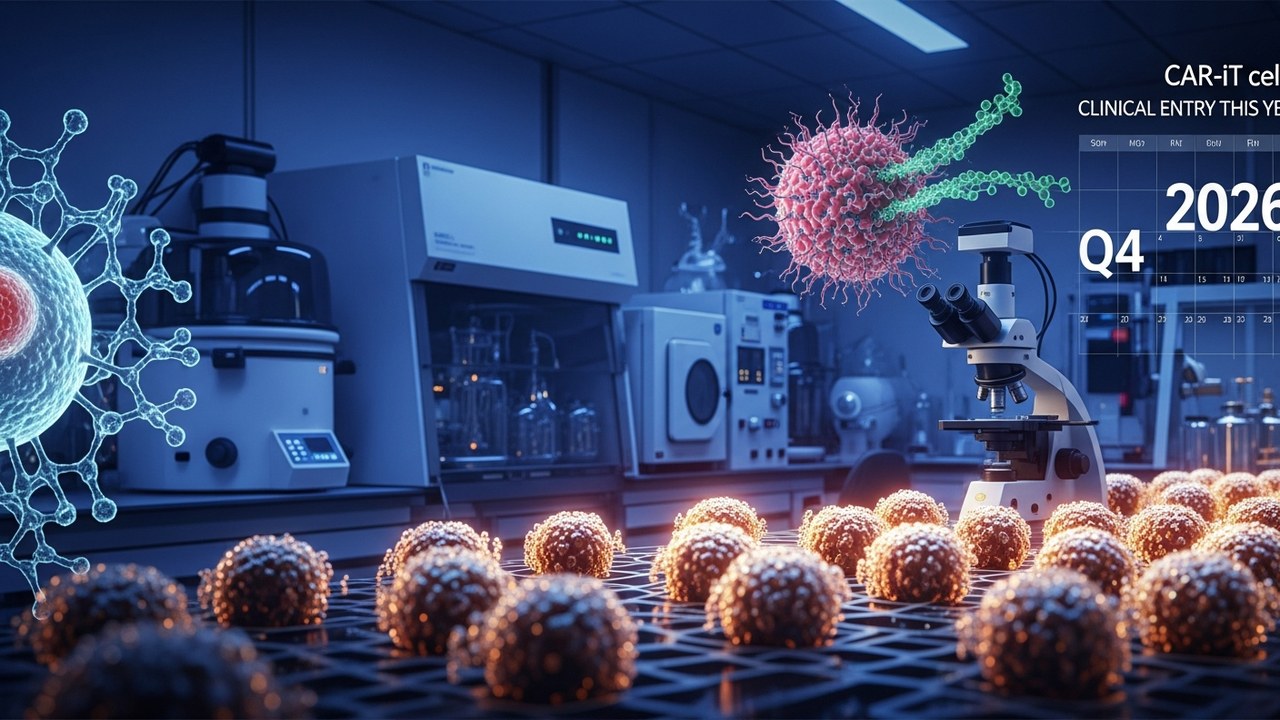
Century Therapeutics provided a significant update on its induced pluripotent stem cell (iPSC)-derived cell therapy pipeline during its second-quarter 2026 financial results announcement. The company successfully completed a pre-Investigational New Drug (pre-IND) meeting with the U.S. Food and Drug Administration (FDA) for CNTY-813, its lead program for Type 1 diabetes, with an aim to submit the IND in the fourth quarter of 2026. Furthermore, CNTY-308, a CD19-targeted CAR-iT cell therapy, is anticipated to enter clinical trials within the year, signaling robust advancement across its innovative platform in various disease areas.
Technical / Clinical Details
CNTY-813 is designed to replace lost insulin-producing capacity in Type 1 diabetes patients by transplanting iPSC-derived pancreatic islet cells. A key feature of this treatment is its allogeneic, or ‘off-the-shelf,’ approach, which eliminates the need for patient-specific cell preparation. The successful completion of the pre-IND meeting with the FDA indicates a clear path forward for clinical trials and suggests positive feedback from regulatory authorities. CNTY-308 is a CAR-iT cell therapy that incorporates a chimeric antigen receptor (CAR) into iPSC-derived T-cells (iT cells). It targets CD19-positive hematologic malignancies, such as non-Hodgkin lymphoma. Being iPSC-derived, this therapy offers the potential for large-scale manufacturing of uniform, standardized cell products, overcoming challenges (complexity, time, cost) associated with traditional autologous CAR T-cell therapies.
Background & Context
Type 1 diabetes is a chronic autoimmune disease characterized by the destruction of insulin-producing pancreatic beta cells, with limited curative options. iPSC-derived islet cell transplantation holds promise as an approach to achieve insulin independence, but managing immune rejection has been a significant hurdle. Century Therapeutics aims to overcome this challenge with its proprietary hypoimmune iPSC platform, striving for long-term engraftment without immunosuppressive drugs. While CAR T-cell therapy has revolutionized blood cancer treatment, manufacturing complexity and cost remain issues. Off-the-shelf CAR-iT cells could address these challenges, offering more rapid and accessible treatment options for a broader patient population.
Strategic Significance & Outlook
The impending IND submission for CNTY-813 and the projected clinical entry of CNTY-308 represent pivotal milestones for Century Therapeutics. CNTY-813, in particular, targets Type 1 diabetes, a disease with a broad patient base, positioning it as one of the first iPSC-derived off-the-shelf cell therapies for this indication, with significant market potential. The success of these clinical programs is critical for establishing the commercial value and diverse applicability of the company’s iPSC platform. As clinical data from these programs emerge, the potential for iPSC-derived cell therapies to establish next-generation standards of care in both regenerative medicine and cancer immunotherapy will become clearer. Century Therapeutics is poised to strengthen its position as a leading innovator in the cell therapy market, bringing new hope to many patients.
Get our weekly technology intelligence — free
Receive an infographic that lets you judge at a glance whether each field’s analysis report is worth reading.
Subscribe Free — Weekly Tech Intelligence
By subscribing, you’ll receive Troy-Technical’s weekly technology intelligence newsletter.
- Your email and selected fields are used only to deliver the newsletter.
- We never share your information with third parties.
- You can unsubscribe anytime via the link in each email.
See our Privacy Policy for details.
Takes about a minute · Unsubscribe anytime