Key Findings
The City of Hope research team has reported remarkable results from a Phase 1 clinical trial of a CD19-targeted CAR T-cell therapy for the treatment of acute lymphoblastic leukemia (ALL). In high-risk ALL patients in their first remission, an impressive 84% achieved 18-month event-free survival (EFS). Furthermore, the therapy demonstrated a favorable low toxicity profile, strongly suggesting its potential to induce long-term remissions. This data sets a new benchmark for the efficacy and safety of CAR T-cell therapy in ALL patients.
Technical / Clinical Details
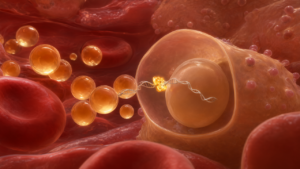
This CAR T-cell therapy involves harvesting a patient’s own T-cells, genetically engineering them to express a chimeric antigen receptor (CAR), and designing them to specifically recognize and attack CD19-positive leukemia cells. A notable aspect of this study is the use of memory-enriched CAR T-cells. Memory cells are crucial for promoting long-term remission due to their ability to persist in the body for extended periods and maintain an effective immune response against cancer recurrence. Although the Phase 1 trial involved a limited number of evaluable patients (11), the high 18-month EFS rate of 84% underscores the potent anti-tumor activity of this treatment. It is also significant that common CAR T-cell therapy side effects, such as cytokine release syndrome (CRS) and neurotoxicity, were manageable and exhibited low toxicity.
Background & Context
Acute lymphoblastic leukemia is one of the most common leukemias in children and young adults, with limited treatment options, particularly for high-risk, relapsed, or refractory patient populations. Conventional chemotherapy and hematopoietic stem cell transplantation often fall short of achieving a cure, driving an urgent need for novel therapies. CD19-targeted CAR T-cell therapies have already received several approvals, delivering high response rates and long-term remissions in relapsed/refractory ALL. The current City of Hope study, by demonstrating efficacy and safety in high-risk patients at an earlier treatment intervention (first remission), holds the potential to significantly alter treatment strategies. The integration of memory cells is also expected to contribute to improving the durability of CAR T-cell therapy, addressing a key challenge.
Strategic Significance & Outlook
This Phase 1 data released by City of Hope suggests that CD19 CAR T-cell therapy could become a new standard of care for high-risk ALL patients in first remission. Further validation of the therapy’s efficacy and safety is anticipated through larger-scale Phase 2 and Phase 3 clinical trials. If long-term survival data and a detailed safety profile are established, regulatory approval processes by agencies like the FDA and PMDA could be accelerated. Widespread adoption of this therapy is expected to offer many ALL patients long-term remission and improved quality of life. This represents a significant step towards a future where personalized cellular immunotherapies play an even more critical role in cancer treatment.
Source: https://sagelyhealth.substack.com/p/new-in-oncology-aug-6-2026
Get our weekly technology intelligence — free
Receive an infographic that lets you judge at a glance whether each field’s analysis report is worth reading.
Subscribe Free — Weekly Tech Intelligence
By subscribing, you’ll receive Troy-Technical’s weekly technology intelligence newsletter.
- Your email and selected fields are used only to deliver the newsletter.
- We never share your information with third parties.
- You can unsubscribe anytime via the link in each email.
See our Privacy Policy for details.
Takes about a minute · Unsubscribe anytime