Key Findings
Induced pluripotent stem cell (iPSC)-based therapies are experiencing a rapid ascent in the field of regenerative medicine, drawing significant attention for their versatility and potential as a standardized, renewable source of cells. This is paramount for their utility as allogeneic (off-the-shelf) treatments and their capacity to offer scalable solutions for a diverse array of diseases. However, this growth trajectory is accompanied by unique challenges inherent in their manufacturing processes.
Technical / Clinical Details
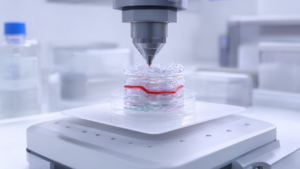
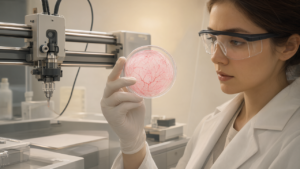
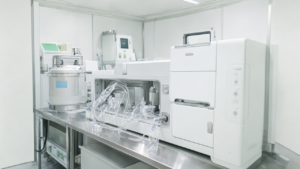
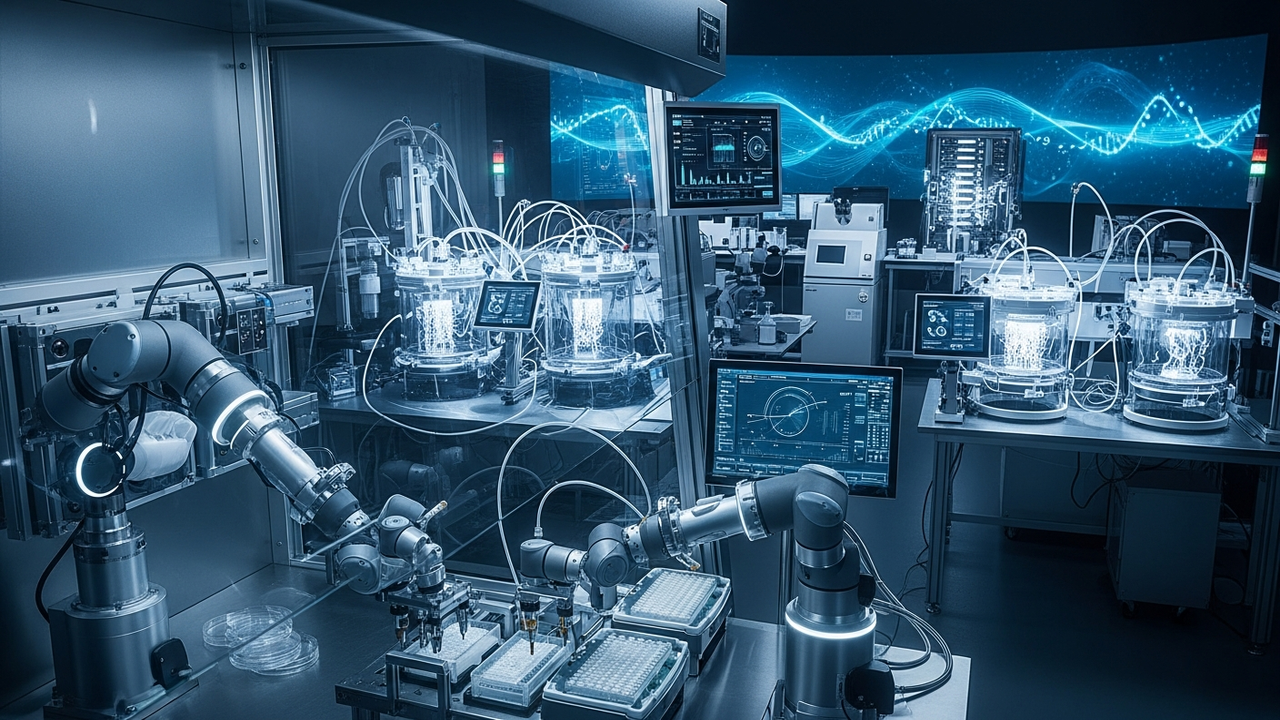
The primary manufacturing challenges for iPSC-derived therapies include optimizing genetic engineering strategies, rigorously adhering to Good Manufacturing Practice (GMP) requirements, and ensuring consistent product quality during large-scale production. Given the high differentiation potential of iPSCs, developing protocols for highly efficient and uniform differentiation into the desired cell types is crucial. Managing genetic stability and tumorigenicity risks also remains a significant consideration. FUJIFILM Cellular Dynamics (FCDI) shares key insights into addressing these manufacturing hurdles. FCDI has successfully standardized iPSC culture and differentiation processes and enhanced batch-to-batch consistency by utilizing closed, automated cell culture systems and advanced analytical technologies such as single-cell RNA sequencing and whole-genome sequencing. These technologies are indispensable for minimizing contamination risks while maximizing manufacturing efficiency.
Background & Context
iPSCs offer substantial advantages, including fewer ethical concerns as they can be generated from adult somatic cells, and reduced risks of immune rejection if derived from the patient’s own cells. Furthermore, their inherent capacity for indefinite self-renewal makes them ideal for developing “off-the-shelf” allogeneic therapies, enabling a consistent supply of high-quality cells. However, to fully capitalize on these benefits, establishing large-scale manufacturing processes that meet stringent GMP standards is essential. The industry as a whole is intensely focused on optimizing manufacturing technologies and quality control for the commercialization of iPSC-derived therapies.
Strategic Significance & Outlook
Technological innovations and expertise provided by companies like FCDI are playing a decisive role in the transition of iPSC-derived therapies from clinical application to commercial viability. The implementation of closed, automated systems and advanced analytical methods contributes to reduced manufacturing costs, increased throughput, and enhanced product reliability, thereby accelerating the broader adoption of iPSC-based treatments. This progress increases the likelihood that innovative therapeutic options for many previously intractable diseases, such as neurodegenerative disorders, cardiovascular diseases, diabetes, and ocular conditions, will become available to a wider patient population. Continued improvements in process robustness and quality control in iPSC manufacturing will remain key to the success of this transformative field.
Source: https://www.contractpharma.com/exclusives/inside-the-rapid-rise-of-ipsc-based-therapies/
Get our weekly technology intelligence — free
Receive an infographic that lets you judge at a glance whether each field’s analysis report is worth reading.
Subscribe Free — Weekly Tech Intelligence
By subscribing, you’ll receive Troy-Technical’s weekly technology intelligence newsletter.
- Your email and selected fields are used only to deliver the newsletter.
- We never share your information with third parties.
- You can unsubscribe anytime via the link in each email.
See our Privacy Policy for details.
Takes about a minute · Unsubscribe anytime