Key Findings
As of 2026, exosome therapeutics are garnering significant attention for their potential as innovative treatments across a spectrum of diseases, largely due to their remarkable ability to traverse the blood-brain barrier (BBB). Clinical development is actively progressing in diverse fields such as oncology, neurodegenerative disorders, and wound healing, demonstrating the capacity of exosomes to deliver therapeutic payloads to previously inaccessible targets.
Technical / Clinical Details
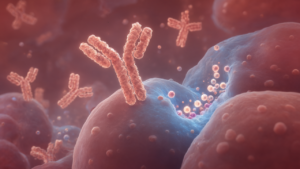
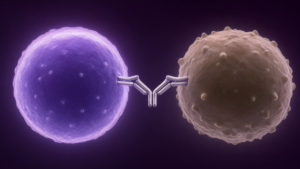
Exosomes are nanoscale extracellular vesicles, naturally secreted by cells, encapsulating a diverse cargo of biomolecules including proteins, lipids, and nucleic acids. These vesicles serve as natural mediators of intercellular communication, offering advantages such as high biocompatibility, low immunogenicity, and inherent targeting capabilities. Critically, their capacity for non-invasive passage across the BBB presents a paradigm shift for central nervous system disorders like Alzheimer’s and Parkinson’s diseases, which have long been hampered by delivery challenges. While no therapeutic exosome products have yet received FDA approval, ongoing clinical trials are exploring their use as drug delivery systems (DDS) for anti-cancer agents and as carriers for disease-modifying RNA or proteins in neurodegenerative contexts.
Background & Context
The BBB has historically represented a formidable obstacle for drug developers, severely limiting the efficacy of many small molecule drugs and biologics targeting brain diseases. Exosomes, as endogenous nanoparticles, offer a natural solution to this challenge, promising efficient and targeted delivery to brain tissues. Beyond neurological applications, exosomes are also being investigated for their role in targeted drug delivery in cancer and as promoters of cellular repair in regenerative medicine, broadening their potential impact across healthcare.
Strategic Significance & Outlook
Despite being in an early stage of development, the unique biological characteristics and high DDS potential of exosome therapeutics are rapidly escalating their prominence in drug discovery. As clinical trials mature and more safety and efficacy data become available, FDA approvals for exosome-based products are a plausible near-future reality. Key challenges for commercialization include establishing scalable and consistent manufacturing processes and enhancing exosome engineering to achieve highly specific tissue and cellular targeting, which will be crucial for unlocking their full therapeutic potential.
Source: #
Get our weekly technology intelligence — free
Receive an infographic that lets you judge at a glance whether each field’s analysis report is worth reading.
Subscribe Free — Weekly Tech Intelligence
By subscribing, you’ll receive Troy-Technical’s weekly technology intelligence newsletter.
- Your email and selected fields are used only to deliver the newsletter.
- We never share your information with third parties.
- You can unsubscribe anytime via the link in each email.
See our Privacy Policy for details.
Takes about a minute · Unsubscribe anytime