Key Findings
The CEMDI-PAIMS Symposium, a collaborative initiative between Canada and Japan, recently concluded, highlighting the critical role of computational materials science, artificial intelligence (AI), data science, experimental insights, and international cooperation in accelerating new materials discovery. The symposium underscored how these interdisciplinary approaches are vital for designing next-generation functional materials, particularly for applications in energy and environmental sectors.
Technical / Clinical Details
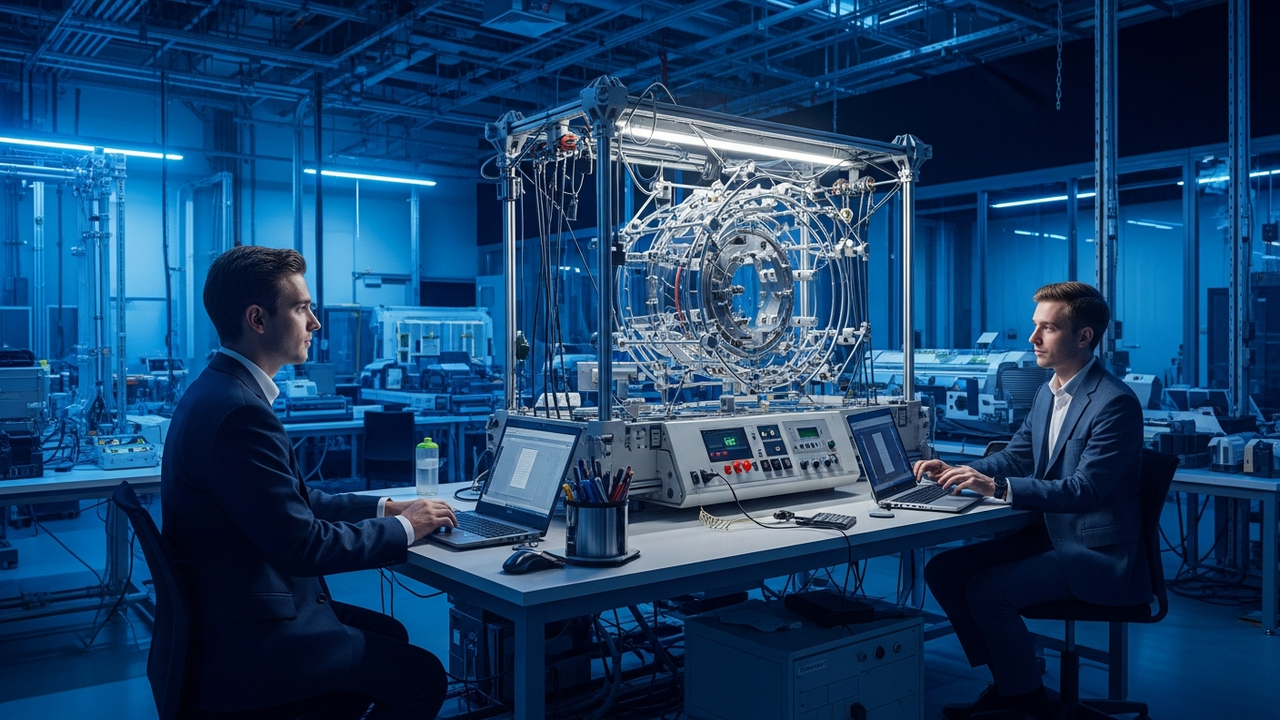
Under the central theme of “Advancing Data, Material Design, and Discovery,” participants engaged in discussions regarding the transformative potential of AI and machine learning in materials science research. Specific presentations covered computational design methodologies for novel functional materials used in high-performance batteries, catalysts, and smart sensors. Algorithms for data-driven materials exploration and techniques for analyzing large-scale experimental datasets were also key topics. The symposium demonstrated how computational materials science methods, including quantum chemical calculations, molecular dynamics simulations, and first-principles calculations, integrate with experimental work to enable efficient materials development. These techniques are essential for predicting material physical and chemical properties at the atomic level, significantly reducing experimental costs and development timelines.
Background & Context
The realization of global challenges, particularly in clean energy, sustainable environmental technologies, and high-performance information and communication technologies, critically depends on the development of innovative functional materials. Historically, materials development has been a laborious, trial-and-error-based process, consuming vast amounts of time and resources. The integration of computational materials science and AI is breaking these bottlenecks, allowing for the efficient exploration of vast materials design spaces. Collaboration between Canadian and Japanese research institutions in this field is highly strategic, combining their respective expertise and resources to establish a competitive advantage in global R&D.
Strategic Significance & Outlook
International collaborations like the CEMDI-PAIMS Symposium are instrumental in pushing the frontiers of materials science and laying the groundwork for technological innovations aimed at a sustainable future. The exchange of knowledge and networking among participants are expected to spark new research projects and collaborative development opportunities, while also contributing to the training of the next generation of materials scientists and engineers. Moving forward, AI and computational science, through seamless integration with experimental efforts, are anticipated to further automate the materials discovery process and enhance predictive accuracy. This trajectory will facilitate the quicker introduction of high-performance, environmentally friendly materials into society, addressing critical global needs.
Source: https://www.eurekalert.org/news-releases/1140001
Get our weekly technology intelligence — free
Receive an infographic that lets you judge at a glance whether each field’s analysis report is worth reading.
Subscribe Free — Weekly Tech Intelligence
By subscribing, you’ll receive Troy-Technical’s weekly technology intelligence newsletter.
- Your email and selected fields are used only to deliver the newsletter.
- We never share your information with third parties.
- You can unsubscribe anytime via the link in each email.
See our Privacy Policy for details.
Takes about a minute · Unsubscribe anytime